Texas Built Construction Lawsuit: Critical Builder Defects
Understanding a Texas Built Construction Lawsuit
Buying a new home is one of the biggest investments most people make. Unfortunately, some homeowners discover serious problems only after moving in. Cracked foundations, leaking roofs, faulty plumbing, and poor workmanship can turn a dream home into a costly burden. When builders fail to meet professional standards or contractual obligations, a Texas Built Construction Lawsuit may become the most effective way to recover damages and hold the responsible parties accountable.
Texas has experienced rapid residential growth over the past decade, increasing demand for new housing. While many builders deliver quality homes, rushed construction schedules, labor shortages, and material issues have contributed to a rise in construction-related disputes. Understanding your legal rights early can help you avoid costly mistakes and improve your chances of resolving the problem successfully.
This guide explains how a Texas Built Construction Lawsuit works, the warning signs of construction defects, who may be responsible, and what homeowners should do before taking legal action.
What Is a Texas Built Construction Lawsuit?
A Texas Built Construction Lawsuit is a legal claim brought by a homeowner or property owner against a builder, contractor, developer, or another construction professional whose work caused financial loss or property damage. These lawsuits usually involve construction defects, broken contractual promises, warranty violations, or negligent workmanship.
Unlike ordinary home maintenance issues, construction defects result from mistakes made during the design, planning, or building process. These defects may not appear immediately and sometimes remain hidden for months or even years.
A lawsuit does not always mean a lengthy court battle. Many construction disputes are resolved through negotiation, mediation, or settlement before reaching trial. However, understanding the legal process prepares homeowners to protect their interests if negotiations fail.
Who Can File a Claim?
Several parties may have the legal right to pursue a Texas Built Construction Lawsuit, depending on the circumstances of the case. These commonly include:
Homeowners who purchased a newly built property.
Property owners who hired a contractor for major construction work.
Homeowners’ associations dealing with defects affecting common areas.
Commercial property owners facing significant construction failures.
The ability to file a claim often depends on contracts, warranties, state laws, and the specific facts surrounding the construction project.
Common Construction Problems That May Lead to Legal Action
Not every construction issue justifies filing a lawsuit. However, major defects that affect safety, structural integrity, or property value often require legal attention.
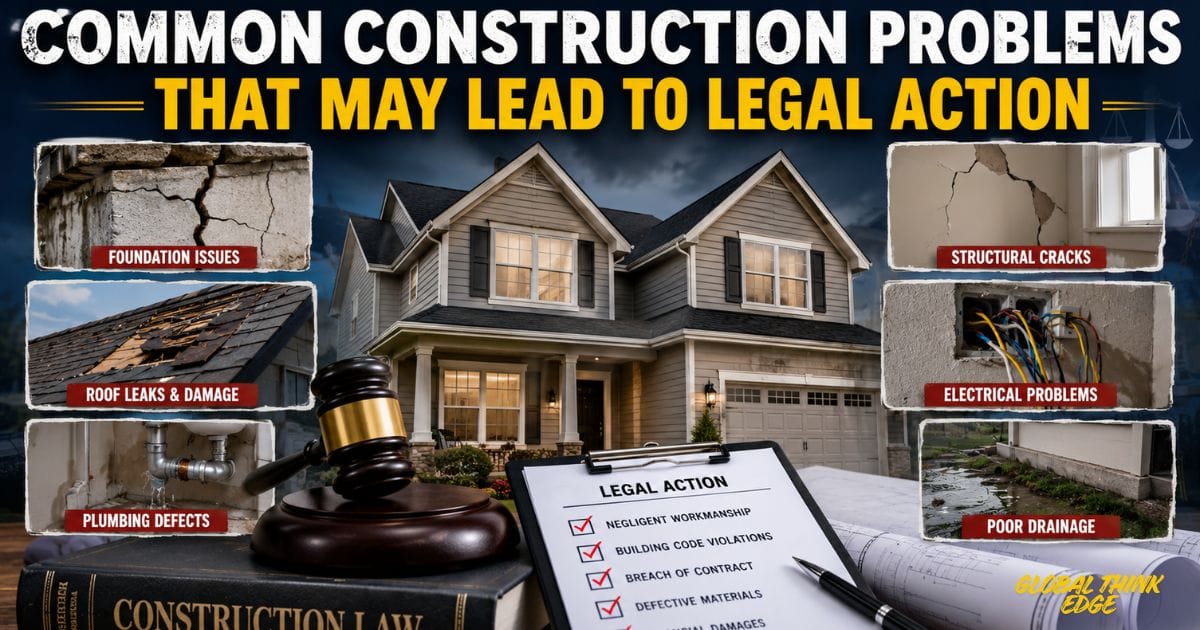
Foundation and Structural Damage
Texas soil expands and contracts with changing moisture levels, placing significant stress on foundations. If builders fail to prepare the site properly or ignore engineering recommendations, homeowners may notice foundation movement, uneven floors, cracked walls, or doors and windows that no longer close correctly.
Because foundation repairs can be extremely expensive, structural problems are among the most common reasons homeowners consider a Texas Built Construction lawsuit.
Roof Leaks and Water Intrusion
A properly installed roofing system should protect a home for many years. Poor installation, flashing failures, or low-quality materials can allow water to enter the home.
Water intrusion may lead to:
Mold growth
Damaged insulation
Ceiling stains
Wood rot
Interior wall damage
Prompt documentation of water damage is essential because delays may make it more difficult to determine whether the builder is responsible.
Plumbing and Electrical Defects
Hidden plumbing leaks can cause extensive damage before becoming visible. Likewise, improperly installed electrical systems create fire hazards and safety concerns.
Examples include:
Frequent circuit breaker failures
Low water pressure
Pipe leaks inside walls
Improper drainage
Faulty wiring
Unsafe electrical panels
These issues often require inspections from licensed professionals before legal claims are pursued.
Exterior Drainage Problems
Improper grading around a property allows water to collect near the home’s foundation. Over time, standing water may contribute to soil movement, foundation damage, landscaping problems, and erosion.
Builders are generally expected to follow proper drainage practices during construction to reduce these risks.
Why Construction Defect Claims Are Becoming More Common in Texas
The growing number of Texas Built Construction lawsuit cases reflects several industry challenges rather than a single cause.
Rapid Residential Growth
Texas continues to attract new residents and businesses. As housing demand increases, builders often complete projects on tight schedules. Faster construction sometimes leaves less time for quality inspections and detailed workmanship.
Skilled Labor Shortages
Construction companies across the state have experienced shortages of experienced workers. Inexperienced crews may unintentionally make installation errors that remain hidden until homeowners begin living in the property.
Material Supply Challenges
Supply chain disruptions have occasionally forced builders to substitute materials or work with delayed deliveries. Although many substitutions meet required standards, poor-quality materials can contribute to premature failures.
Texas Climate and Soil Conditions
Texas presents unique environmental challenges. Heavy rainfall, prolonged droughts, high temperatures, and expansive clay soils place continuous stress on residential structures.
Homes built without considering these conditions are more likely to experience foundation movement, drainage failures, and structural damage over time. These regional factors make proper engineering and quality construction especially important.
Who May Be Legally Responsible in a Texas Built Construction Lawsuit?
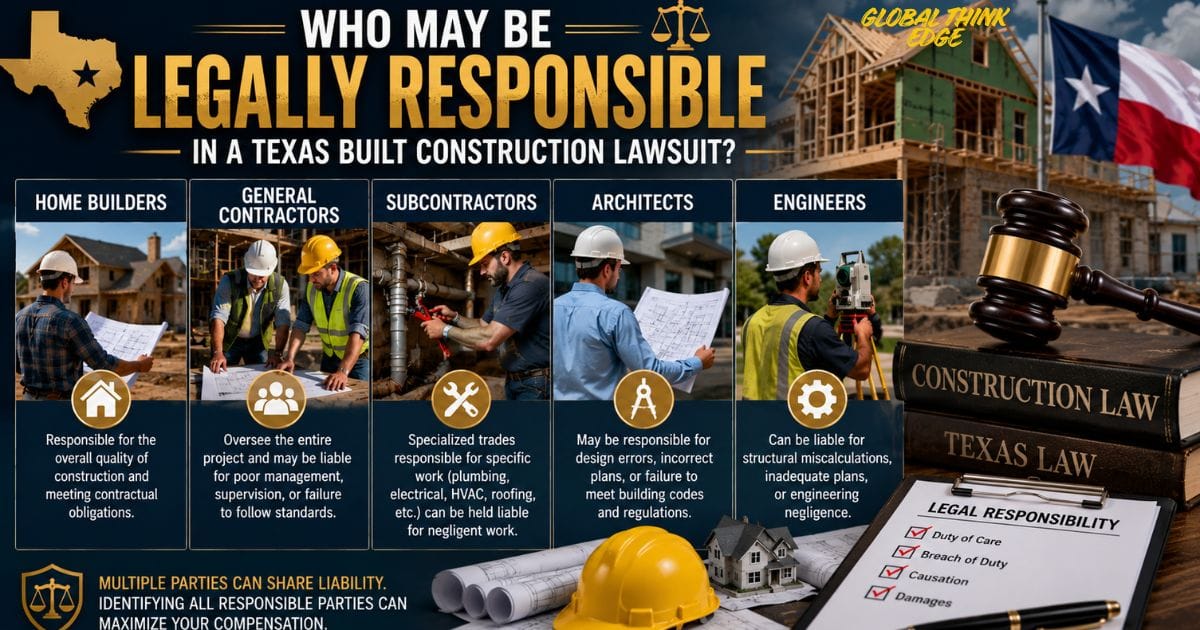
Determining liability is one of the most important parts of a Texas construction law lawsuit. In many cases, more than one party may share responsibility for the defects. Identifying every liable party can improve your chances of recovering the full cost of repairs and related losses.
Home Builders
The builder is often the first party homeowners look to when serious construction defects appear. Builders are generally expected to deliver a home that meets contractual obligations, follows applicable building standards, and is constructed with reasonable skill and care.
If shortcuts, poor workmanship, or failure to supervise subcontractors caused the defects, the builder may be held accountable.
General Contractors
General contractors oversee the entire construction process, coordinate workers, and ensure the project progresses according to plan. If they fail to manage the project properly or ignore obvious construction problems, they may also face legal liability.
Subcontractors
Most residential construction projects involve specialized subcontractors responsible for plumbing, roofing, electrical systems, HVAC installation, flooring, and framing.
If a defect results from poor installation or negligent work performed by one of these specialists, they may be included in a Texas Built Construction Lawsuit.
Architects and Engineers
Some construction problems begin long before the first brick is laid. Design errors, inaccurate structural calculations, or engineering mistakes can create defects that threaten the safety and stability of a home.
When professional negligence contributes to the damage, architects or engineers may also bear legal responsibility.
Understanding Your Legal Rights as a Homeowner
Many homeowners mistakenly believe they have no options once construction problems appear. In reality, Texas law provides several legal avenues depending on the circumstances of the case.
Failure to Meet Contract Obligations
Construction agreements define the responsibilities of both the homeowner and the builder. If the completed work differs significantly from the agreed specifications or quality standards, it may constitute a breach of contract.
Examples include:
Using lower-quality materials than promised
Failing to complete agreed work
Missing important construction specifications
Delivering a home with significant defects
Warranty Protection
Many newly constructed homes include warranties that cover specific defects for a defined period.
These warranties may be:
Builder warranties
Manufacturer warranties
Structural warranties
Limited workmanship warranties
Understanding what your warranty covers is an essential step before pursuing a Texas Built Construction lawsuit.
Negligent Construction Practices
Builders have a professional duty to perform construction work with reasonable care. Ignoring accepted building methods, safety standards, or engineering requirements may constitute negligence if those failures cause property damage.
Misrepresentation or Fraud
Some disputes involve inaccurate statements made during the sales process. If a builder knowingly conceals defects or provides false information about the quality of construction, additional legal claims may be available depending on the evidence.
Evidence That Can Strengthen Your Case
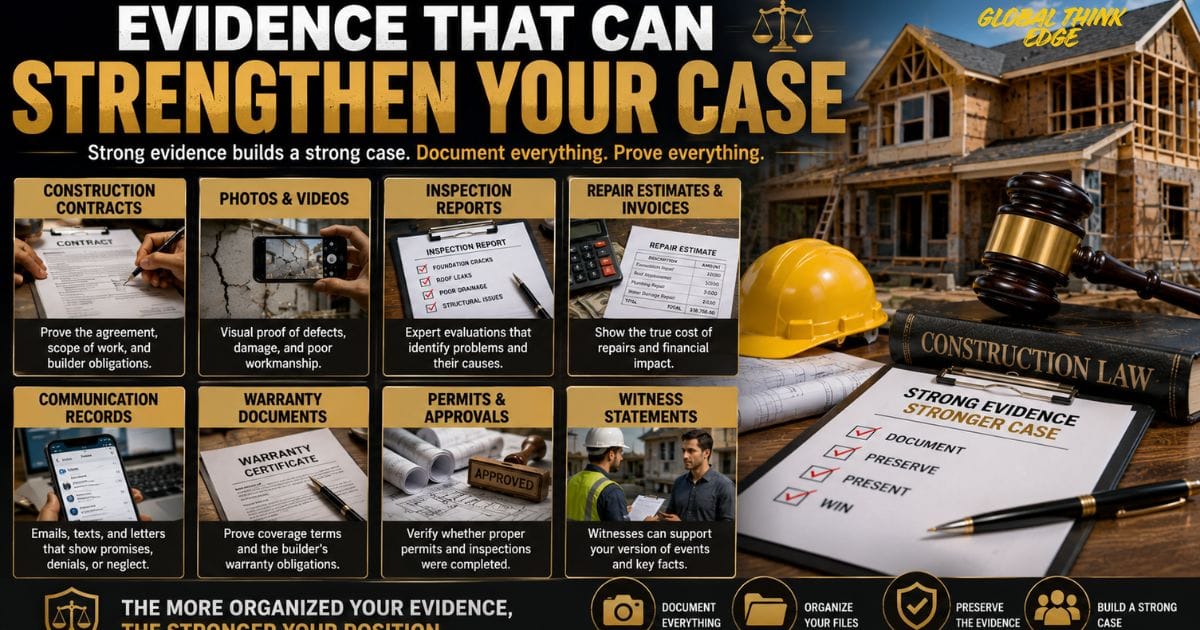
Strong evidence often makes the difference between a successful claim and a difficult legal dispute. Homeowners should begin collecting documentation as soon as defects become visible.
Keep Every Construction Document
Important records include:
Purchase agreements
Construction contracts
Warranty documents
Change orders
Builder correspondence
Closing paperwork
These documents establish what the builder promised and what was ultimately delivered.
Photograph Every Defect
Take clear photographs and videos as soon as problems appear. Continue documenting changes over time if the damage becomes worse.
Helpful images include:
Foundation cracks
Roof leaks
Water damage
Uneven flooring
Exterior drainage issues
Damaged walls and ceilings
Organised visual evidence often helps experts explain how the defects developed.
Obtain Independent Inspections
Professional inspectors or structural engineers can identify defects that homeowners may overlook.
Independent reports frequently explain:
The cause of the damage
Whether construction standards were followed
Estimated repair costs
Potential future risks
Expert opinions often become valuable evidence during negotiations or litigation.
Maintain a Repair Log
Keep a written record showing:
| Evidence | Why It Matters |
| Inspection reports | Identify the cause of defects |
| Photos and videos | Show the condition of the property |
| Repair estimates | Demonstrate financial losses |
| Emails and text messages | Document builder communication |
| Receipts | Prove repair expenses |
| Maintenance records | Show responsible homeownership |
A well-organised file allows your attorney to evaluate the case more efficiently.
Steps to Take Before Filing a Texas Built Construction Lawsuit
Many homeowners believe they should immediately file a lawsuit after discovering defects. In reality, several important steps should come first.
Document the Problem Immediately
Avoid relying solely on memory. Record the date each defect appeared, describe the damage, and preserve all supporting evidence.
The earlier you begin documenting problems, the easier it becomes to establish the timeline of events.
Notify the Builder
Many disputes can be resolved without formal litigation if the builder is given an opportunity to inspect the property and discuss possible repairs.
Communication should remain professional and preferably in writing so that every conversation is documented.
Avoid Making Major Repairs Too Soon
Emergency repairs may be necessary to prevent additional damage, but extensive reconstruction before inspections can remove valuable evidence.
Whenever possible, consult an experienced construction professional or attorney before making permanent repairs.
Seek Professional Legal Advice
Construction defect cases often involve technical building standards, engineering reports, warranties, insurance policies, and contractual obligations.
An attorney experienced in construction disputes can evaluate whether pursuing a Texas Built Construction Lawsuit is the most practical solution and explain the options available based on your specific circumstances.
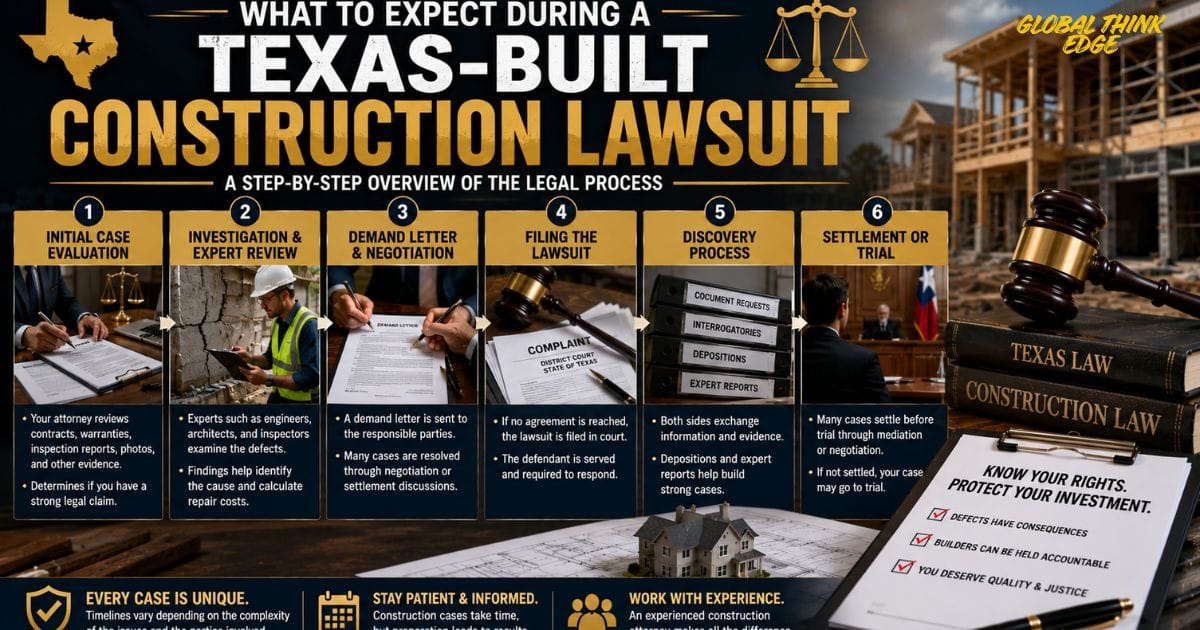
What to Expect During a Texas Built Construction Lawsuit
Once negotiations fail or the builder refuses to resolve the issue, filing a Texas Built Construction Lawsuit may become necessary. Although every case is different, most follow a similar legal process.
Initial Case Evaluation
An attorney reviews your contracts, warranties, inspection reports, photographs, repair estimates, and other evidence to determine whether you have a strong legal claim.
Investigation and Expert Review
Construction defect cases often require opinions from engineers, architects, or licensed inspectors. Their findings help identify the cause of the defect and estimate the cost of proper repairs.
Settlement Negotiations
Many Texas Built Construction Lawsuit claims are resolved through settlement before reaching trial. Negotiations can save both parties time and legal expenses while providing compensation more quickly.
Court Proceedings
If no agreement is reached, the case may proceed to court. Both sides present evidence, question witnesses, and allow the judge or jury to determine liability and damages.
Although trials usually take longer, they may be necessary when significant financial losses or complex construction defects are involved.
Filing Deadlines Matter
Construction-related claims are subject to legal deadlines. Waiting too long can limit or completely eliminate your right to recover compensation.
The applicable deadline depends on several factors, including:
The type of legal claim.
When the defect was discovered.
When construction was completed.
The terms of your contract or warranty.
Because these deadlines vary, homeowners should seek legal advice as soon as major defects are identified rather than assuming they have plenty of time.
What Compensation May Be Available?
The value of a Texas Built Construction Lawsuit depends on the severity of the defects, the cost of repairs, and the financial impact on the homeowner.
Possible compensation may include:
Structural repair costs
Foundation stabilization expenses
Roof replacement or repair
Plumbing and electrical repairs
Water and mold remediation
Property value reduction
Temporary housing expenses during repairs
Other recoverable losses allowed under applicable law
Every claim is unique, so compensation varies according to the available evidence and the facts of the case.
Common Mistakes Homeowners Should Avoid
Even a strong claim can become more difficult if important mistakes are made early.
| Mistake | Potential Impact |
| Waiting months before reporting defects | May weaken evidence and delay repairs |
| Throwing away damaged materials | Removes valuable physical evidence |
| Failing to keep written records | Makes proving the claim more difficult |
| Accepting verbal promises only | Creates disputes over what was agreed |
| Hiring unqualified repair contractors | May complicate future inspections |
Avoiding these mistakes helps preserve evidence and strengthens your position throughout the legal process.
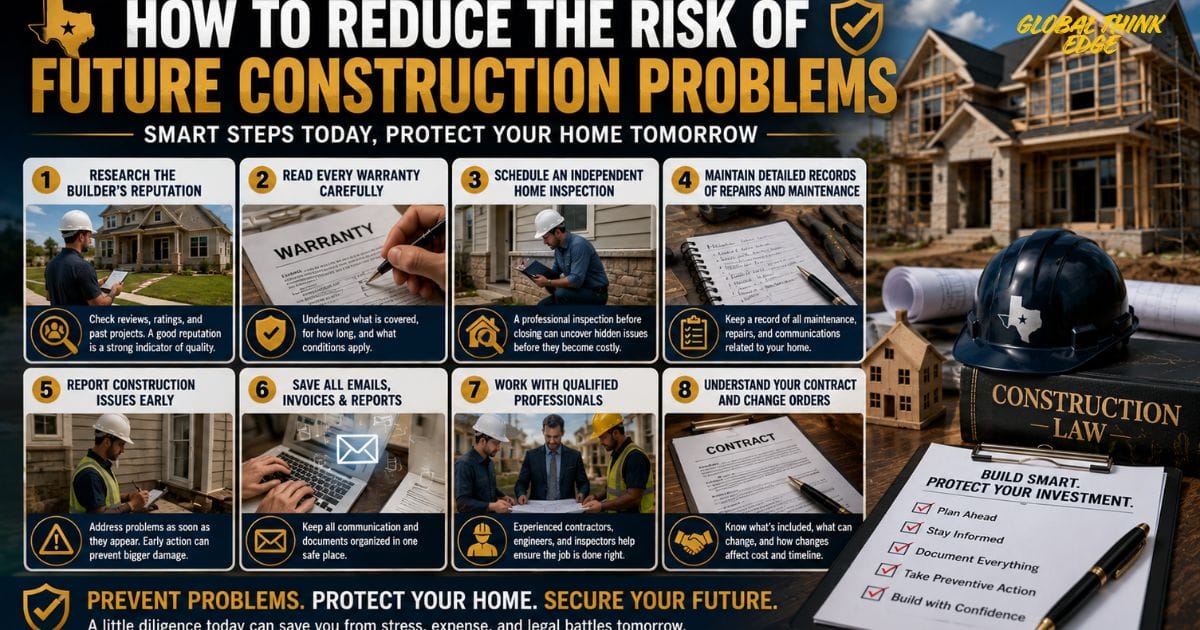
How to Reduce the Risk of Future Construction Problems
While no construction project is completely risk-free, homeowners can take several steps to reduce the likelihood of future disputes.
Research the builder’s reputation before signing a contract.
Read every warranty carefully and keep copies.
Schedule an independent home inspection before closing.
Maintain detailed records of repairs and maintenance.
Report construction issues as soon as they are discovered.
Save all emails, invoices, and inspection reports in one place.
Taking these precautions can help identify potential problems early and make resolving them much easier.
Key Takeaways
A Texas built construction lawsuit helps homeowners seek compensation for serious construction defects and builder negligence.
Foundation issues, roofing failures, plumbing defects, and poor drainage are among the most common causes of legal disputes.
Strong evidence including contracts, inspection reports, photographs, and repair estimates can significantly strengthen your claim.
Acting quickly is important because legal deadlines may affect your ability to recover damages.
Many disputes are settled before trial, making early documentation and professional legal advice especially valuable.
Conclusion
A home should provide safety, comfort, and long-term value, not unexpected repair bills caused by poor construction. When builders fail to meet professional standards or contractual obligations, homeowners have legal options to protect their investment.
A Texas built construction lawsuit is not simply about recovering repair costs; it is also about ensuring accountability and preventing similar issues from affecting other homeowners. By documenting defects early, preserving evidence, understanding your legal rights, and seeking experienced legal guidance, you can make informed decisions and improve your chances of reaching a fair resolution.
Whether your concerns involve foundation movement, water intrusion, structural defects, or faulty workmanship, taking prompt action is often the most effective way to protect both your property and your financial future.
Frequently Asked Questions
Can I file a Texas Built Construction Lawsuit years after buying my home?
Possibly. Your legal options depend on the facts of your case, applicable filing deadlines, warranty terms, and when the defect was discovered. Speaking with a qualified attorney promptly is the best way to understand your rights.
Do I need an independent inspection?
Yes. An inspection by a licensed professional can identify hidden defects, explain their cause, and provide evidence that supports your claim.
Can construction defects lower my home’s value?
Absolutely. Serious structural issues, foundation movement, water damage, and poor workmanship can significantly reduce a property’s market value and make it harder to sell.
Will every construction dispute go to court?
No. Many disputes are resolved through negotiation, mediation, or settlement before a trial becomes necessary.
What should I do first after discovering a defect?
Document the problem with photographs, keep all related paperwork, avoid major repairs unless necessary, and seek professional legal guidance before taking further action.
