BitClassic: What Happened to BitClassic Coin (B2C)?
What Is BitClassic?
BitClassic is a small cryptocurrency project associated with the ticker B2C. Historical sources describe it as a Scrypt-based cryptocurrency using a hybrid proof-of-work and proof-of-stake model. CoinDesk lists its launch date as April 20, 2018, while other crypto references describe it as an experimental Bitcoin-related project.
The important point for anyone searching for BitClassic coin today is its current status. Available market and project records indicate that B2C is no longer an actively supported cryptocurrency. CoinCodex currently marks BitClassic as “Not Trading,” while Blockspot describes the project as discontinued.
This makes BitClassic more relevant as a historical cryptocurrency project than as an active digital asset.
BitClassic Coin at a Glance
| Feature | BitClassic (B2C) |
| Cryptocurrency | BitClassic |
| Ticker | B2C |
| Launch | 2018 |
| Consensus | PoW/PoS |
| Hashing | Scrypt |
| Maximum supply | 21 million B2C |
| Reported circulating supply | About 11.5 million |
| Current trading status | Not trading |
| Project status | Discontinued |
| Main concern | Extremely limited liquidity and development |
Blockspot reports a 21 million B2C maximum supply and an estimated 11.5 million circulating supply, with issuance stopping before the maximum was reached.
How Did BitClassic Start?
BitClassic emerged during the period when numerous Bitcoin-related cryptocurrencies and alternative blockchain projects were launching. Its technical design used Scrypt and combined proof-of-work with proof-of-stake, giving it a different structure from Bitcoin’s original mining model.
The project promoted features such as low transaction costs, faster confirmations, and participation through mining or staking. Its stated maximum supply was 21 million B2C, matching Bitcoin’s headline supply limit.
However, launching a cryptocurrency is only the first step. Long-term value depends on continued development, functioning infrastructure, users, liquidity, and exchange support.
BitClassic did not maintain that ecosystem.
BitClassic and the Bitcoin Connection
BitClassic is sometimes described online as a Bitcoin fork, but current references do not all describe its technical origin in exactly the same way.
CoinDesk identifies BitClassic as a PoW/PoS Scrypt cryptocurrency, while Blockspot describes it as an independent blockchain rather than simply treating it as another major Bitcoin network.
For that reason, it is better to describe BitClassic as a Bitcoin-inspired or Bitcoin-related cryptocurrency project rather than implying that it functions like Bitcoin today.
What Happened to BitClassic?
BitClassic appears to have lost active development and community support after its initial launch period.
Blockspot reports that public development and community activity stopped in 2018. It also reports that the project’s GitHub activity ended in April 2018 and that its associated Twitter account became inactive later that year.
That history explains why current BitClassic information is difficult to verify.
An old cryptocurrency can remain visible in search results even after its development ends. Listing pages, archived references, old wallets, and historical discussions may continue to exist even when the underlying market has effectively disappeared.
BitClassic fits that pattern.
Is BitClassic Coin Still Trading?
No reliable active market is currently shown for BitClassic.
CoinCodex currently labels B2C as “Not Trading,” while CoinCarp provides the historical asset page but does not show an active market with usable current market data.
Blockspot likewise reports that no active exchange tracks B2C and that meaningful liquidity is unavailable.
This distinction matters because an old token page should not automatically be interpreted as evidence that the cryptocurrency can still be bought or sold normally.
Why Liquidity Matters
Liquidity determines how easily an asset can be exchanged without significantly affecting its price.
For a cryptocurrency with little or no liquidity, a displayed historical price may have little practical meaning. A holder could theoretically possess coins but still have no reliable market where another participant is willing to buy them.
That creates a major difference between owning a token and being able to sell it.
What Happened to the BitClassic Website?
The original BitClassic web presence is another reason users should verify information carefully.
Current search results for bitclassic.org show a general content website covering cryptocurrency, blockchain, NFTs, trading, and other subjects rather than a clearly maintained original BitClassic cryptocurrency project.
The current website should therefore not automatically be treated as evidence that the original B2C development team is active.
Blockspot also reports that the original project infrastructure, including its explorer, is no longer functioning normally.
When researching an abandoned cryptocurrency, old domains can change ownership. A website using the same domain name does not necessarily represent the original developers.
Is BitClassic a Scam?
There is not enough evidence to describe BitClassic simply as a confirmed scam.
A more accurate description is that BitClassic appears to be a discontinued or abandoned cryptocurrency with extremely high practical risk. Current sources point to inactive development, weak infrastructure, absent or negligible liquidity, and a lack of active exchange support.
That distinction is important.
An abandoned cryptocurrency is not automatically proven to have been created as a fraudulent scheme. However, the absence of development and liquidity can still make an old coin extremely difficult and risky to use.
Tapbit’s 2026 review similarly describes B2C as appearing abandoned rather than presenting evidence that conclusively establishes an original scam.
BitClassic Coin Supply and Token Data
BitClassic’s reported maximum supply is 21 million B2C. Blockspot reports that approximately 11.5 million B2C entered circulation before network activity stopped.
The difference between maximum and circulating supply is significant.
A maximum supply represents the theoretical number of coins that could exist under the project’s stated monetary rules. It does not mean that all of those coins were actually created.
Because BitClassic’s activity stopped before reaching its stated maximum, its reported circulating supply remained considerably lower.
CoinCarp also lists a 21 million B2C maximum and total supply, although it does not provide meaningful current market capitalization or volume data.
BitClassic vs Bitcoin
| Category | BitClassic (B2C) | Bitcoin (BTC) |
| Launch era | 2018 | 2009 |
| Current status | Discontinued | Active |
| Consensus | PoW/PoS design | Proof of Work |
| Hashing | Scrypt | SHA-256 |
| Maximum supply | 21 million B2C | 21 million BTC |
| Active market | No reliable active market shown | Extensive global markets |
| Development | No clear active development | Ongoing development |
| Liquidity | Extremely limited | Broad market liquidity |
The comparison shows why a similar supply limit does not make two cryptocurrencies equivalent. Network activity, developer support, infrastructure, adoption, and liquidity are equally important when evaluating a digital asset.
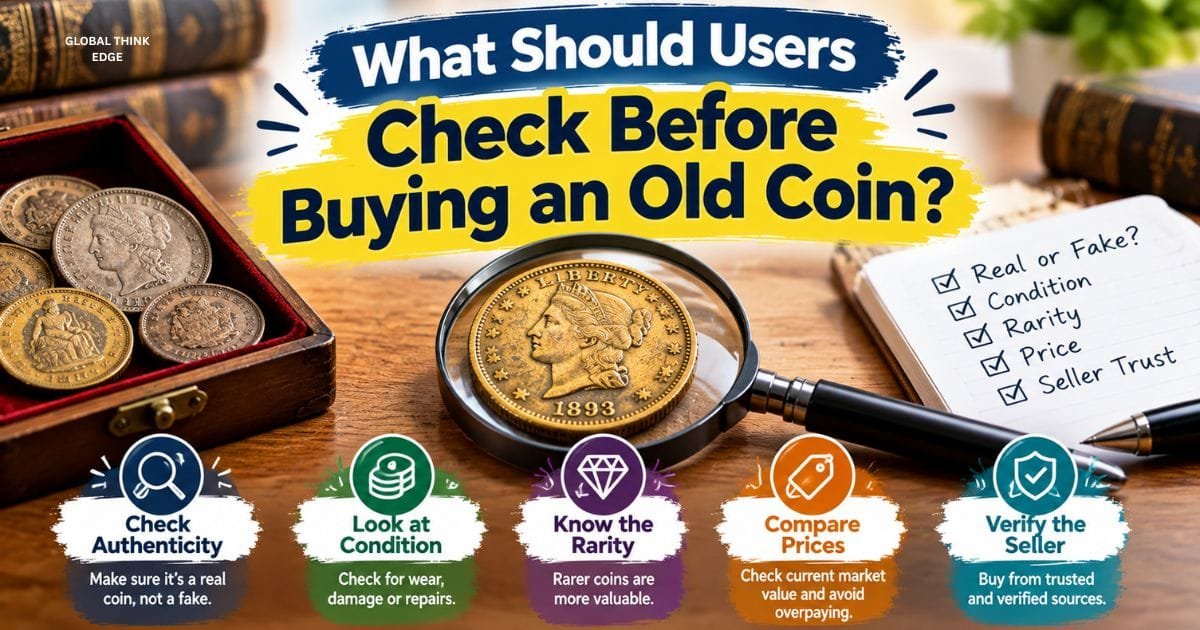
What Should Users Check Before Buying an Old Coin?
Users researching BitClassic or another inactive cryptocurrency should verify several things before sending money or connecting a wallet.
First, check active exchange support. A historical listing does not prove that trading currently works.
Second, verify the official development repository. Look for recent commits, releases, security updates, and active contributors.
Third, verify the blockchain explorer. An inaccessible or outdated explorer can indicate that the network is no longer maintained.
Fourth, check liquidity rather than only price. A token can have a quoted price while having virtually no practical market.
Finally, never enter an active wallet seed phrase or private key into an unverified website. Historical Bitcoin-fork projects have generated security concerns around unofficial wallets and claim tools. Farside’s historical coverage of Bitcoin fork tokens specifically warned users about exposing Bitcoin private keys when interacting with fork-coin wallets.
Final Verdict
BitClassic (B2C) is best understood as a historical cryptocurrency project that is no longer supported by a meaningful active market.
The available records point to development ending around 2018, inactive infrastructure, and no reliable current trading market. CoinCodex currently marks B2C as “Not Trading,” while Blockspot lists the project as discontinued.
Its reported 21 million maximum supply and approximately 11.5 million circulating coins help explain its historical tokenomics, but those figures do not indicate current value or liquidity.
For anyone researching BitClassic coin, the key fact is simple: historical existence does not equal current usability or tradability. Current exchange support, working infrastructure, verifiable development, and real liquidity should always be checked before treating an old cryptocurrency as an active asset.
Frequently Asked Questions
What is BitClassic?
BitClassic is a cryptocurrency project known by the ticker B2C. It used a Scrypt-based hybrid PoW/PoS design and launched around 2018.
Is BitClassic coin still active?
Available project and market records indicate that BitClassic is discontinued and no longer supported by a meaningful active market.
What is the BitClassic ticker?
The ticker associated with BitClassic is B2C.
Can you buy BitClassic today?
Current market references do not show a reliable active market for B2C. CoinCodex currently lists it as “Not Trading.”
What is the maximum BitClassic supply?
The reported maximum supply is 21 million B2C.
Is BitClassic the same as Bitcoin Classic?
No. BitClassic (B2C) should not be confused with Bitcoin Classic, a separate Bitcoin-related software project with its own GitHub repository and history.
