What Is the Easiest Instrument to Learn? Top 10 Favorites
Learning Your First Musical Instrument Doesn’t Have to Be Difficult
If you’re wondering what is the easiest instrument to learn, you’re not alone. It’s one of the first questions most beginners ask before starting their musical journey. The right instrument can make learning fun, build confidence quickly, and keep you motivated from day one.
The truth is that there isn’t one perfect instrument for everyone. The easiest choice depends on your age, musical interests, budget, and how much time you can dedicate to practice. Some instruments let you play simple songs within days, while others require more patience and technique.
In this article, you’ll discover what is the easiest instrument to learn, compare the best beginner-friendly options, learn how to choose the right instrument for your goals, and avoid common mistakes that slow down progress.
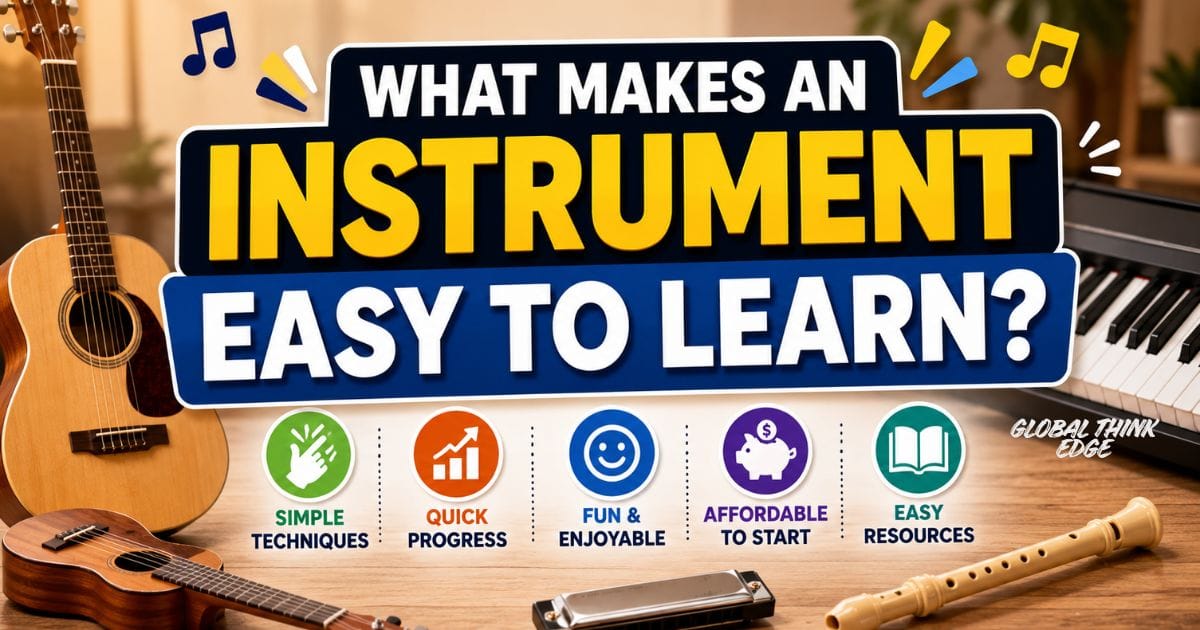
What Makes an Instrument Easy to Learn?
Many people assume that an instrument is easy simply because it has fewer strings or fewer keys. In reality, several factors determine how quickly someone can learn.
Simple Playing Technique
An instrument that produces pleasant sounds without requiring advanced techniques is generally easier for beginners. Instruments with basic finger positions or simple chord patterns allow learners to enjoy music sooner.
Quick Early Progress
One of the biggest motivations for beginners is seeing results quickly. If you can play your first song within a week or two, you’re more likely to continue practising.
Comfortable to Hold
Heavy or awkward instruments can make learning physically tiring. Lightweight instruments are usually easier for children and beginners to handle.
Affordable Learning Resources
An instrument supported by thousands of free online lessons, video tutorials, and beginner books makes self-learning much easier.
Low Maintenance
Some instruments require frequent tuning, cleaning, or expensive accessories. Beginners often have a better experience with instruments that need minimal maintenance.
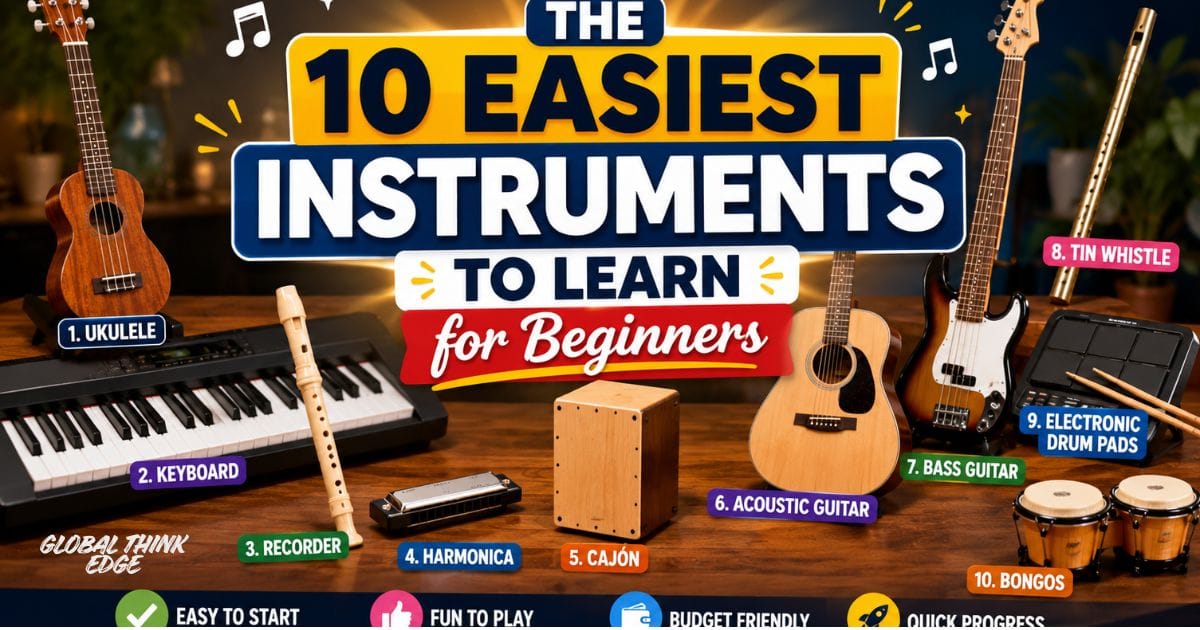
The 10 Easiest Instruments to Learn for Beginners
Choosing your first instrument shouldn’t be based only on popularity. Below are the best beginner-friendly instruments, along with their advantages and who they’re most suitable for.
1. Ukulele: The Best Overall Beginner Instrument
For many music teachers, the ukulele is the easiest instrument to learn.
It has only four nylon strings, making chords much easier than on a traditional guitar. The strings are softer on your fingers, and the instrument itself is lightweight, portable, and affordable.
Why beginners love it:
Easy chord shapes
Less finger pain than guitar
Affordable for most budgets
Thousands of free tutorials online
You can play many popular songs using just a few chords
Best for:
Complete beginners
Children
Individuals learning as a hobby
People who enjoy singing
2. Keyboard or Piano Perfect for Understanding Music
Unlike string instruments, every key on a piano produces the correct note immediately. This allows beginners to focus on rhythm and melody without worrying about finger pressure or tuning.
A digital keyboard is also one of the best investments because many modern models include built-in lessons.
Advantages:
Easy-to-understand note placement
Great foundation for music theory
Suitable for every music genre
Excellent for self-learning
Best for:
Teenagers
Future music students
3. Recorder: A Great First Instrument for Kids
The recorder has introduced millions of children to music around the world.
Its simple fingering system allows beginners to play basic melodies quickly while improving breathing control and finger coordination.
Although it’s often seen as a children’s instrument, individuals can also use it as an inexpensive way to learn music fundamentals.
Advantages:
Low cost
Easy fingering
Lightweight
Helps develop musical skills
Best for:
Young learners
School students
Absolute beginners
4. Harmonica: Small Instrument, Big Sound
The harmonica is one of the easiest portable instruments available.
Unlike many instruments, you can produce musical notes almost immediately. It fits into your pocket, making it ideal for travel and casual practice.
It’s especially popular in blues, folk, country, and rock music.
Advantages:
Extremely portable
Affordable
Quick learning curve
Fun for casual players
Best for:
Travelers
Individuals
Folk and blues fans
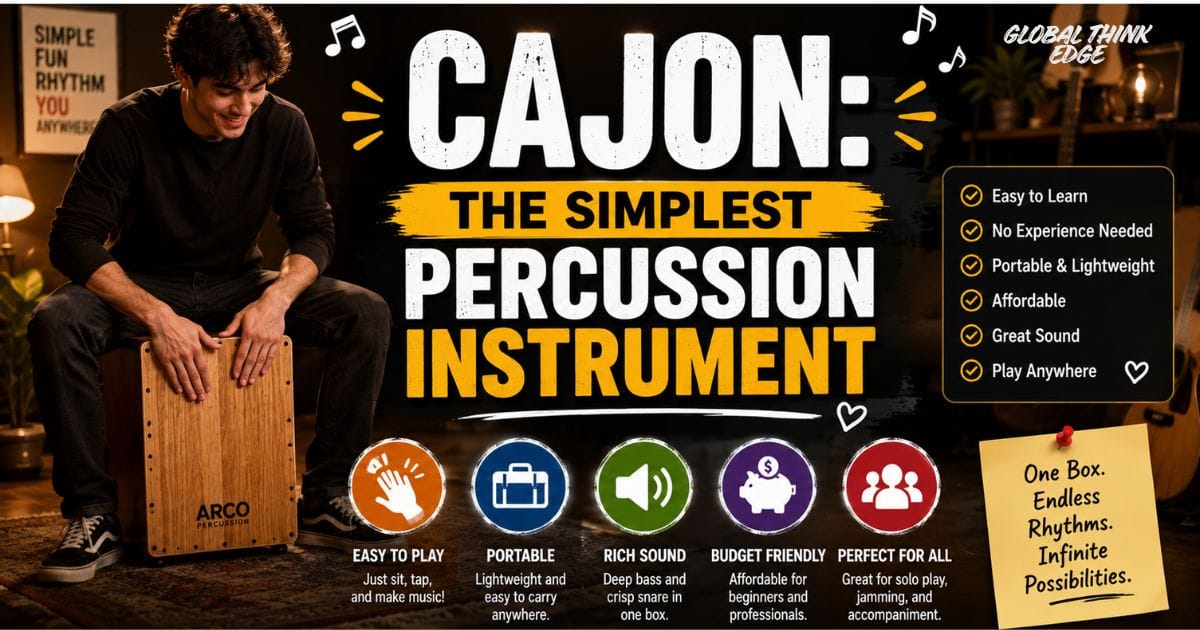
5. Cajon: The Simplest Percussion Instrument
If rhythm interests you more than melody, the cajón is an excellent starting point.
Instead of learning chords or scales, you focus on developing timing and coordination by striking different areas of the wooden box.
Many beginner bands use the cajón because it’s easy to carry and produces impressive rhythms.
Advantages:
Easy to learn
No tuning required
Great for group performances
Improves rhythm
Best for:
Rhythm lovers
Acoustic performers
Beginners joining bands
6. Acoustic Guitar – Easier Than Most People Think
Many beginners avoid the guitar because they believe it’s too difficult.
While your fingertips may feel uncomfortable during the first few weeks, basic chords become much easier with regular practice.
The biggest advantage of learning guitar is its versatility. You can play pop, rock, country, blues, worship music, and much more.
Advantages:
Huge variety of learning resources
Popular worldwide
Great for singing
Endless song choices
Challenge:
Finger strength takes time to develop.
7. Bass Guitar – Simple but Powerful
The bass guitar often surprises beginners.
Because bass lines usually focus on single notes instead of full chords, many learners find it easier than standard guitar.
Bass players are also in high demand for bands.
Advantages:
Easier finger patterns
Strong rhythm foundation
Great for live bands
Beginner-friendly songs
Best for:
Teenagers
Future band members
8. Tin Whistle Easy and Budget-Friendly
The tin whistle is inexpensive and surprisingly easy to learn.
It uses a straightforward fingering system and is commonly played in Irish and folk music.
Many beginners enjoy it because they can start playing simple melodies within days.
9. Bongos Fun for Rhythm Beginners
Bongos are ideal for people who enjoy percussion but don’t want the complexity of a full drum kit.
They’re portable, affordable, and help beginners develop coordination and timing while playing popular rhythms.
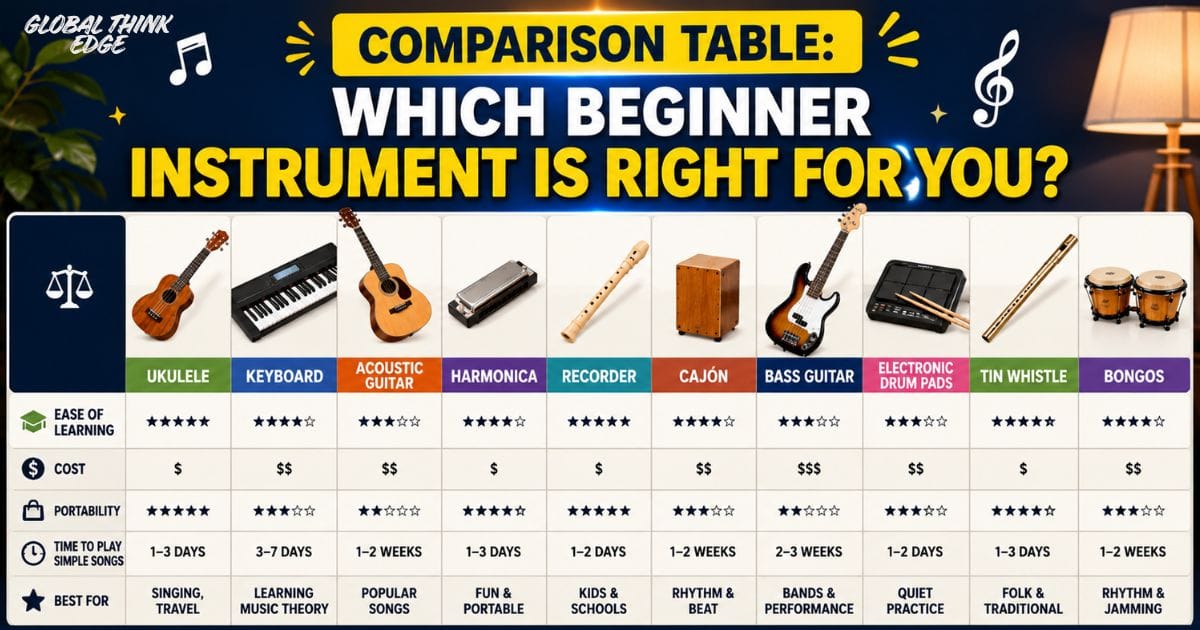
Comparison Table: Which Beginner Instrument Is Right for You?
| Instrument | Difficulty | Cost | Best For | Time to Play Simple Songs |
| Ukulele | Very Easy | Low | Everyone | 1–7 days |
| Keyboard | Easy | Medium | Individuals & Students | 1–2 weeks |
| Recorder | Easy | Low | Children | A few days |
| Harmonica | Easy | Low | Travelers | 1 week |
| Cajón | Easy | Medium | Rhythm Learners | Same day |
| Acoustic Guitar | Moderate | Medium | Singers | 2–4 weeks |
| Bass Guitar | Moderate | Medium | Band Players | 2–3 weeks |
| Tin Whistle | Easy | Low | Folk Music Fans | 1 week |
| Electronic Drum Pads | Moderate | Medium | Modern Learners | 2 weeks |
| Bongos | Easy | Low | Beginners | A few days |
Which Instrument Can You Learn the Fastest?
If your goal is to start playing music as quickly as possible, the ukulele, recorder, cajón, and harmonica are among the fastest instruments to learn. Most beginners can perform simple tunes or basic rhythms within their first week of consistent practice.
However, it’s important to understand the difference between learning the basics and mastering an instrument. While you may play your first song quickly, becoming truly skilled takes months or even years of regular practice.
Best Instruments to Learn Based on Your Goals
The easiest instrument to learn also depends on why you want to play. Some people want to perform with a band, while others simply want a relaxing hobby at home. Matching your instrument to your goal will help you stay motivated and enjoy the learning process.
Best Instrument for Individuals
Individuals often prefer instruments that offer quick progress without requiring years of technical training.
The keyboard is an excellent choice because the notes are arranged logically, making it easier to understand melodies and chords. If you enjoy singing, the ukulele is another fantastic option since you can learn a handful of chords and accompany hundreds of popular songs.
Best Instrument for Children
Children learn best with instruments that are lightweight, easy to hold, and comfortable to play.
A ukulele, recorder, or small keyboard gives young learners an enjoyable introduction to music without overwhelming them. These instruments also help improve coordination, rhythm, and listening skills.
Best Instrument for Seniors
It’s never too late to learn music.
For older individuals, comfort and simplicity are important. A digital keyboard is gentle on the hands, while the harmonica is portable and doesn’t require complicated finger movements. Both instruments allow learners to progress at their own pace.
Best Instrument for Singing
If your goal is to sing while playing, you’ll want an instrument that supports vocals without being too complicated.
The best options include:
Ukulele
Acoustic guitar
Keyboard
Among these, the ukulele is often the easiest because basic chord patterns are simple to memorise.
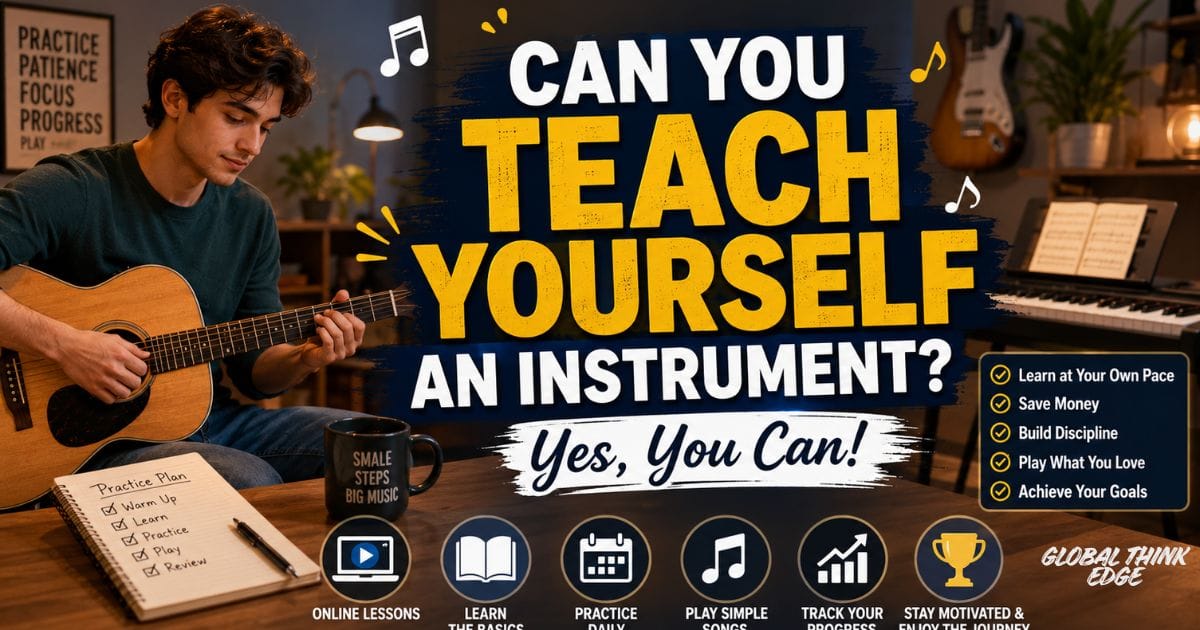
Can You Teach Yourself an Instrument?
Yes, absolutely.
Thanks to online learning platforms, mobile apps, and thousands of free video tutorials, teaching yourself an instrument has never been easier.
However, successful self-learning requires consistency. Even the easiest instrument won’t feel easy if you only practise once every few weeks.
To improve your chances of success:
Practise at the same time each day.
Focus on one skill at a time.
Learn complete songs instead of random exercises.
Record your practice sessions to track progress.
Set small weekly goals instead of expecting overnight results.
Many beginners become confident players without ever taking formal lessons.
Common Mistakes Beginners Should Avoid
Choosing the right instrument is only the first step. Many beginners struggle because of avoidable mistakes.
Buying the Cheapest Instrument
A very low-quality instrument can be difficult to tune, uncomfortable to play, and discouraging for beginners. Buying an affordable but reliable instrument is usually a better investment.
Comparing Yourself to Experienced Musicians
Social media often shows years of practice in a few seconds. Remember that every skilled musician started as a beginner.
Skipping the Basics
Many learners want to play advanced songs immediately. Building a strong foundation with simple exercises and basic chords leads to faster long-term improvement.
Practicing Too Much in One Day
A single two-hour practice session is less effective than practising for 15-20 minutes every day. Consistency builds muscle memory and confidence.
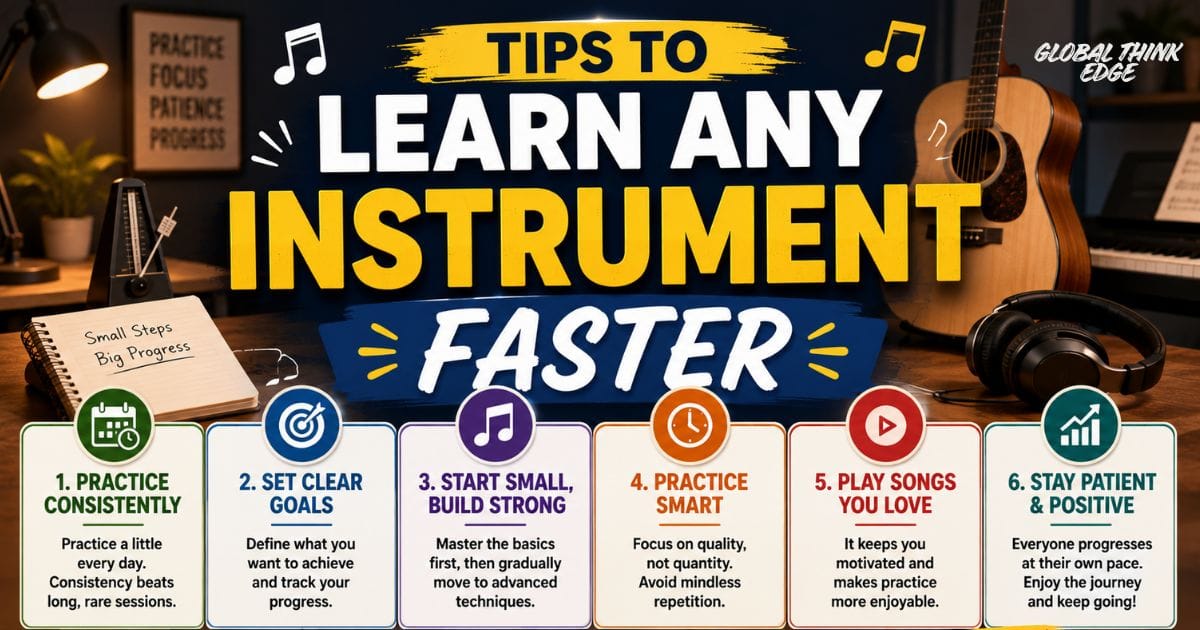
Tips to Learn Any Instrument Faster
Although every instrument has its own learning curve, these proven strategies can help you progress more quickly.
Practice Every Day
Even 15 minutes of focused practice is more effective than several hours once a week.
Learn Songs You Enjoy
Playing music you already know keeps practice interesting and increases motivation.
Use a metronome.
A metronome helps improve timing and rhythm, two essential skills for every musician.
Record Your Progress
Listening to older recordings allows you to hear improvements that you might not notice during daily practice.
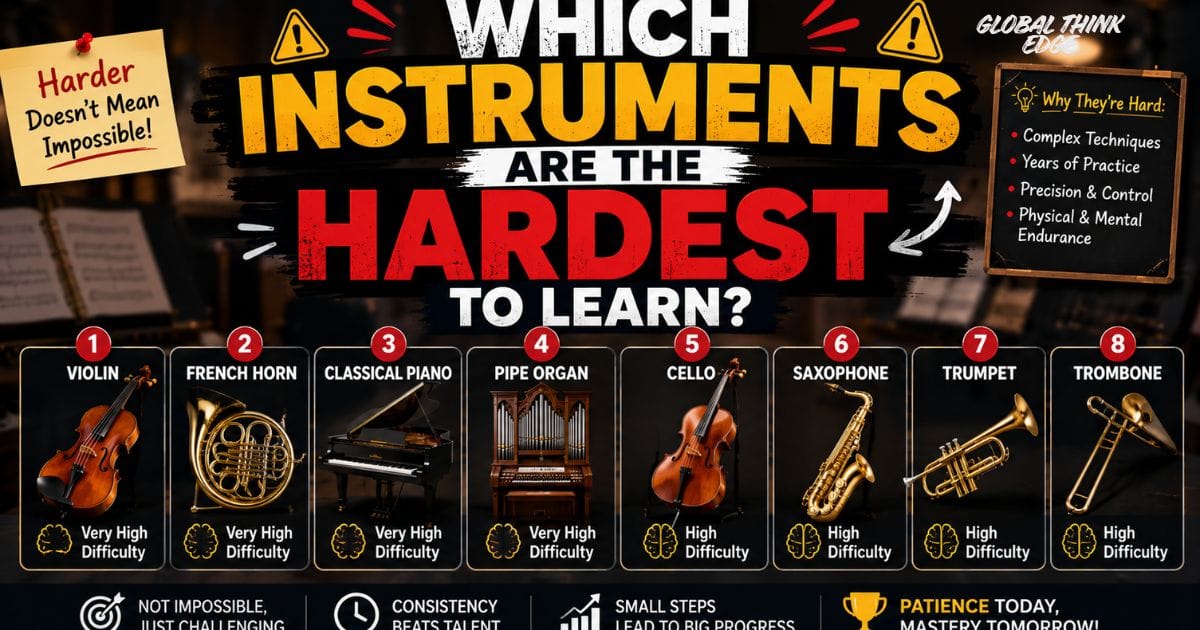
Which Instruments Are the Hardest to Learn?
While some instruments are beginner-friendly, others demand advanced coordination, breath control, or precise finger placement.
Here are a few instruments that are generally considered more challenging:
| Instrument | Why It’s Difficult |
| Violin | No frets; accurate pitch requires precision |
| French Horn | Complex embouchure and breath control |
| Oboe | Difficult reed technique and airflow |
| Harp | Multiple hand techniques and coordination |
| Bagpipes | Continuous airflow and finger control |
These instruments aren’t impossible to learn; they simply require more patience and consistent practice than beginner-friendly alternatives.
Myths About Learning Musical Instruments
Many people avoid learning music because they believe common myths.
Myth: You need natural talent to play music.
Reality: Consistent practice is far more important than talent.
Myth: Individuals are too old to learn an instrument.
Reality: Thousands of individuals successfully begin learning every year.
Myth: Expensive instruments make learning easier.
Reality: A good-quality beginner instrument is more than enough for most new players.
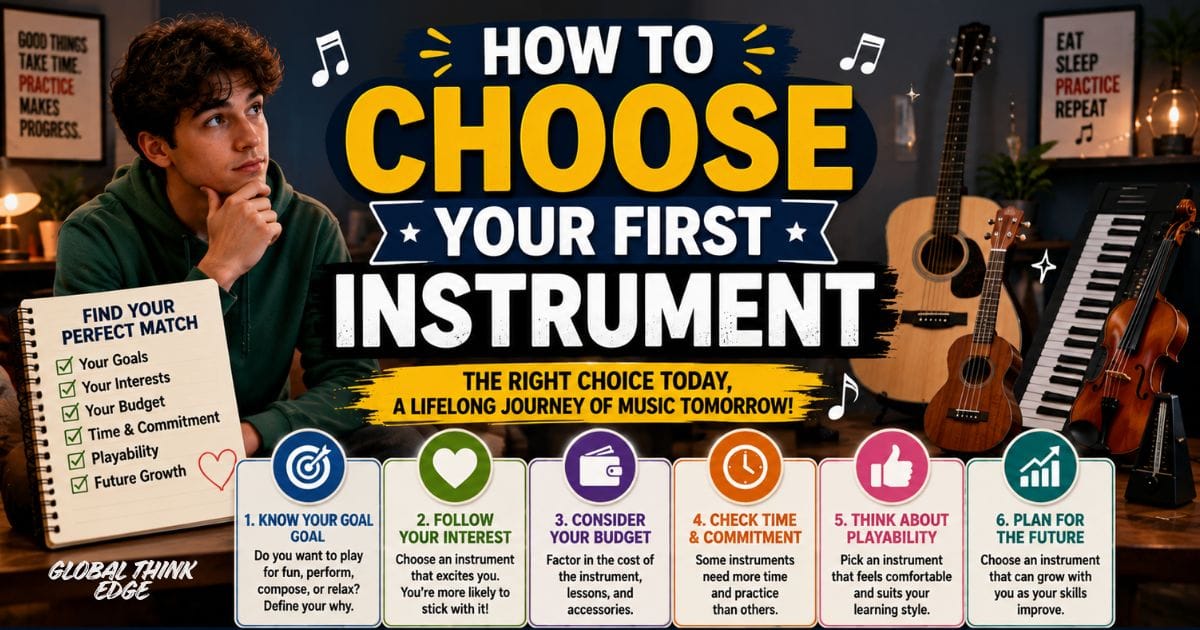
How to Choose Your First Instrument
Before making a purchase, ask yourself a few simple questions.
What type of music do I enjoy listening to?
Do I want to play alone or with others?
What’s my budget?
How much time can I practise each week?
Do I want an instrument that’s portable?
Your answers will help narrow your choices and prevent buying an instrument that doesn’t fit your lifestyle.
If you’re still unsure, the ukulele is often the safest first choice because it’s affordable, beginner-friendly, and fun to play.
Final Thoughts
If you’re still wondering what is the easiest instrument to learn, the answer ultimately depends on your goals, interests, and dedication to practice. While the ukulele is often the best choice for most beginners, the keyboard, harmonica, and other beginner-friendly instruments can also be excellent options depending on your preferences.
The most important step is to choose an instrument you’ll genuinely enjoy playing. With consistent practice and realistic expectations, you’ll build your skills faster than you might think. Start with the instrument that inspires you, stay consistent, and enjoy every milestone along your musical journey.
Frequently Asked Questions
What is the easiest instrument to learn for complete beginners?
For most people, the ukulele is the easiest instrument to learn because it has only four strings, simple chords, and allows beginners to play songs quickly.
Is piano easier than guitar?
Many beginners find the piano easier at first because pressing a key immediately produces the correct note. Guitar requires stronger fingers and more complex chord shapes.
How long does it take to learn an instrument?
With regular practice of 15–20 minutes a day, most beginners can play simple songs within a few weeks. Becoming highly skilled usually takes months or years of consistent practice.
Can I learn an instrument without reading music?
Yes. Many musicians start by learning chords, tabs, or watching video tutorials before studying traditional music notation.
Which instrument is the cheapest to start with?
The recorder, harmonica, tin whistle, and ukulele are among the most affordable instruments for beginners.
Is the ukulele easier than the guitar?
Yes. The ukulele has fewer strings, softer nylon strings, and simpler chord shapes, making it easier for most beginners.
