
How to Cure TMJ Permanently: Best Lasting Relief
Introduction
If you’ve been searching for how to cure TMJ permanently, you’re probably tired of dealing with jaw pain, clicking sounds, headaches, or difficulty chewing. These symptoms can make everyday activities uncomfortable and affect your overall quality of life. The good news is that many people experience long-term relief when the underlying cause of TMJ disorder is correctly diagnosed and treated.
The temporomandibular joint (TMJ) connects your lower jaw to your skull and allows you to speak, chew, yawn, and move your jaw smoothly. When this joint or the surrounding muscles become irritated, inflamed, or damaged, it can lead to temporomandibular joint disorder (TMD), commonly known as TMJ disorder.
Although there is no single treatment that works for everyone, many cases can be resolved permanently or managed successfully with the right combination of therapies. Understanding why the condition developed is the first step toward lasting recovery.
TMJ vs. TMD: Is There a Difference?
Many people use TMJ and TMD interchangeably, but they are not exactly the same.
TMJ refers to the temporomandibular joint itself.
TMD refers to disorders affecting that joint and the muscles controlling jaw movement.
Since “TMJ” is the term most people search for, healthcare providers often use both terms during discussions.
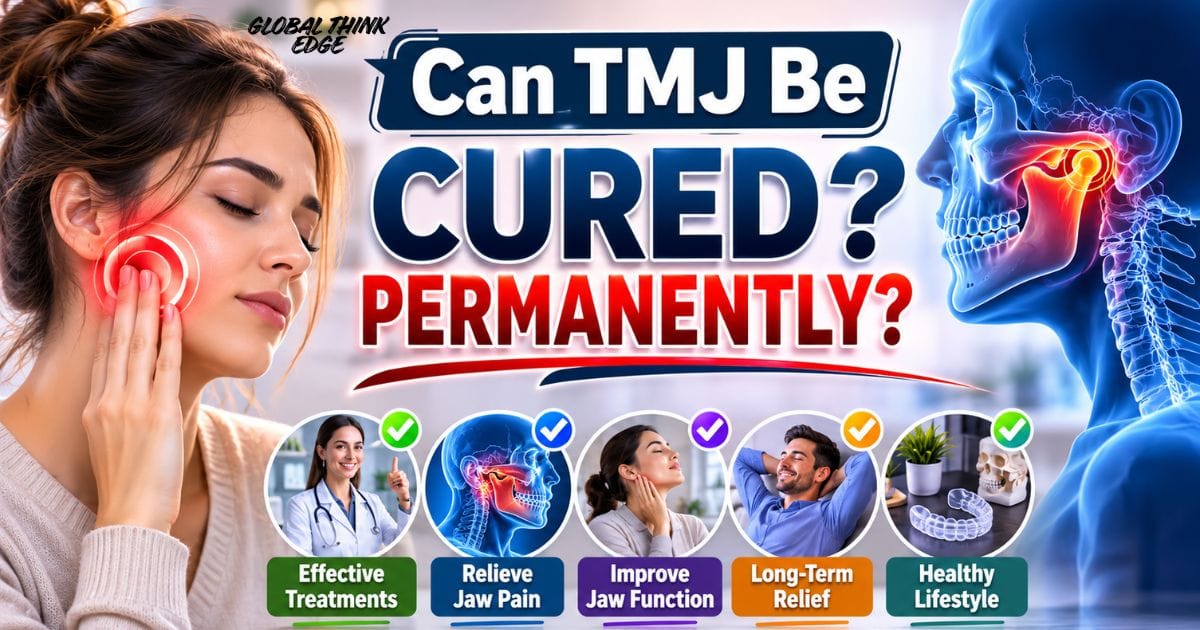
Can TMJ Be Cured Permanently?
A permanent cure depends on the cause of your condition.
People whose symptoms result from muscle tension, stress, teeth grinding, or poor posture often recover completely after appropriate treatment and lifestyle changes. On the other hand, individuals with severe arthritis, joint degeneration, or structural abnormalities may require ongoing care to control symptoms and prevent further damage.
Instead of focusing only on pain relief, successful treatment aims to restore normal jaw function while reducing the chance of future flare-ups.
What Causes TMJ Disorder?
TMJ develops for many different reasons. In many cases, more than one factor contributes to the problem.
Common causes include:
Teeth grinding or clenching (especially during sleep)
Chronic stress that tightens jaw muscles
Poor bite alignment
Jaw injuries from accidents or sports
Osteoarthritis or rheumatoid arthritis
Poor posture affecting the neck and jaw
Connective tissue disorders
Frequent chewing of gum or hard foods
Identifying these causes allows your dentist or specialist to recommend a treatment plan that targets the source instead of only masking symptoms.
Who Is More Likely to Develop TMJ?
Certain factors increase the risk of developing TMJ disorder.
You may have a higher risk if you:
Frequently grind or clench your teeth
Experience chronic stress or anxiety
Have arthritis affecting your joints
Have suffered facial trauma
Spend long hours working with poor posture
Have untreated bite problems
Regularly chew hard foods, ice, or gum
Knowing these risk factors can help you take preventive steps before symptoms become severe.
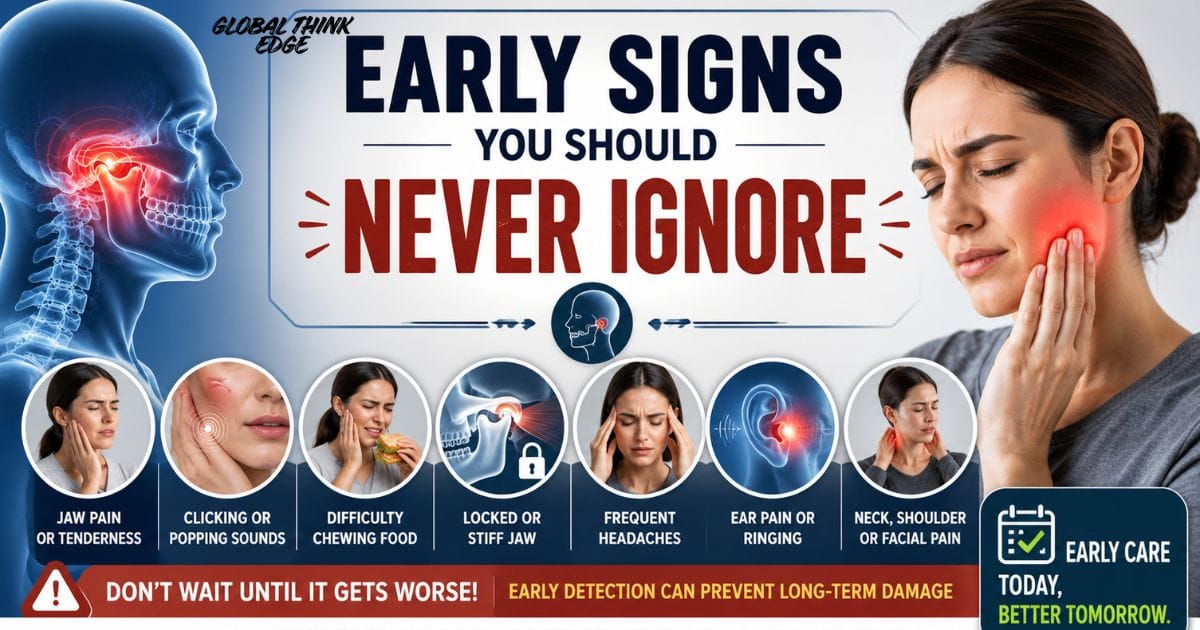
Early Signs You Should Never Ignore
TMJ symptoms often start gradually and become worse over time if left untreated.
Watch for these common warning signs:
Jaw pain or tenderness
Clicking or popping sounds while opening the mouth
Difficulty chewing food
Jaw stiffness after waking up
Locking of the jaw
Headaches around the temples
Ear pain or ringing without infection
Pain in the neck, shoulders, or face
Limited ability to fully open the mouth
Early diagnosis generally leads to faster recovery and reduces the likelihood of permanent joint damage.
How Doctors Diagnose TMJ Correctly
A proper diagnosis is essential because jaw pain can sometimes be confused with dental problems, nerve disorders, or sinus conditions.
Your healthcare provider may begin by:
Physical Examination
The doctor checks how your jaw moves, listens for clicking or grinding sounds, and presses on the jaw muscles to identify painful areas.
Dental Assessment
A dentist evaluates your bite alignment, signs of teeth grinding, and any missing or damaged teeth that may contribute to TMJ symptoms.
Imaging Tests
If symptoms are severe or persistent, imaging may be recommended.
These tests can include:
X-rays to evaluate bone structure
CT scans for detailed joint images
MRI scans to examine cartilage and soft tissues around the joint
These evaluations help determine the exact cause and guide the most effective treatment plan.
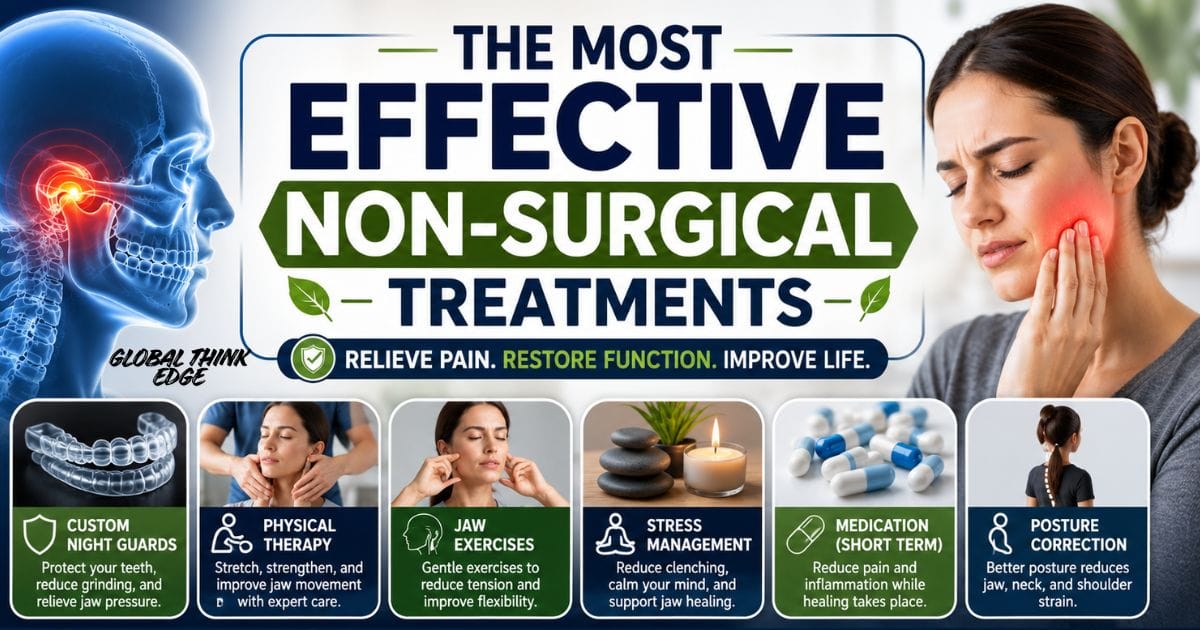
The Most Effective Non-Surgical Treatments
Most people with TMJ improve without surgery. Conservative treatments are usually recommended first because they are effective, less invasive, and carry fewer risks.
Custom Night Guards
If teeth grinding is causing your TMJ, a custom-made night guard can reduce pressure on the jaw joint while protecting your teeth from further damage.
Unlike over-the-counter mouthguards, custom devices are designed specifically for your bite, making them more comfortable and effective.
Physical Therapy
Physical therapy focuses on restoring normal jaw movement while reducing muscle tension.
Treatment may include:
Gentle stretching exercises
Manual therapy
Posture correction
Muscle strengthening
Heat and cold therapy
Many patients notice gradual improvement after several weeks of consistent therapy.
Medications for Short-Term Relief
Medication cannot permanently cure TMJ, but it can reduce pain while the joint heals.
Doctors may recommend:
Nonsteroidal anti-inflammatory drugs (NSAIDs)
Muscle relaxants
Prescription pain relievers
Anti-inflammatory injections in selected cases
Medication should always be taken according to professional medical advice.
Stress Management
Stress is one of the most overlooked causes of TMJ.
People often clench their jaws without realising it, especially during work or sleep.
Helpful stress-reduction techniques include:
Deep breathing exercises
Meditation
Regular physical activity
Better sleep habits
Mindfulness practices
Reducing muscle tension can significantly improve TMJ symptoms over time.
Jaw Exercises That May Improve TMJ Function
Simple jaw exercises can reduce stiffness, improve flexibility, and strengthen the muscles that support the temporomandibular joint. These exercises should be performed slowly and stopped if they increase pain.
Chin Tuck Exercise
Keep your shoulders relaxed and gently pull your chin straight back without tilting your head. Hold the position for five seconds, then relax. Repeat this exercise 10 times to improve posture and reduce stress on the jaw.
Controlled Mouth Opening
Place the tip of your tongue against the roof of your mouth. Slowly open your mouth only as far as it feels comfortable, then close it gently. This movement helps improve jaw control and reduces unnecessary strain.
Side-to-Side Jaw Movement
Place a clean object, such as stacked tongue depressors, between your front teeth. Slowly move your lower jaw from side to side. As your movement improves, increase the thickness of the object gradually under professional guidance.
Tip: Always consult a dentist or physical therapist before beginning a new exercise routine if you have severe pain or a locked jaw.

Foods to Eat and Avoid During Recovery
Your diet plays an important role in reducing stress on the jaw while it heals.
Foods to Eat
Choose foods that require minimal chewing, such as:
Yogurt
Scrambled eggs
Mashed potatoes
Oatmeal
Smoothies
Soup
Soft fish
Cooked vegetables
Rice
Pasta
Foods to Avoid
Avoid foods that put extra pressure on the jaw, including:
Chewing gum
Hard candy
Nuts
Tough meats
Popcorn
Ice
Crusty bread
Sticky candies
Following a soft-food diet during flare-ups allows the joint and surrounding muscles to recover more comfortably.
Comparing Common TMJ Treatment Options
| Treatment | Best For | Recovery Time | Long-Term Effectiveness |
| Custom Night Guard | Teeth grinding | Several weeks | High |
| Physical Therapy | Muscle-related TMJ | 4-12 weeks | High |
| Jaw Exercises | Mild to moderate cases | Ongoing | Moderate to High |
| Stress Management | Jaw clenching | Varies | High |
| Medication | Temporary pain relief | Days to weeks | Short-term |
| Surgery | Severe joint damage | Several months | Depends on the condition |
When Is Surgery Necessary?
Most people never need surgery for TMJ disorder. However, surgery may be considered when conservative treatments fail or when the joint has severe structural damage.
Surgical options may include:
Arthrocentesis to flush the joint
Arthroscopy using small surgical instruments
Open-joint surgery for advanced damage
Joint replacement in rare, severe cases
Your specialist will usually recommend surgery only after carefully evaluating the benefits and risks.
Can TMJ Return After Treatment?
Yes, TMJ symptoms can return if the underlying cause is not managed.
For example, continued teeth grinding, poor posture, or chronic stress may trigger another episode even after successful treatment. Maintaining healthy habits and attending follow-up appointments can significantly reduce the risk of recurrence.
Daily Habits That Help Prevent TMJ
Preventing future problems is just as important as treating current symptoms.
Helpful habits include:
Avoid clenching your teeth during the day.
Maintain good posture while using computers and mobile devices.
Stretch your neck and shoulders regularly.
Limit excessive jaw movements, such as wide yawning.
Sleep for seven to nine hours each night.
Stay hydrated and manage daily stress.
Visit your dentist regularly to monitor your bite and oral health.
These simple changes can protect the jaw joint and support long-term recovery.
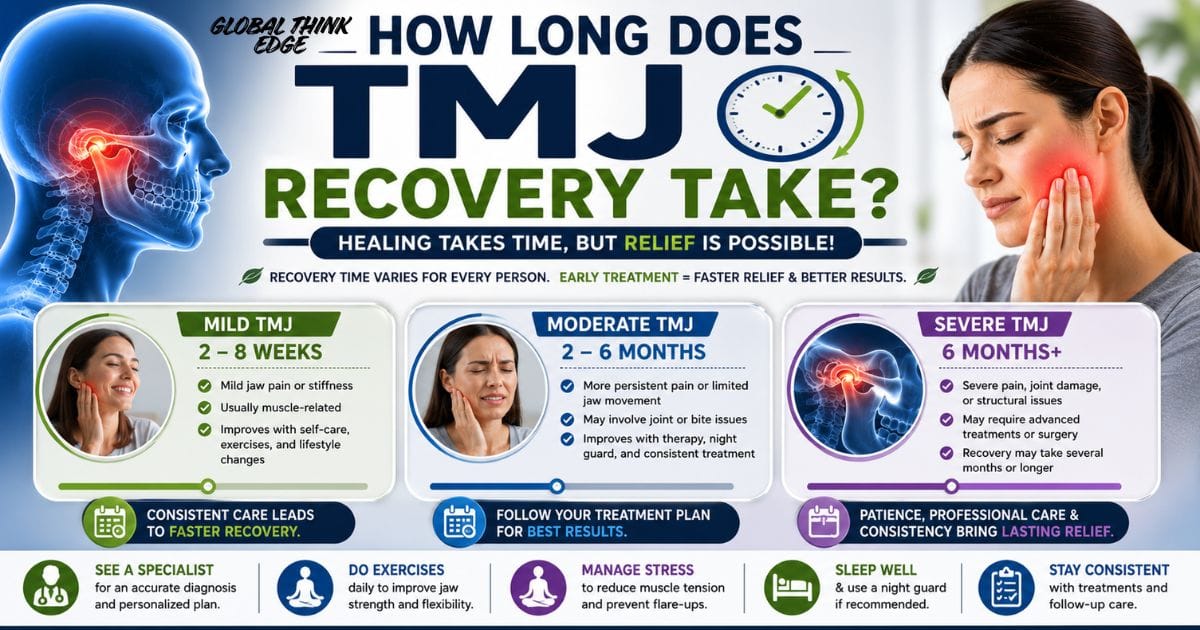
How Long Does TMJ Recovery Take?
Recovery varies depending on the severity of the condition and how closely you follow your treatment plan.
Mild TMJ: Usually improves within 2–8 weeks.
Moderate TMJ: Recovery often takes 2–6 months.
Severe TMJ: May require several months or longer, especially if surgery is needed.
Seeking treatment early generally leads to faster recovery and better long-term outcomes.
Key Takeaways
A permanent solution depends on treating the underlying cause rather than simply relieving pain.
Most TMJ cases improve without surgery.
Early diagnosis increases the likelihood of long-term recovery.
Physical therapy, custom night guards, jaw exercises, and stress management are among the most effective treatments.
Healthy daily habits can prevent future flare-ups and protect your jaw joint.
Final Thoughts
Understanding how to cure TMJ permanently begins with recognizing that there is no one-size-fits-all solution. Long-term relief comes from identifying the root cause, following a personalized treatment plan, and making consistent lifestyle changes that support jaw health. While some people recover completely, others successfully manage their condition with ongoing care and experience little to no disruption in daily life.
If your symptoms persist, worsen, or interfere with eating, speaking, or sleeping, consult a qualified dentist or TMJ specialist. Early diagnosis and appropriate treatment provide the best opportunity for lasting relief, improved jaw function, and a better quality of life.
Frequently Asked Questions
What is the fastest way to relieve TMJ pain?
Applying warm compresses, eating soft foods, avoiding excessive jaw movement, reducing stress, and following your healthcare provider’s treatment plan are among the fastest ways to reduce discomfort.
Can TMJ heal without treatment?
Some mild cases improve with rest and lifestyle changes, but persistent pain or jaw dysfunction should always be evaluated by a healthcare professional.
Is surgery the only permanent solution?
No. Most people achieve lasting improvement through non-surgical treatments such as physical therapy, custom night guards, jaw exercises, and stress management.
Can stress alone cause TMJ?
Stress may not be the only cause, but it is a major contributing factor because it often leads to jaw clenching and muscle tension.
Should I see a dentist or a doctor for TMJ?
Many people begin with a dentist, who can evaluate bite problems and teeth grinding. Depending on your condition, you may also be referred to an oral surgeon, physical therapist, or another specialist.
