What Is Behavioral Health? Powerful Complete Guide
Understanding What Is Behavioral Health Means
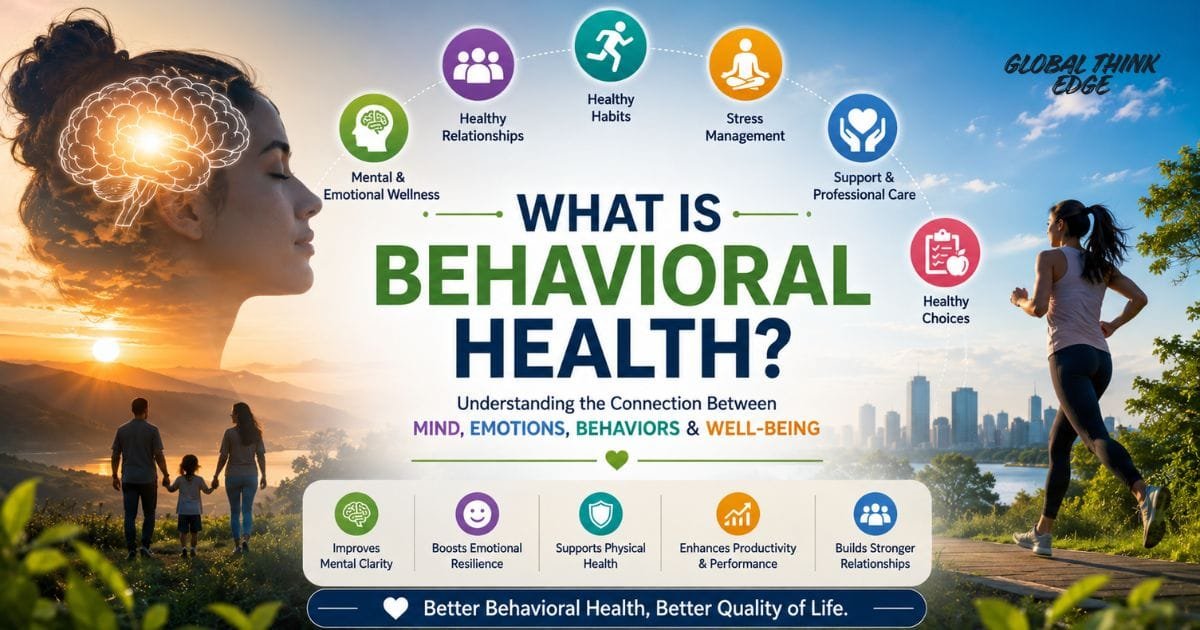
What Is Behavioral Health refers to the connection between a person’s thoughts, emotions, behaviors, and overall well-being. It includes mental health, emotional wellness, substance use, stress management, and the everyday habits that influence both physical and psychological health. Rather than focusing only on mental illness, behavioral health takes a broader approach by promoting healthy behaviors that improve quality of life.
Many people mistakenly believe behavioral health and mental health are the same. While mental health is an important part of behavioral health, the two terms are not identical. Behavioral health also includes lifestyle choices, coping strategies, relationship patterns, and behaviors that directly affect physical health.
As awareness of emotional wellness continues to grow, behavioral health has become a key part of modern healthcare. Hospitals, primary care clinics, schools, and workplaces increasingly integrate behavioral health services because healthy behaviors contribute to healthier lives.
Behavioral Health vs. Mental Health: What’s the Difference?
Although these terms are closely related, understanding the distinction helps people choose the right type of support.
| Behavioral Health | Mental Health |
| Includes behaviors, emotions, habits, and lifestyle choices. | Focuses mainly on emotional and psychological well-being. |
| It covers prevention, treatment, and healthy behavior changes. | Primarily addresses mental health conditions. |
| Includes stress management, substance use, sleep, nutrition, and relationships. | Focuses on disorders such as anxiety, depression, and bipolar disorder. |
| Encourages long-term wellness through healthy daily habits. | Concentrates on diagnosing and treating mental illnesses. |
Simply put, mental health is one component of behavioral health, while behavioral health considers the bigger picture of how daily actions influence overall wellness.
What Is Behavioral Health Matters
Behavioral health affects nearly every area of life. Healthy habits improve emotional resilience, strengthen relationships, increase productivity, and reduce the risk of chronic disease. When behavioral health challenges remain untreated, they can impact work performance, academic success, family life, and physical health.
Strong What Is Behavioral Health offers several benefits, including the following:
Better emotional balance
Improved decision-making
Healthier relationships
Reduced stress and anxiety
Better sleep quality
Greater workplace productivity
Lower risk of substance misuse
Improved long-term physical health
Investing in behavioral health is not only about treating illness—it is also about preventing future health problems and supporting lifelong well-being.

The Core Elements of Behavioral Health
What Is Behavioral Health? is built on several interconnected areas that influence one another.
Mental and Emotional Wellness
Mental and emotional wellness involves recognizing emotions, managing challenges effectively, and maintaining a positive outlook. Developing healthy coping skills allows people to handle difficult situations without becoming overwhelmed.
Healthy Lifestyle Habits
Daily behaviors such as regular exercise, nutritious eating, quality sleep, and avoiding harmful substances directly affect behavioral health. Small lifestyle improvements often lead to significant long-term benefits.
Stress Management
Stress is a normal part of life, but chronic stress can negatively affect both physical and emotional health. Learning relaxation techniques, practising mindfulness, and maintaining a healthy work-life balance help reduce stress-related problems.
Healthy Relationships
Supportive relationships with family, friends, coworkers, and communities improve emotional resilience. Strong social connections reduce feelings of loneliness and contribute to better mental and physical health.
Substance Use Awareness
Behavioral health also includes preventing and treating alcohol, tobacco, and drug misuse. Early intervention can prevent addiction and improve recovery outcomes.
What Is Behavioral Health Conditions
Behavioral health professionals help individuals manage a wide variety of conditions. Some of the most common include the following:
Anxiety Disorders
Anxiety disorders involve persistent worry, excessive fear, panic attacks, or nervousness that interferes with everyday activities.
Depression
Depression is more than temporary sadness. It affects mood, energy levels, motivation, concentration, appetite, and sleep, making daily responsibilities difficult.
Substance Use Disorders
Addiction to alcohol, prescription medications, or recreational drugs can affect physical health, employment, finances, and personal relationships. Behavioral health treatment focuses on long-term recovery through evidence-based care.
Trauma and PTSD
Traumatic experiences can leave lasting emotional effects. Post-traumatic stress disorder (PTSD) may develop after serious accidents, violence, military service, or other traumatic events.
ADHD and Behavioral Disorders
Attention-deficit/hyperactivity disorder (ADHD) and other behavioral disorders affect concentration, impulse control, learning, and social interactions in both children and adults.
Burnout and Chronic Stress
Long-term workplace stress, caregiving responsibilities, or ongoing life pressures can lead to emotional exhaustion, reduced motivation, and physical fatigue.
What Causes Behavioral Health Challenges?
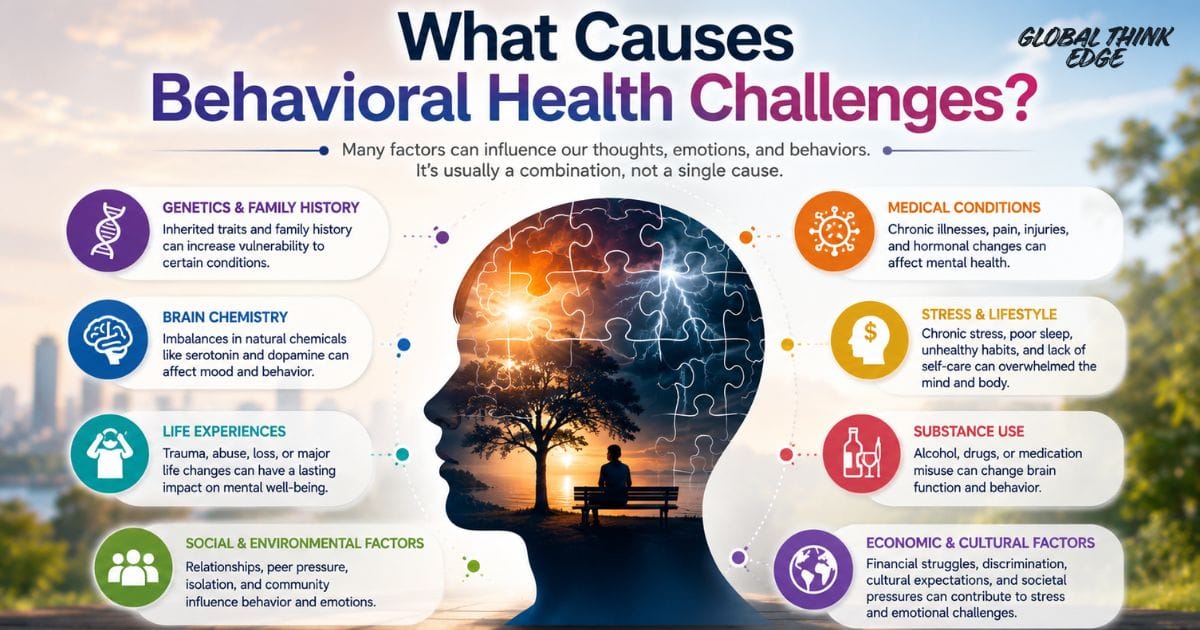
Behavioral health conditions rarely have a single cause. Instead, they usually develop through a combination of biological, psychological, environmental, and social factors.
Common contributing factors include:
Family history and genetics
Brain chemistry
Childhood experiences
Trauma or abuse
Chronic medical conditions
Financial difficulties
Workplace pressure
Relationship conflicts
Social isolation
Poor sleep and unhealthy lifestyle habits
Understanding these underlying causes helps healthcare providers create personalized treatment plans that address the root of the problem rather than only the symptoms.
Warning Signs You Should Not Ignore
What Is Behavioral Health? Concerns often develop gradually. Recognising early warning signs allows people to seek help before symptoms become more severe.
Some common signs include:
Persistent sadness or hopelessness
Constant anxiety or excessive worry
Difficulty concentrating
Sudden mood changes
Changes in appetite or sleep
Withdrawal from family or friends
Loss of interest in favorite activities
Increased alcohol or drug use
Difficulty managing daily responsibilities
Seeking professional support early often leads to faster recovery and better long-term outcomes.
How Behavioral Health Services Support Recovery
Behavioral health services are designed to help people improve their emotional, psychological, and behavioral well-being. Treatment is personalized because every individual’s experiences, goals, and challenges are different. A combination of therapy, education, medical care, and healthy lifestyle changes often delivers the best results.
Initial Assessment
The first appointment usually begins with a comprehensive assessment. A behavioral health professional asks about your medical history, emotional concerns, lifestyle, relationships, and daily routines. This evaluation helps identify the underlying causes of symptoms and guides the treatment plan.
Personalized Treatment Plan
No single treatment works for everyone. Providers develop individualised care plans based on a person’s condition, age, medical history, and personal goals. These plans may include counselling, medication, lifestyle recommendations, or support groups.
Evidence-Based Therapies
What Is Behavioral Health professionals use scientifically supported therapies to help individuals develop healthier thinking patterns and coping strategies. Depending on the condition, treatment may include cognitive behavioral therapy (CBT), family therapy, group counselling, or trauma-focused therapy.
Medication Management
Some behavioral health conditions benefit from medication prescribed by qualified healthcare professionals. Medication is often combined with therapy rather than used alone, ensuring a balanced approach to treatment.
Ongoing Monitoring
Recovery is a continuous process. Regular follow-up appointments allow healthcare providers to monitor progress, adjust treatment when necessary, and provide additional support as life circumstances change.

Behavioral Health and Primary Healthcare
Modern healthcare increasingly recognises that emotional and physical health are closely connected. As a result, many hospitals and clinics now integrate behavioral health into primary care.
Integrated care allows physicians, therapists, psychologists, and other healthcare professionals to work together. This collaborative approach improves communication between providers, identifies concerns earlier, and helps patients receive comprehensive care in one setting.
Research has shown that integrated behavioral healthcare can improve treatment outcomes, increase patient satisfaction, and reduce healthcare costs by addressing both physical and emotional needs at the same time.
Behavioral Health Throughout Every Stage of Life
Behavioral health is important at every age. While the challenges may differ, emotional well-being remains essential throughout life.
Children and Adolescents
Young people may experience anxiety, attention disorders, learning challenges, behavioral concerns, or difficulties adjusting to school and family changes. Early support helps children develop healthy emotional skills and resilience.
Adults
Adults often face stress related to careers, finances, parenting, and relationships. Behavioral health services help manage these pressures while reducing the risk of anxiety, depression, and burnout.
Older Adults
Seniors may experience grief, loneliness, chronic illness, memory concerns, or major life transitions. Behavioral healthcare helps maintain emotional well-being and independence while improving overall quality of life.
The Growing Role of Technology in Behavioral Health
Technology has transformed behavioral healthcare by making professional support more accessible than ever before.
Today, many providers offer secure virtual appointments, allowing patients to receive counselling from home. Mobile applications also help users track mood, practise mindfulness, manage stress, and build healthier daily routines.
Artificial intelligence is beginning to assist healthcare professionals by identifying patterns in patient data, supporting early screening, and improving personalized care plans. However, technology should complement—not replace—the expertise of qualified behavioral health professionals.
Practical Ways to Improve What Is Behavioral Health
Everyone can take small but meaningful steps to strengthen behavioral health. Consistency is often more important than making dramatic lifestyle changes.
Healthy habits include:
Exercise regularly.
Get seven to nine hours of quality sleep each night.
Eat a balanced and nutritious diet.
Practice mindfulness or meditation.
Build strong relationships with supportive people.
Limit alcohol and avoid recreational drug misuse.
Spend time outdoors whenever possible.
Set realistic goals and maintain a healthy work-life balance.
Seek professional help when emotional challenges become difficult to manage.
Developing these habits can improve emotional resilience while reducing the likelihood of future behavioral health problems.
Common Myths About Behavioral Health
Misunderstandings often prevent people from seeking the support they need. Separating myths from facts encourages informed decisions.
| Myth | Fact |
| Behavioral health only treats mental illness. | It also focuses on healthy behaviors, emotional wellness, stress management, and substance use prevention. |
| Therapy is only for people with serious problems. | Anyone can benefit from professional guidance during stressful or challenging times. |
| Asking for help is a sign of weakness. | Seeking support demonstrates self-awareness and a commitment to better health. |
| Behavioral health only affects adults. | People of every age, including children and older adults, can benefit from behavioral healthcare. |
When Should You Seek Professional Help?
Occasional stress and emotional ups and downs are normal. However, professional support is recommended when symptoms begin affecting work, school, relationships, sleep, or daily activities.
Seek immediate medical attention if you or someone you know experiences:
Thoughts of self-harm or suicide.
Severe emotional distress.
Psychotic symptoms such as hallucinations.
Drug overdose or substance-related emergencies.
Inability to care for basic daily needs.
Early intervention often leads to better recovery and improved long-term outcomes.
Key Takeaways
What Is Behavioral Health? It includes mental health, emotional wellness, healthy habits, and substance use prevention.
Mental health is one important part of behavioral health but does not represent the entire field.
Healthy behaviors support both physical and emotional well-being.
Early diagnosis and personalized treatment improve recovery outcomes.
Integrated healthcare combines physical and behavioral care for better patient results.
Technology has expanded access through telehealth and digital wellness tools.
Healthy daily habits play a major role in preventing behavioral health challenges.
Frequently Asked Questions
What is behavioral health in simple terms?
‘Behavioural health’ refers to how your thoughts, emotions, and daily behaviors affect your overall physical and mental well-being.
Is behavioral health the same as mental health?
No. Mental health is one part of behavioral health. Behavioral health also includes lifestyle habits, stress management, substance use, and behaviors that influence overall health.
What professionals provide behavioral health services?
Behavioral healthcare may involve psychologists, psychiatrists, licensed counsellors, clinical social workers, behavioral therapists, psychiatric nurses, and primary care physicians working together.
Can behavioral health problems be prevented?
Although not every condition can be prevented, healthy habits, stress management, strong social support, and early professional intervention significantly reduce many behavioral health risks.
Are online behavioral health services effective?
Yes. Telehealth has become an effective option for many individuals, particularly for counselling, follow-up appointments, and ongoing mental wellness support when provided by qualified professionals.
Conclusion
What Is Behavioral Health? It is much more than the treatment of mental illness. It represents the connection between emotions, behaviors, physical health, and everyday lifestyle choices that shape overall well-being. By understanding the factors that influence behavioral health, recognising early warning signs, and seeking professional support when needed, individuals can build healthier, more fulfilling lives.
Whether you are managing stress, improving emotional resilience, recovering from substance use, or simply striving for better overall wellness, investing in behavioral health is one of the most valuable steps you can take. Small, consistent actions today can lead to lasting improvements in both mental and physical health for years to come.
