Is Gingivitis Contagious? Shocking Truth You Should Know
Introduction
If you’ve ever wondered, is gingivitis contagious? You’re not alone. Many people worry about whether bleeding gums or gum inflammation can be passed to a spouse, partner, or family member through smiling, sharing utensils, or other close contact.
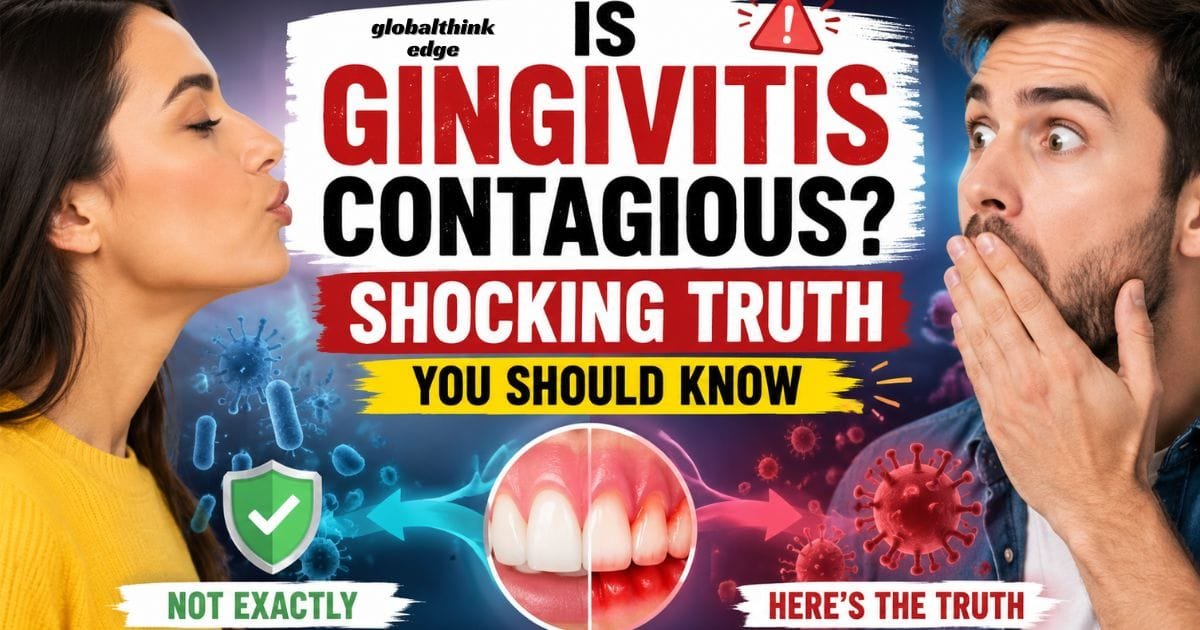
The short answer is gingivitis itself is not contagious, but the bacteria that contribute to it can spread through saliva. Whether those bacteria actually lead to gingivitis depends on the other person’s oral hygiene, immune system, and overall gum health.
Understanding how gingivitis develops, how bacteria are transferred, and what steps reduce your risk can help you protect your oral health. This guide explains the facts using current dental knowledge while clearing up common myths.
The Simple Answer: Is Gingivitis Contagious?
Gingivitis is an early stage of gum disease caused by the buildup of dental plaque along the gumline. Since it is an inflammatory condition rather than an infectious disease, you cannot “catch” gingivitis in the same way you catch a cold or the flu.
However, the bacteria responsible for plaque can move from one person’s mouth to another through saliva. If these bacteria remain in the mouth and oral hygiene is poor, they may increase the chance of developing gingivitis over time.
In other words:
Gingivitis is not directly contagious.
Oral bacteria can be transferred through saliva.
Good oral hygiene usually prevents transferred bacteria from causing gum disease.
This distinction is important because many people mistakenly believe that one kiss or shared drink automatically causes gingivitis, which is not supported by dental evidence.
What Exactly Is Gingivitis?
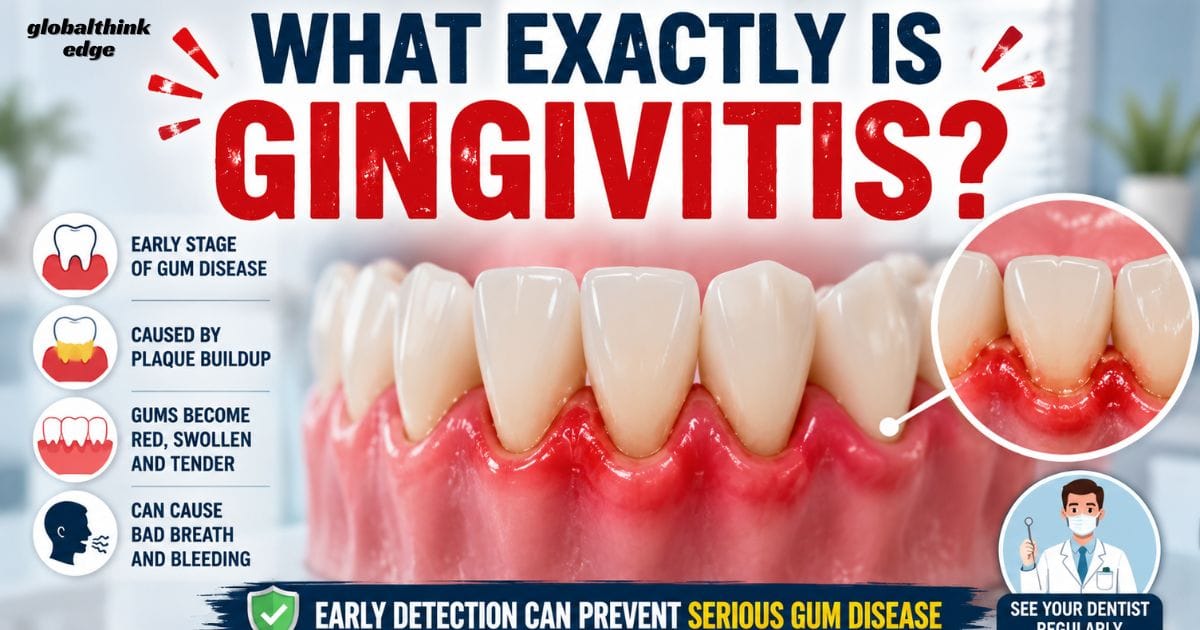
Gingivitis is the earliest form of gum disease. It develops when plaque, a sticky layer of bacteria, collects around the teeth and gums. If plaque is not removed through regular brushing and flossing, it irritates the gum tissue and triggers inflammation.
At this stage, the damage is usually reversible because the infection has not yet affected the bone supporting the teeth.
Common signs include:
Red or swollen gums
Bleeding during brushing or flossing
Tender gum tissue
Persistent bad breath
Mild gum sensitivity
Unlike advanced gum disease, gingivitis does not usually cause tooth loss when treated early.
Gingivitis vs. Advanced Gum Disease
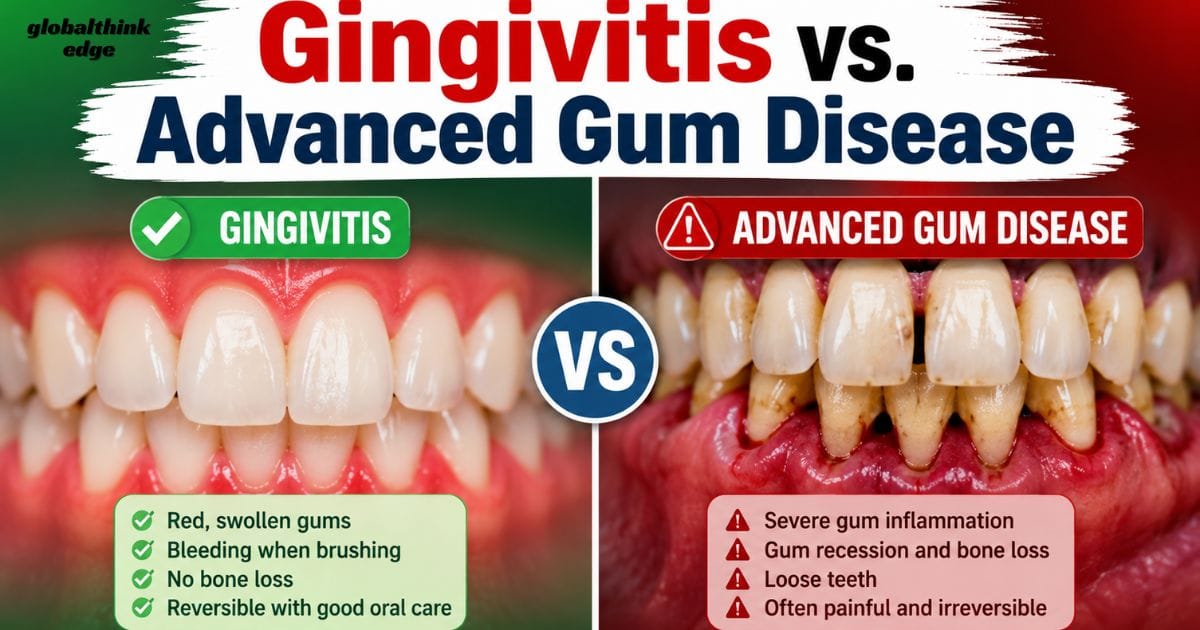
Many people use the terms interchangeably, but they describe different stages of gum disease.
| Feature | Gingivitis | Periodontal Disease |
| Gum inflammation | Yes | Yes |
| Bone damage | No | Yes |
| Tooth support affected | No | Yes |
| Reversible | Usually yes | Often only manageable |
| Tooth loss risk | Very low | High if untreated |
Treating gingivitis early prevents it from progressing into periodontitis, which is much more difficult to manage.
How Can Oral Bacteria Spread?
Although gingivitis itself cannot jump from one person to another, the bacteria involved in plaque formation can be exchanged through saliva.
This is why dentists recommend avoiding habits that unnecessarily share oral bacteria, especially if someone has active gum disease or poor oral hygiene.
Can Smiling Spread Gingivitis?
A smile can transfer millions of oral bacteria between two people. However, this does not mean gingivitis will automatically develop.
Whether these bacteria become a problem depends on factors such as:
Daily brushing habits
Flossing routine
Existing plaque build-up
Immune response
Saliva production
Regular dental cleanings
A person with healthy gums and excellent oral hygiene is much less likely to develop gingivitis even after exposure to another person’s oral bacteria.
Is Sharing Toothbrushes or Utensils Risky?
Sharing a toothbrush is strongly discouraged.
A toothbrush carries plaque, bacteria, and sometimes small amounts of blood. Sharing one increases the transfer of harmful microorganisms and may expose another person to additional infections.
Sharing forks, spoons, drinking glasses, or water bottles presents a much lower risk, but it can still transfer oral bacteria. While occasional sharing is unlikely to cause gingivitis on its own, making it a habit is not recommended.
Who Is Most Likely to Develop Gingivitis?
Some people have a greater chance of developing gingivitis because certain health conditions or habits make plaque buildup more damaging.
The most common risk factors include poor oral hygiene, but several others also play an important role.
Poor Brushing and Flossing
Plaque begins forming within hours after brushing. Without daily cleaning, it hardens into tartar, which cannot be removed at home.
Regular brushing twice a day and flossing once daily remain the most effective ways to prevent gingivitis.
Smoking and Tobacco Products
Smoking weakens the body’s ability to fight infection and slows gum healing. Smokers are significantly more likely to develop gum disease, and their symptoms may be harder to notice because smoking reduces gum bleeding.
Diabetes
People with poorly controlled diabetes have a higher risk of gum infections because elevated blood sugar supports bacterial growth and weakens the immune system.
Keeping blood sugar under control benefits both overall health and gum health.
Hormonal Changes
Pregnancy, puberty, and menopause can make gums more sensitive to plaque. Even a small amount of bacteria may trigger inflammation during these hormonal changes.
Maintaining excellent oral hygiene during these periods is especially important.
How Dentists Diagnose Gingivitis
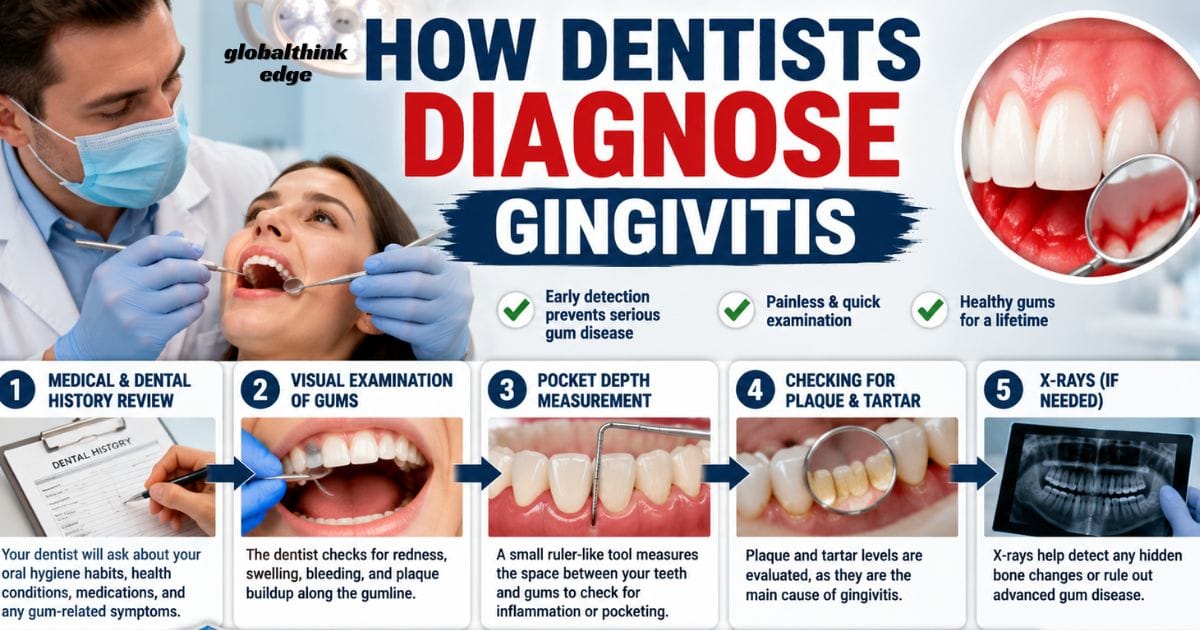
Dentists usually identify gingivitis during a routine dental examination before it becomes severe.
A diagnosis may include the following:
Checking for redness and swelling
Looking for bleeding around the gums
Measuring the space between teeth and gums
Examining plaque and tartar buildup
Taking dental X-rays if advanced gum disease is suspected
Early diagnosis allows treatment to begin before permanent damage occurs.
Can Gingivitis Be Reversed?
One of the most encouraging facts about gingivitis is that it is usually reversible when treated early. Since the infection is limited to the gums and has not damaged the supporting bone, healthy gum tissue can often be restored with proper care.
Treatment typically combines professional dental care with consistent oral hygiene at home.
Professional Dental Cleaning
A dentist or dental hygienist removes plaque and hardened tartar that brushing and flossing cannot eliminate. This deep cleaning reduces the bacterial buildup causing gum inflammation and gives the gums a chance to heal.
Improve Your Daily Oral Hygiene
After professional cleaning, maintaining good oral care is essential. Most dentists recommend:
Brushing twice a day with a soft-bristled toothbrush
Using fluoride toothpaste
Flossing once every day
Cleaning the tongue to reduce bacteria
Replacing your toothbrush every three to four months
Consistency is far more important than brushing aggressively, as harsh brushing can irritate the gums.
How Long Does Recovery Take?
Many people notice less bleeding and swelling within one to two weeks after improving their oral hygiene and receiving professional cleaning. Recovery time varies depending on the severity of inflammation and how well home care is maintained.
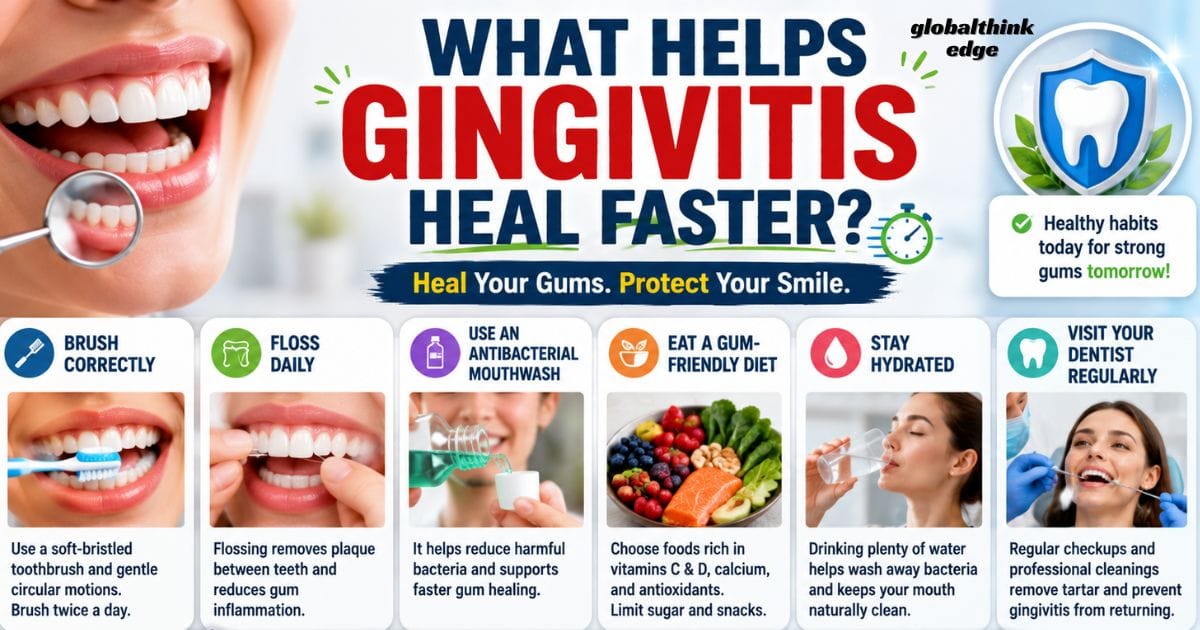
What Helps Gingivitis Heal Faster?
There is no instant cure for gingivitis, but a few habits can speed up recovery and lower the risk of recurrence.
Brush Correctly
Use gentle circular motions instead of scrubbing your teeth aggressively. Proper technique removes plaque more effectively while protecting the gums.
Floss Every Day
Floss reaches areas between the teeth where toothbrush bristles cannot. Removing plaque from these spaces helps reduce inflammation and bleeding.
Consider an antibacterial mouthwash.
Your dentist may recommend an antibacterial mouth rinse to reduce bacteria and support healing. Follow professional advice rather than relying on over-the-counter products without guidance.
Eat a Gum-Friendly Diet
A balanced diet supports healthy gums. Include foods rich in:
Vitamin C
Calcium
Vitamin D
Fresh fruits and vegetables
Lean protein
Reducing sugary snacks and drinks also helps limit plaque formation.
Schedule Regular Dental Checkups
Routine cleanings remove tartar before it causes serious gum problems. Most adults benefit from professional cleanings every six months, although some people may need more frequent visits.
Is It Safe to Smile at Someone with Gingivitis?
For most people, yes. Smiling at someone with gingivitis is generally considered safe because gingivitis itself is not contagious.
However, saliva can carry oral bacteria. If the other person has poor oral hygiene, smokes, or has a weakened immune system, those bacteria may contribute to plaque buildup over time.
Good oral hygiene for both partners greatly reduces this risk. Rather than avoiding normal affection, focus on keeping your mouth healthy.
Can Someone with Gingivitis Perform Oral Sex?
This is a common question, but the answer is not always straightforward.
Gingivitis creates inflamed gum tissue that may bleed easily. Any activity involving contact with bodily fluids carries a potential risk of transmitting certain infections if bleeding is present.
While gingivitis itself is not a sexually transmitted infection, open or bleeding gums can make it easier for some infections to spread.
If your gums bleed frequently or are painful, it is wise to delay intimate oral contact until the inflammation has improved. If you have concerns about sexually transmitted infections, speak with a healthcare professional for personalized advice.
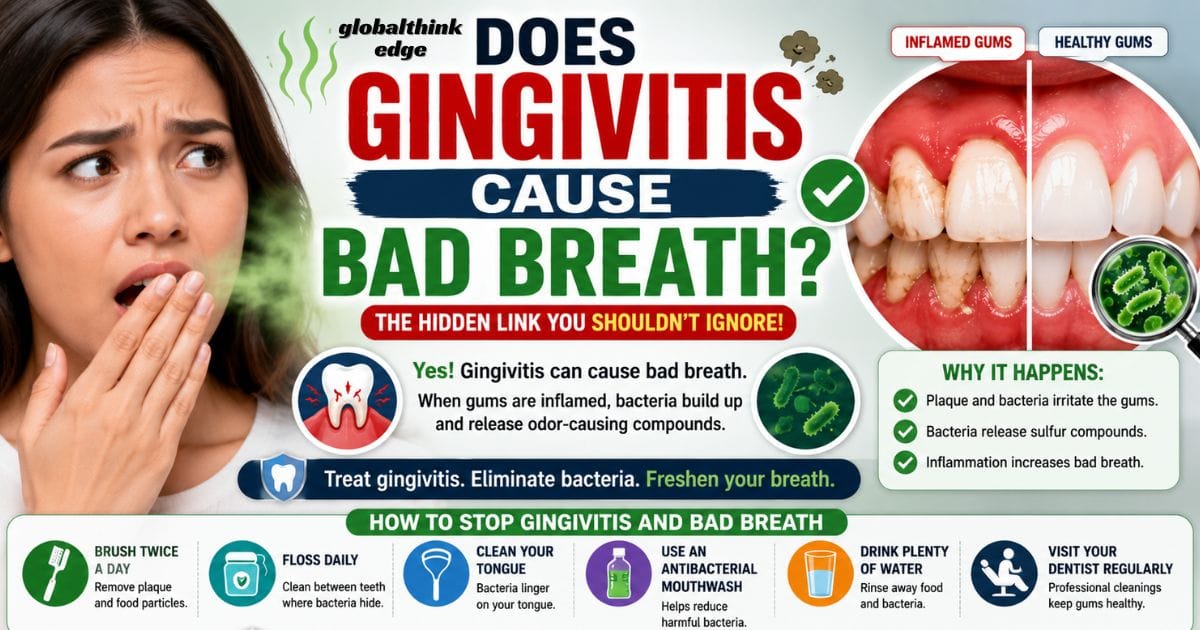
Does Gingivitis Cause Bad Breath?
Yes. Persistent bad breath is one of the earliest and most noticeable signs of gingivitis.
As plaque bacteria break down food particles and proteins, they release sulphur compounds that create an unpleasant odour.
If bad breath continues despite brushing and mouthwash, gum disease may be the underlying cause. Treating gingivitis often improves breath naturally by reducing bacterial buildup.
How to Lower Your Risk of Gingivitis
Preventing gingivitis is much easier than treating advanced gum disease. A few daily habits can make a significant difference.
Build a Consistent Oral Care Routine
Aim to:
Brush twice daily.
Floss once a day.
Clean your tongue regularly.
Drink plenty of water.
Replace worn toothbrushes.
Avoid tobacco.
Smoking and other tobacco products increase plaque buildup, slow healing, and raise the risk of gum disease. Quitting tobacco benefits both your oral and overall health.
Keep Medical Conditions Under Control
Conditions such as diabetes can affect gum health. Managing blood sugar levels and attending regular medical appointments can help reduce your risk of gingivitis.
Visit Your Dentist Regularly
Routine examinations allow dentists to identify gum inflammation before it becomes severe. Early treatment is simpler, less expensive, and more effective.
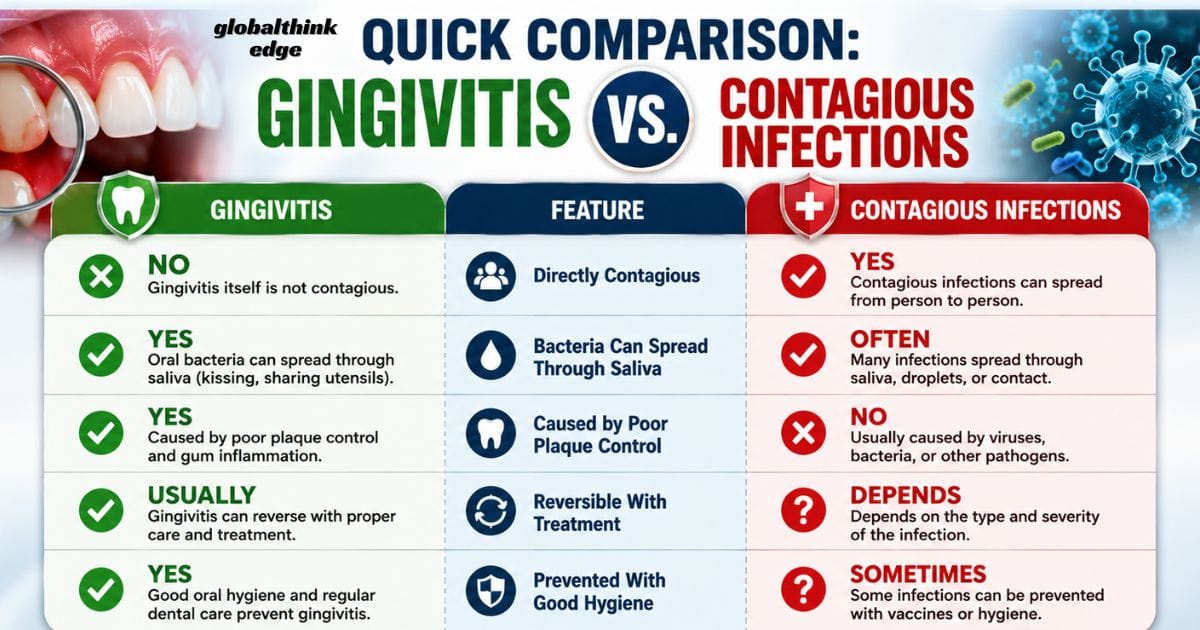
Quick Comparison: Gingivitis vs. Contagious Infections
| Feature | Gingivitis | Contagious Viral or Bacterial Infection |
| Directly contagious | No | Yes |
| Bacteria can spread through saliva | Yes | Often |
| Caused by poor plaque control | Yes | No |
| Reversible with treatment | Usually | Depends on the infection |
| Prevented with oral hygiene | Yes | Sometimes |
Frequently Asked Questions
Is gingivitis contagious through saliva?
The condition itself is not contagious, but saliva can transfer oral bacteria that contribute to plaque formation. Good oral hygiene usually prevents these bacteria from causing disease.
Can my partner give me gingivitis?
Not directly. Your partner may share oral bacteria through close contact, but gingivitis develops only if plaque builds up and gums become inflamed.
Is gingivitis contagious to children?
Parents can pass oral bacteria to children through saliva, but children develop gingivitis only if plaque is allowed to accumulate due to inadequate oral hygiene.
Can gingivitis heal without professional treatment?
Very mild cases may improve with excellent brushing and flossing, but professional dental cleaning is often needed to remove hardened tartar and fully restore gum health.
Will antibiotics cure gingivitis?
Antibiotics are not the standard treatment for uncomplicated gingivitis. Professional cleaning and good oral hygiene are usually enough unless your dentist identifies a more serious infection.
When Should You See a Dentist?
Book a dental appointment if you notice:
Bleeding gums that continue for more than a week
Swollen or painful gums
Persistent bad breath
Gums pulling away from the teeth
Loose teeth
Pain while chewing
Prompt treatment helps prevent gingivitis from progressing to periodontitis, which can permanently damage the tissues supporting your teeth.
Final Thoughts
If you’ve been asking, “Is gingivitis contagious?” evidence is reassuring. Gingivitis itself cannot be passed directly from one person to another. However, the bacteria linked to plaque can spread through saliva, making good oral hygiene important for everyone.
The best protection is simple: brush twice a day, floss daily, eat a balanced diet, and visit your dentist regularly. Early treatment can usually reverse gingivitis completely, helping you maintain healthy gums and a confident smile for years to come.
