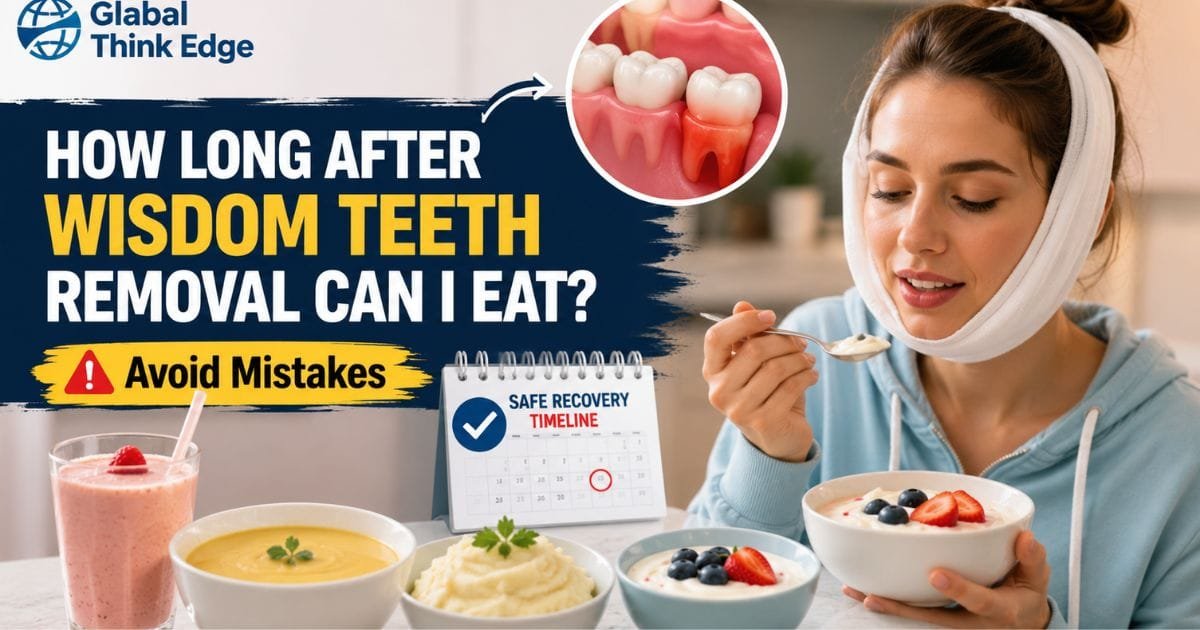
How Long After Wisdom Teeth Removal Can I Eat? Avoid Mistakes
If you’re wondering how long after wisdom teeth removal can I eat, you’re not alone. Eating too soon or choosing the wrong foods can slow healing, increase pain, and even cause dry socket. The good news is that following the right eating timeline can help you recover faster and avoid unnecessary complications.
A blood clot forms immediately after the extraction to protect the healing area, so knowing what to eat and what to avoid is essential during the first few days. In this article, you’ll learn exactly when you can eat, which foods are safest at each stage of recovery, and when it’s safe to return to your normal diet with confidence.
When Can You Eat After Wisdom Teeth Removal?
Most people can have their first meal 2 to 4 hours after surgery, once the effects of the anaesthesia have completely worn off. Eating while your mouth is still numb can cause you to accidentally bite your tongue, lips, or cheeks.
Your first meal should be soft, cool or lukewarm, and easy to swallow. The goal is to avoid putting pressure on the extraction site while your mouth begins to heal.
If your procedure involved local anaesthesia, you can usually eat shortly after the numbness disappears. If you received IV sedation or general anaesthesia, wait until you’re fully awake and follow your dentist’s instructions before eating anything.
Best Foods for Your First Meal
Choose foods that require little or no chewing, such as:
Greek yogurt
Applesauce
Mashed potatoes
Cottage cheese
Smooth pudding
Blended vegetable soup
Mashed avocado
These foods are gentle on your gums and provide nutrients that support the healing process.
Foods to Avoid Immediately After Surgery
Some foods can damage the blood clot or irritate the extraction site during the first 24 hours.
Avoid:
Crunchy snacks
Hot foods and drinks
Spicy meals
Sticky candy
Nuts and seeds
Carbonated beverages
Alcohol
Drinking through a straw
Even a simple habit like using a straw can create suction strong enough to dislodge the blood clot, increasing your risk of dry socket.
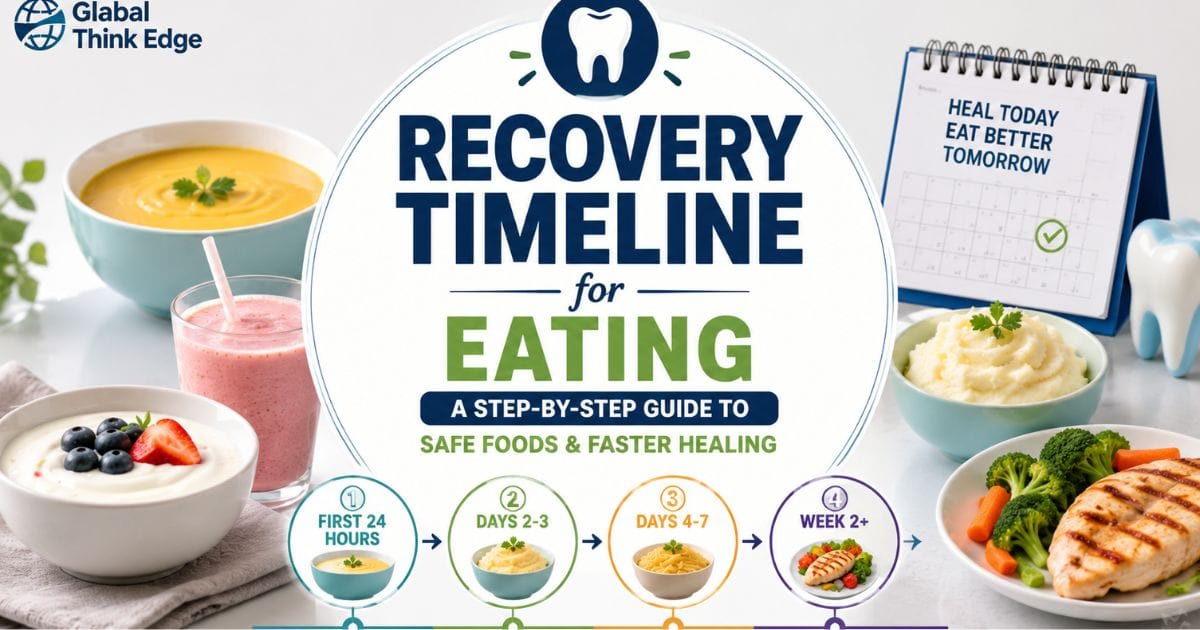
Recovery Timeline for Eating
Every person’s recovery is different, but most people follow a similar eating schedule after wisdom teeth removal.
First 24 Hours
The first day is the most important stage of recovery. Your mouth will likely feel tender, swollen, and slightly numb.
Stick to liquids and very soft foods that don’t require chewing.
Safe choices include:
Yogurt
Applesauce
Smooth soups
Protein shakes (drink from a cup)
Mashed potatoes
Pudding
Ice cream without crunchy toppings
Drink plenty of water throughout the day to stay hydrated, but avoid sipping through a straw.
Days 2–3
Swelling often reaches its highest point during the second or third day. Although you may still experience mild discomfort, you can slowly introduce foods with a soft texture.
Good options include:
Scrambled eggs
Oatmeal
Soft pasta
Mashed sweet potatoes
Cottage cheese
Well-cooked noodles
Blended lentil soup
Chew on the opposite side of your mouth whenever possible to avoid placing pressure on the healing area.
Days 4–7
By the fourth day, many people notice less swelling and improved comfort. If your recovery is progressing normally, you can begin adding slightly firmer foods.
Consider eating:
Soft fish
Tender shredded chicken
Macaroni and cheese
Steamed vegetables
Soft pancakes
Well-cooked rice, if your dentist approves
Take small bites and stop eating any food that causes pain. Returning to softer meals for another day or two is perfectly normal if your mouth still feels sensitive.
After One Week
Many patients can begin eating most everyday foods after seven to ten days. However, if your wisdom teeth were impacted or your surgery was more complex, your recovery may take up to two weeks.
Listen to your body instead of rushing back to your regular diet. Comfort while chewing is one of the best signs that healing is progressing well.
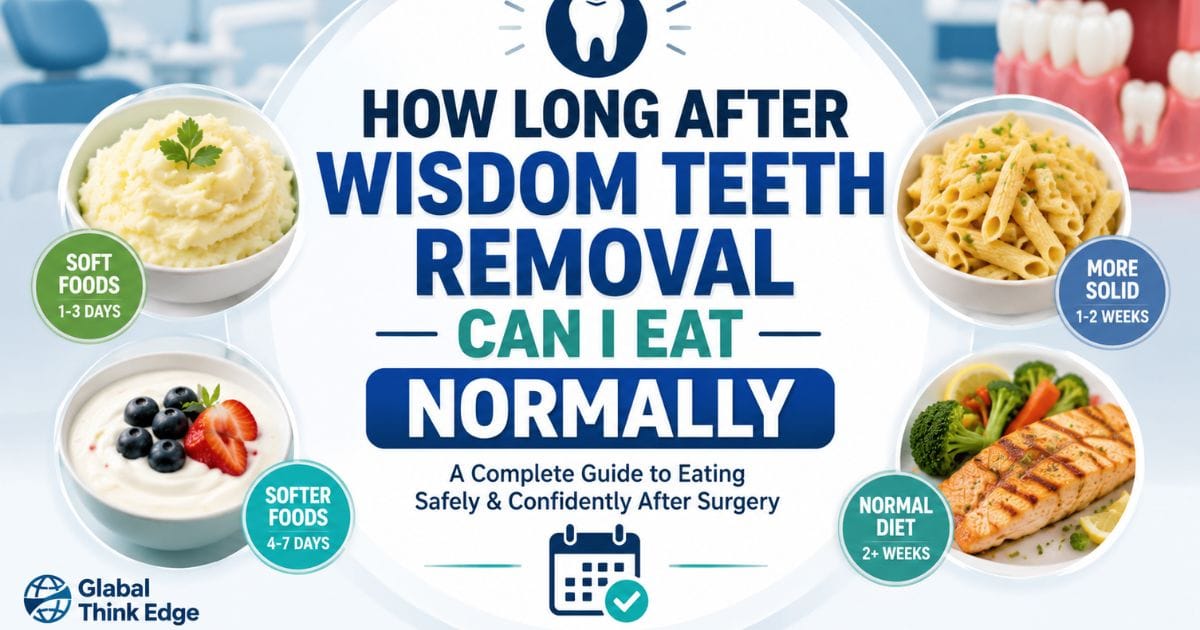
How Long After Wisdom Teeth Removal Can I Eat Normally?
One of the most common concerns is how long after wisdom teeth removal can I eat normally?
For most healthy adults, the answer is between 7 and 14 days. Simple extractions usually heal faster than impacted wisdom teeth because the procedure causes less trauma to the surrounding gum and bone.
Rather than focusing only on the number of days, pay attention to how your mouth feels. You may be ready to return to regular foods when:
Swelling has almost disappeared.
Chewing feels comfortable.
There is no ongoing bleeding.
The extraction site is becoming less tender.
Your dentist confirms that healing is progressing normally.
Everyone heals at a different pace, so avoid comparing your recovery with someone else’s experience.
Recovery Timeline at a Glance
| Recovery Stage | Safe Foods | Foods to Avoid |
| First 24 Hours | Yogurt, soup, mashed potatoes, pudding | Chips, popcorn, spicy foods |
| Days 2–3 | Eggs, oatmeal, soft pasta | Toast, nuts, seeds |
| Days 4–7 | Soft fish, chicken, steamed vegetables | Hard candy, crunchy snacks |
| Week 2 | Most regular foods | Very hard or sharp foods if soreness remains |
How Long After Wisdom Teeth Removal Can I Eat Chips?
If you’re craving crunchy snacks, it’s best to be patient. How long after wisdom teeth removal can I eat chips? In most cases, dentists recommend waiting at least two weeks before eating chips.
Chips have sharp edges that can injure healing gum tissue or disturb the blood clot. Small pieces can also become trapped inside the extraction socket, increasing irritation and making the area harder to clean.
If your wisdom teeth were impacted or required stitches, your dentist may advise waiting three to four weeks before eating crunchy foods.
Before reaching for a bag of chips, make sure:
You can chew without discomfort.
Swelling has completely resolved.
The extraction site no longer feels sensitive.
Your dentist has not given you any additional dietary restrictions.
If you’re unsure, waiting a few extra days is always the safer choice.
Foods That Support Faster Healing
Eating soft foods is important, but choosing nutritious foods is equally beneficial. Your body needs protein, vitamins, and minerals to repair gum tissue and reduce inflammation.
Include foods rich in:
Protein: Eggs, Greek yoghurt, tofu, cottage cheese, and soft fish.
Vitamin C: Mashed fruits and blended smoothies enjoyed from a cup.
Zinc: Lentils, beans, dairy products, and eggs.
Healthy Fluids: Water, milk, and clear broths to maintain hydration.
A balanced diet helps your body heal naturally while giving you the energy needed during recovery.
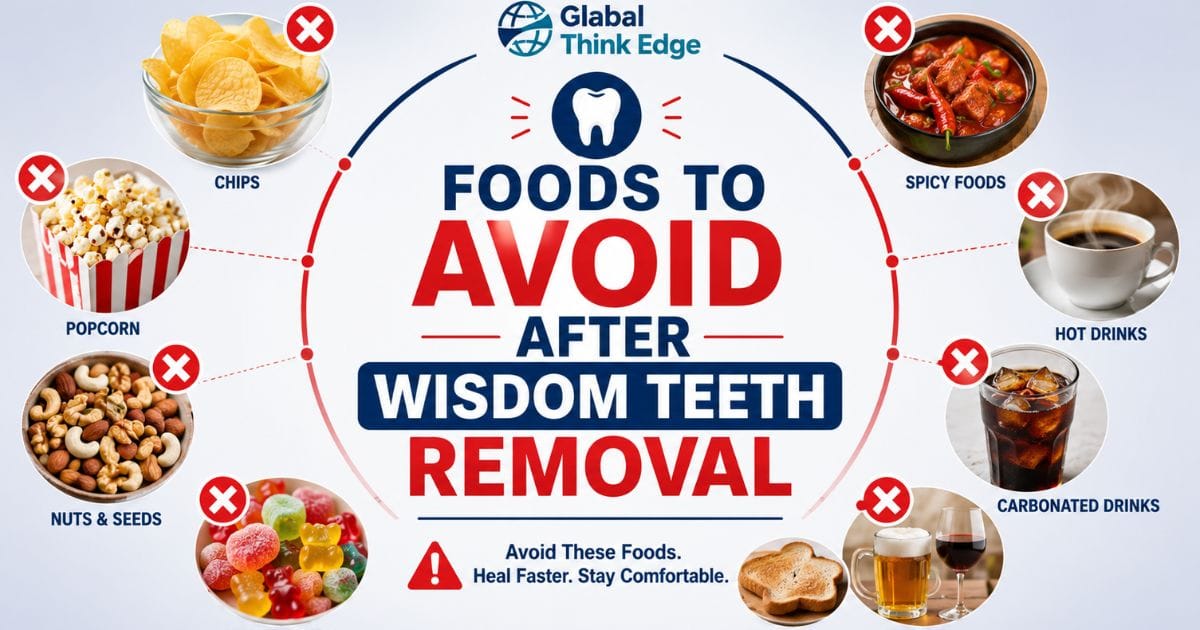
Foods to Avoid After Wisdom Teeth Removal
Knowing what not to eat is just as important as choosing the right foods. During the first few days, your gums are still healing, and the protective blood clot needs time to stay in place. Eating the wrong foods too early can slow recovery and increase the risk of complications.
Avoid these foods until your dentist says it’s safe:
Potato chips and crackers
Popcorn
Nuts and seeds
Sticky candy or chewing gum
Spicy foods
Very hot drinks
Hard bread or toast
Tough meat
Carbonated beverages
Alcohol
Small food particles, such as rice or seeds, can also become trapped in the extraction site during the early stages of healing. If this happens, don’t try to remove them with sharp objects. Follow your dentist’s cleaning instructions instead.
Do’s and Don’ts for a Smooth Recovery
Simple daily habits can make a noticeable difference in how quickly your mouth heals.
Do
Drink plenty of water throughout the day.
Eat soft, nutrient-rich meals.
Take medications exactly as prescribed.
Rest during the first 24 to 48 hours.
Gently rinse with warm salt water after the first day if your dentist recommends it.
Brush your teeth carefully while avoiding the extraction area.
Don’t
Smoke or vape during recovery.
Drink through a straw.
Touch the extraction site with your fingers or tongue.
Exercise heavily during the first few days.
Eat crunchy or sticky foods before your gums are ready.
Following these simple precautions can reduce discomfort and lower your chances of developing dry socket.
Can I Eat Pizza 72 Hours After Wisdom Teeth Removal?
Pizza is one of the foods many people miss after surgery, but it’s usually too early to eat it after 72 hours.
Although swelling often starts to improve by the third day, pizza still requires significant chewing. The crust can be hard, the cheese may stick to your teeth, and toppings can irritate the healing gums.
If you’re recovering well, you may be able to try soft, thin-crust pizza after 7 to 10 days, but only if chewing feels comfortable.
For patients with impacted wisdom teeth, waiting about two weeks is generally the safer choice.
What Can You Eat on Day 4?
By the fourth day, most people can enjoy a wider variety of soft foods without placing too much stress on the extraction site.
Some excellent meal ideas include:
Breakfast
Scrambled eggs
Oatmeal
Greek yogurt with mashed banana
Lunch
Creamy vegetable soup
Soft pasta
Mashed potatoes with shredded chicken
Dinner
Soft-baked fish
Macaroni and cheese
Steamed vegetables
Healthy Snacks
Applesauce
Cottage cheese
Pudding
Avocado
Yogurt
If any food causes pain, wait another day or two before trying it again.
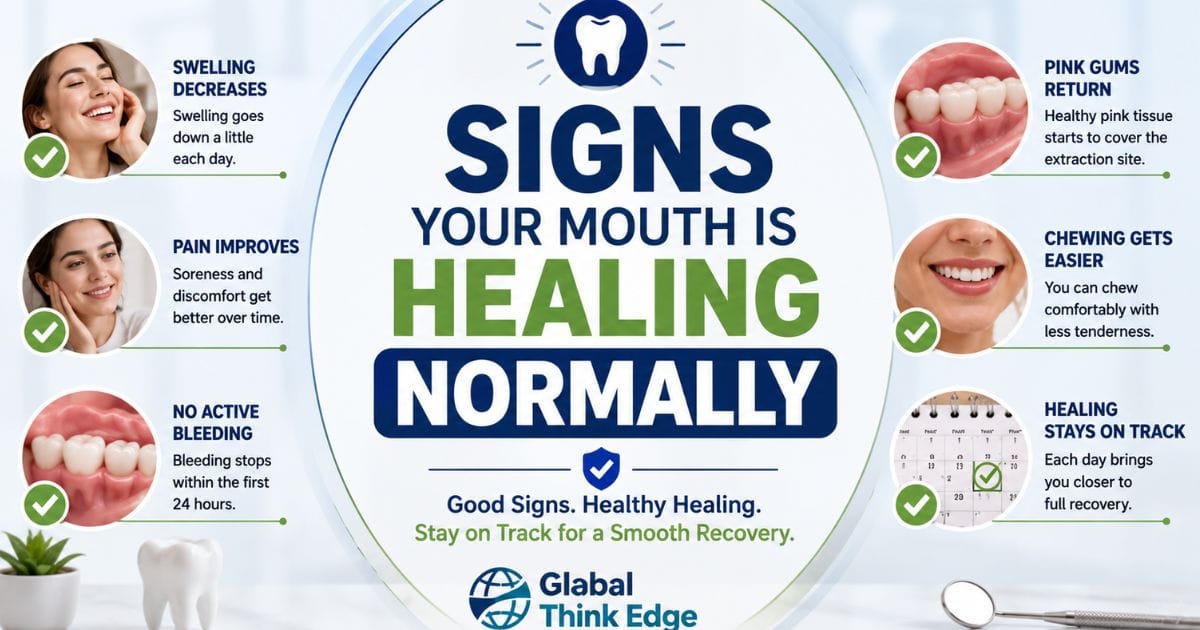
Signs Your Mouth Is Healing Normally
Most people recover without any serious problems. Knowing what normal healing looks like can help you feel more confident during recovery.
Healthy signs include:
Swelling gradually decreases after the third day.
Mild soreness improves each day.
Bleeding stops within the first 24 hours.
Pink gum tissue begins covering the extraction site.
Chewing becomes more comfortable over time.
Remember that while your gums may feel normal within a couple of weeks, the bone underneath continues healing for several months.
When Should You Contact Your Dentist?
Some symptoms should never be ignored.
Call your dentist if you notice:
Heavy bleeding that doesn’t stop.
Severe pain that suddenly becomes worse after a few days.
Fever or chills.
Pus or a bad taste that doesn’t go away.
Swelling that continues increasing after three days.
Difficulty swallowing or breathing.
Early treatment can prevent more serious complications and help you recover safely.
Frequently Asked Questions
How long after wisdom teeth removal can I eat normally?
Most people return to their normal diet within 7 to 14 days, depending on the complexity of the extraction and how well they heal.
How long after wisdom teeth removal can I eat chips?
Wait at least two weeks before eating chips. If your surgery was more complex, your dentist may recommend waiting even longer.
Can I eat rice after wisdom teeth removal?
It’s better to avoid rice during the first few days because small grains can become trapped in the extraction socket. Soft, well-cooked rice can usually be added back once healing progresses.
Why is day three usually the most uncomfortable?
Inflammation often peaks between 48 and 72 hours after surgery. Mild swelling and soreness during this period are normal and usually improve afterwards.
Is food getting stuck in the socket normal?
Yes. Small food particles may occasionally collect in the socket while it heals. Follow your dentist’s cleaning instructions and avoid using sharp objects to remove debris.
When can I drink coffee again?
Most dentists recommend waiting 24 to 48 hours before drinking coffee. When you do, let it cool slightly to avoid irritating the extraction site.
Key Takeaways
Wait until the numbness wears off before eating.
Stick to soft foods during the first few days.
Avoid chips, popcorn, nuts, and crunchy snacks until your gums heal.
Most people return to a normal diet within 7–14 days.
Drink water regularly, but don’t use a straw.
Contact your dentist if you experience severe pain, fever, or persistent bleeding.
Final Thoughts
Understanding how long after wisdom teeth removal can I eat helps you recover with confidence and avoid unnecessary setbacks. While soft foods are the safest choice during the first few days, gradually introducing firmer meals as your mouth heals allows you to return to your regular diet comfortably.
Be patient with the healing process, follow your dentist’s advice, and choose nutritious foods that support recovery. Taking these simple steps can reduce discomfort, protect the extraction site, and help you get back to normal eating as quickly and safely as possible.
