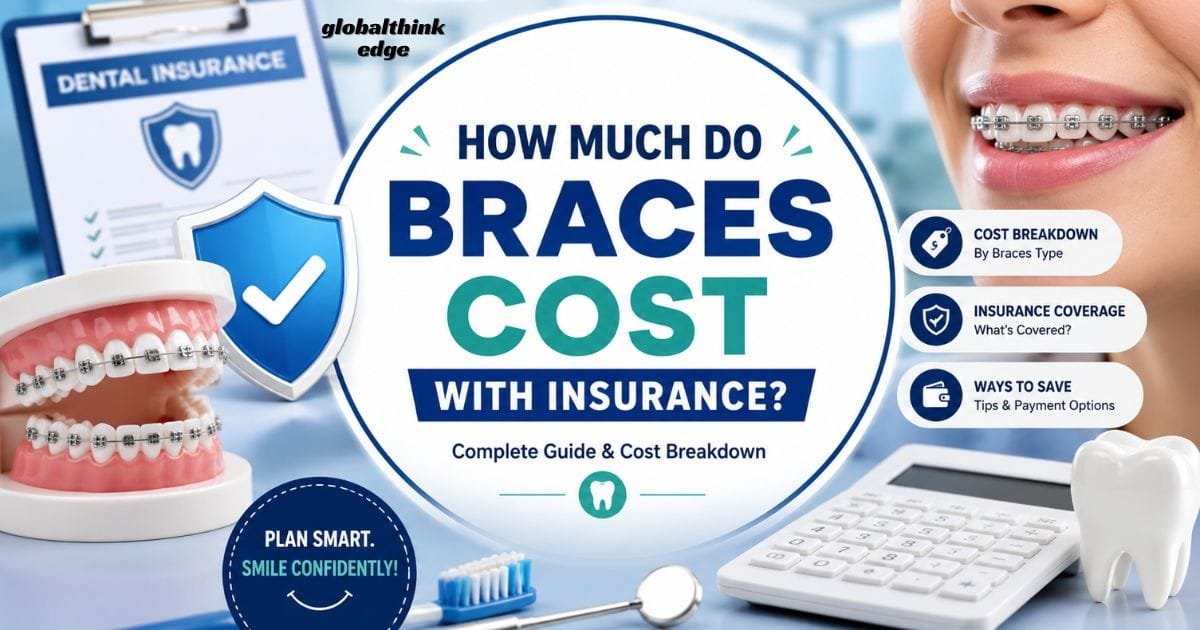
How Much Do Braces Cost With Insurance? Guide 2026
How Much Do Braces Cost With Insurance?
If you’re planning orthodontic treatment, one of the first questions that comes to mind is how much do braces cost with insurance. The answer depends on several factors, including the type of braces, your dental insurance plan, your orthodontist’s fees, and whether you’re receiving treatment as a child or an adult.
In most cases, dental insurance does not pay the entire cost of braces. Instead, it usually covers a percentage of the treatment or offers a lifetime orthodontic benefit. Even so, having insurance can reduce your out-of-pocket expenses by hundreds or even thousands of dollars.
This guide explains average braces costs, insurance coverage, factors that affect pricing, and practical ways to save money. Whether you’re considering traditional braces or clear aligners, you’ll have a better understanding of what to expect before starting treatment.
Average Cost of Braces With Insurance
The cost of braces varies from one patient to another because every orthodontic treatment plan is unique. Mild spacing issues usually cost less than severe bite problems that require longer treatment.
Here’s a general estimate of braces costs in the United States.
| Braces Type | Average Cost Before Insurance | Average Cost After Insurance |
| Metal Braces | $3,000–$7,000 | $1,500–$5,000 |
| Ceramic Braces | $4,000–$8,500 | $2,500–$6,500 |
| Lingual Braces | $8,000–$13,000 | $6,000–$10,500 |
| Clear Aligners | $3,500–$8,000 | $2,000–$6,000 |
These figures are estimates. Your actual cost depends on your insurance policy, treatment complexity, and orthodontist’s pricing.
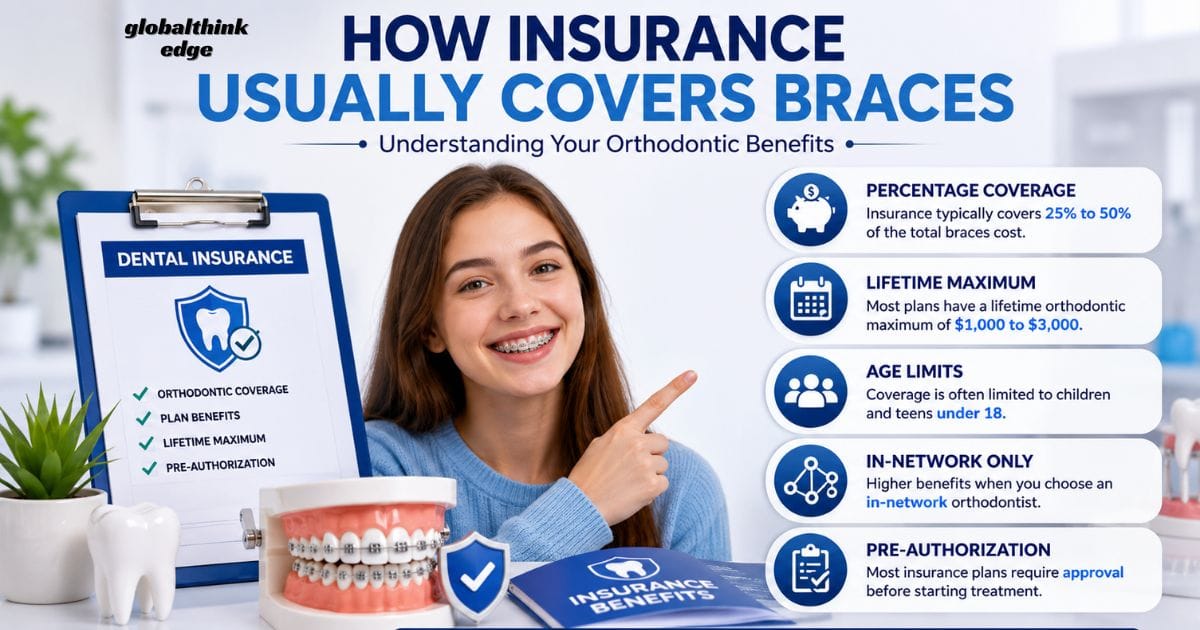
How Insurance Usually Covers Braces
Orthodontic insurance benefits work differently from standard dental benefits.
Many plans include:
Coverage of 25% to 50% of treatment costs
A lifetime orthodontic maximum, often between $1,000 and $3,000
Coverage primarily for children under 18
Partial coverage for adults on selected plans
Monthly payments released throughout treatment instead of one lump sum
Because every insurer has different rules, it’s always a good idea to verify your benefits before starting treatment.
Adults vs. Children
Insurance plans generally provide better orthodontic benefits for children because braces are often considered medically appropriate during growth.
Adults can still receive insurance coverage, but the following apply:
Fewer plans include adult orthodontics.
Lifetime benefit limits are often the same regardless of age.
Adults may pay a larger share of the treatment cost.
Before choosing a provider, ask whether adult orthodontic benefits are included in your plan.
How Much Do Braces Cost Without Insurance?
If you don’t have dental insurance, you’ll need to pay the full treatment cost. Fortunately, many orthodontists offer flexible payment options that make braces more affordable.
Average costs without insurance include:
Metal braces: $3,000–$7,000
Ceramic braces: $4,000–$8,500
Lingual braces: $8,000–$13,000
Clear aligners: $3,500–$8,000
These estimates usually include regular adjustment appointments but may not include every additional service.
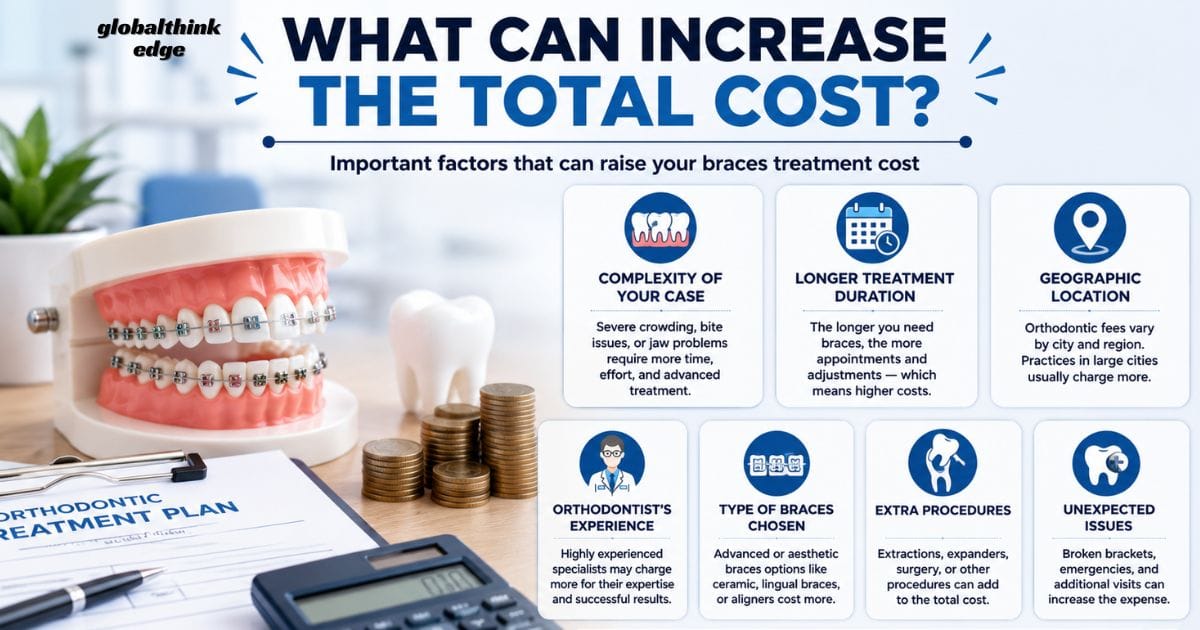
What Can Increase the Total Cost?
Several factors influence your final treatment bill.
These include:
Complex bite correction
Longer treatment duration
Tooth extractions before braces
Jaw alignment issues
Replacement of broken brackets or wires
Premium orthodontic materials
Geographic location
Orthodontist’s level of experience
Understanding these factors helps you compare treatment plans more accurately instead of focusing only on the initial quote.
Braces Cost Breakdown by Type
Not all braces are priced the same. The materials used, treatment complexity, and appearance all affect the final cost.
Traditional Metal Braces
Metal braces remain the most popular and affordable option.
Best for:
Children
Teenagers
Adults seeking the lowest overall cost
Moderate to severe orthodontic problems
Pros
Lowest treatment cost
Highly effective
Durable
Suitable for complex cases
Cons
Most visible option
Requires regular adjustments
Ceramic Braces
Ceramic braces function like metal braces but use tooth-coloured brackets that blend with your natural teeth.
Best for:
Adults
Older teenagers
Patients concerned about appearance
Pros
Less noticeable
Effective for many orthodontic cases
Cons
Higher cost
Brackets may stain without proper care
Slightly more delicate than metal braces
Lingual Braces
Lingual braces are attached behind the teeth, making them almost invisible from the front.
Pros
Hidden appearance
Customized treatment
Cons
Highest treatment cost
Longer adjustment period
More difficult to clean
May temporarily affect speech
Self-Ligating Braces
Self-ligating braces use specialized clips instead of elastic bands.
Potential benefits include the following:
Easier cleaning
Reduced friction
Fewer adjustment appointments
Comfortable treatment experience
Costs are generally similar to ceramic braces depending on the orthodontist.
Clear Aligners
Clear aligners have become increasingly popular among adults because they are removable and discreet.
They’re ideal for:
Mild to moderate alignment problems
Professionals
College students
Patients wanting nearly invisible treatment
However, they require excellent compliance because they must be worn for 20 to 22 hours each day.
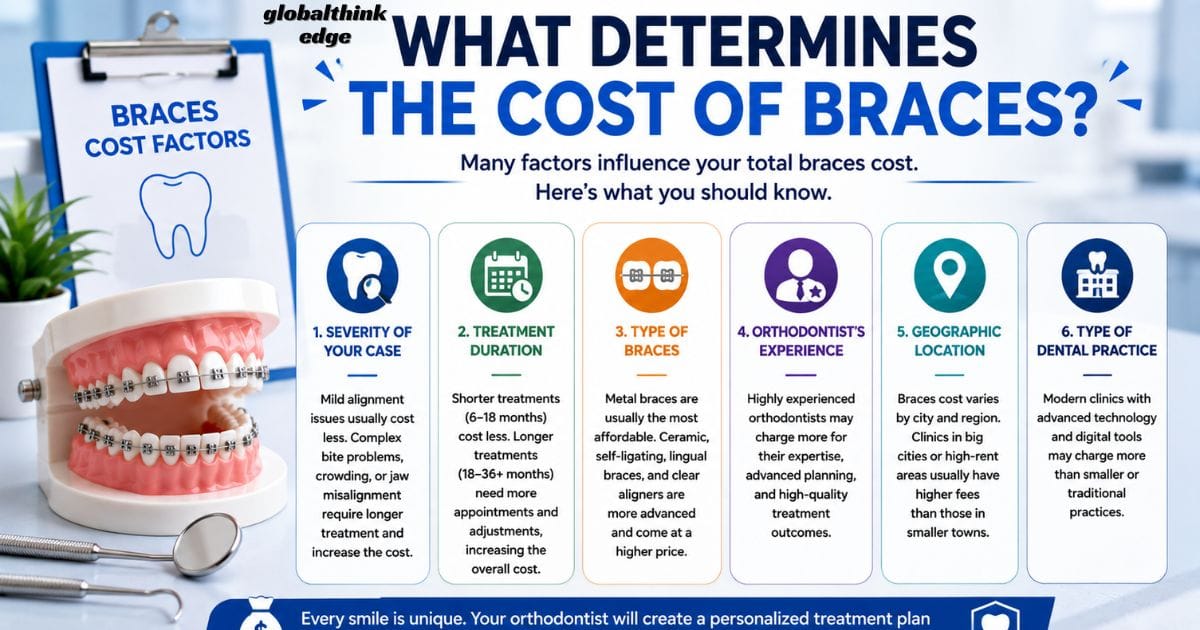
What Determines the Cost of Braces?
Many people assume braces have a fixed price, but orthodontic treatment is highly personalized. Several factors influence your total investment.
Severity of Your Orthodontic Problem
Simple alignment corrections usually require fewer appointments and shorter treatment, reducing overall costs.
More complex issues such as overbites, underbites, crossbites, or severe crowding often require longer treatment plans.
Treatment Length
Braces typically remain on the teeth for:
Mild cases: 12–18 months
Moderate cases: 18–24 months
Complex cases: 24–36 months
Longer treatment generally means higher costs.
Type of Braces
Premium orthodontic systems cost more because they use advanced materials and customised treatment planning.
For example:
Metal braces are usually the least expensive.
Ceramic braces cost more.
Lingual braces are often the most expensive.
Clear aligners vary depending on treatment complexity.
Orthodontist’s Experience
Highly experienced orthodontists may charge higher fees, especially for complex cases requiring specialized expertise.
Although the initial cost may be higher, experienced providers can often deliver more predictable treatment outcomes.
Geographic Location
Treatment costs vary significantly between cities and regions.
Practices in large metropolitan areas generally have higher operating costs, which may increase orthodontic fees compared with smaller towns.
Crucial Insurance Rules You Should Know
Before beginning treatment, it’s important to understand how orthodontic insurance actually works. Many patients assume insurance covers every expense, only to discover important limitations later.
Some of the most common insurance rules include:
Lifetime orthodontic benefit limits
Waiting periods before treatment begins
Age restrictions for dependents
In-network provider requirements
Pre-treatment approval from the insurer
Percentage-based reimbursement instead of full payment
Reviewing these details before signing your treatment agreement can help you avoid unexpected expenses.
Lifetime Orthodontic Maximum
Unlike regular dental benefits that reset annually, orthodontic coverage often comes with a one-time lifetime maximum.
For example, if your policy has a lifetime benefit of $2,000, the insurance company will never pay more than that amount for orthodontic treatment, regardless of how long treatment lasts.
Waiting Periods and Coverage Restrictions
Some dental insurance plans require you to wait 6 to 12 months before orthodontic benefits become available. If treatment begins before the waiting period ends, your claim may be denied.
Other common restrictions include:
Adult orthodontics may not be covered.
Cosmetic-only treatment is often excluded.
Some plans cover only in-network orthodontists.
Pre-authorisation may be required before treatment starts.
Always request a written estimate of your benefits before committing to treatment.
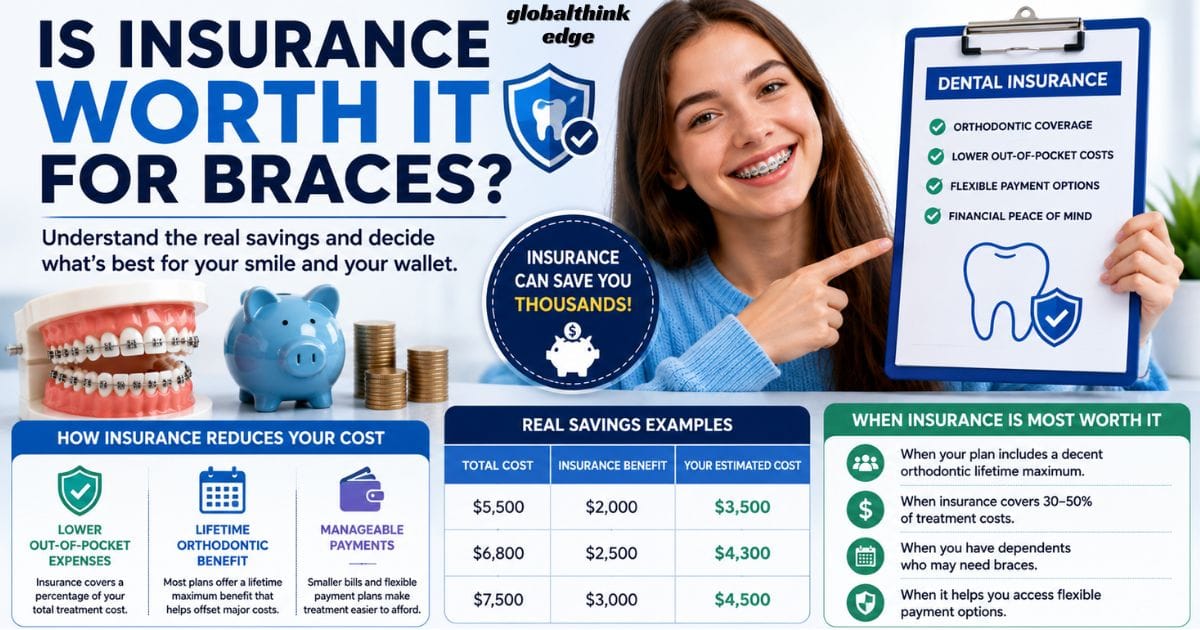
Is Insurance Worth It for Braces?
For many families, the answer is yes. While insurance rarely pays the entire cost, it can significantly reduce your out-of-pocket expenses.
For example:
| Treatment Cost | Insurance Benefit | Your Estimated Cost |
| $5,500 | $2,000 | $3,500 |
| $6,800 | $2,500 | $4,300 |
| $7,500 | $3,000 | $4,500 |
If your employer offers orthodontic coverage as part of a dental plan, it is often worth taking advantage of it.
Smart Ways to Pay Less for Braces
Insurance is only one way to lower treatment costs. Many orthodontic clinics offer flexible options that make braces more affordable.
Some of the best ways to save include the following:
Monthly interest-free payment plans
Flexible Spending Accounts (FSA)
Health Savings Accounts (HSA)
Dental discount plans
University dental schools
Community dental clinics
Seasonal promotions and family discounts
Comparing treatment quotes from multiple orthodontists can also help you find better value without compromising quality.
What Is the Cheapest Price to Get Braces?
Traditional metal braces are usually the most affordable option.
In some cases, treatment can start at around $3,000 before insurance. However, choosing a clinic based only on the lowest price isn’t always the best decision.
Extremely low-cost treatment may involve:
Limited follow-up appointments
Older orthodontic technology
Fewer treatment options
Hidden fees later in treatment
Instead of looking for the cheapest braces, focus on finding an experienced orthodontist who provides transparent pricing and quality care.
Is $10,000 Too Much for Braces?
Not necessarily.
A treatment cost of $10,000 may be reasonable if it includes the following:
Complex bite correction
Severe jaw alignment problems
Lingual braces
Advanced digital treatment planning
Long treatment duration
Retainers and follow-up care
However, if you’re quoted $10,000 for a straightforward case, it’s wise to seek a second opinion before making a decision.
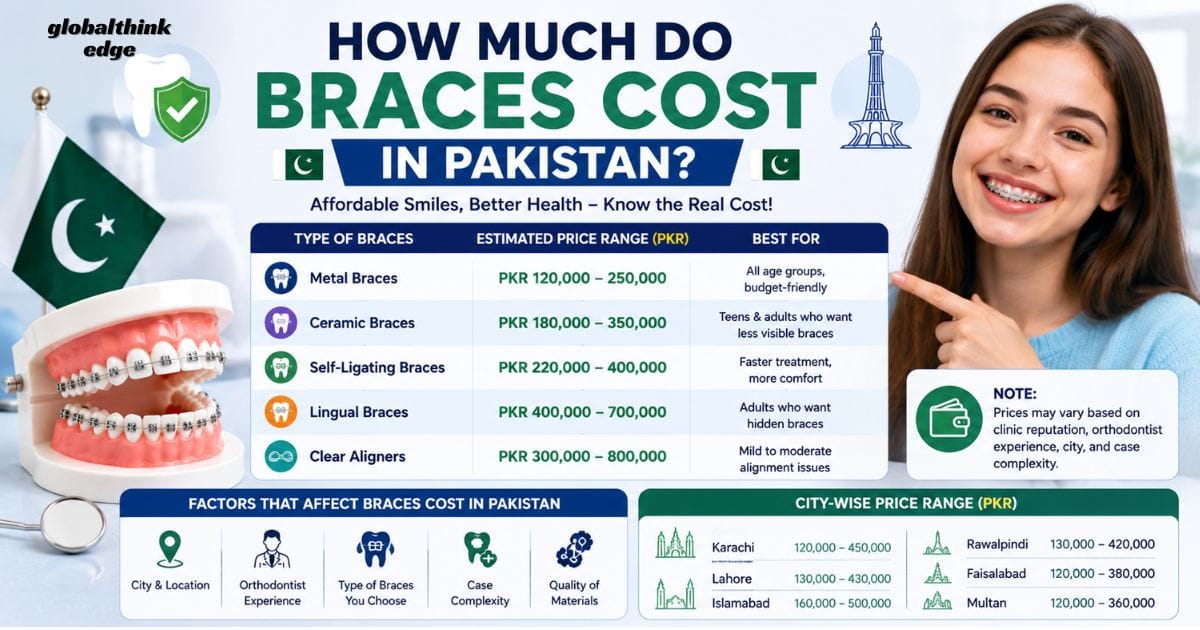
How Much Do Braces Cost in Pakistan?
Orthodontic treatment in Pakistan is generally more affordable than in countries like the United States, Canada, or the United Kingdom. Prices vary depending on the clinic, city, and type of braces selected.
Average Braces Cost in PKR
| Braces Type | Estimated Price (PKR) |
| Metal Braces | 120,000–250,000 |
| Ceramic Braces | 180,000–350,000 |
| Self-Ligating Braces | 220,000–400,000 |
| Lingual Braces | 400,000–700,000 |
| Clear Aligners | 300,000–800,000 |
These figures are approximate and may differ between clinics.
Why Do People Get Braces?
Braces do more than improve your smile. Properly aligned teeth can also enhance long-term oral health.
Common reasons include:
Correcting crooked teeth
Fixing overcrowding
Treating gaps between teeth
Improving bite alignment
Reducing uneven tooth wear
Making brushing and flossing easier
Boosting confidence
Many patients notice improvements in both appearance and oral function after treatment.
Types of Braces Available
Today’s orthodontic treatments offer several options to suit different budgets and lifestyle needs.
Metal Braces: Affordable and highly effective.
Ceramic Braces: Less noticeable than metal.
Self-Ligating Braces: Designed for smoother tooth movement.
Lingual Braces: Hidden behind the teeth.
Clear Aligners: Removable and nearly invisible.
Your orthodontist can recommend the most suitable option based on your dental condition and treatment goals.
What Affects Braces’ Cost in Pakistan?
Several factors influence treatment pricing, including:
City where treatment is provided
Orthodontist’s qualifications
Clinic reputation
Imported versus locally sourced materials
Treatment complexity
Length of treatment
Digital scanning technology
These factors explain why quotes can vary even for similar cases.
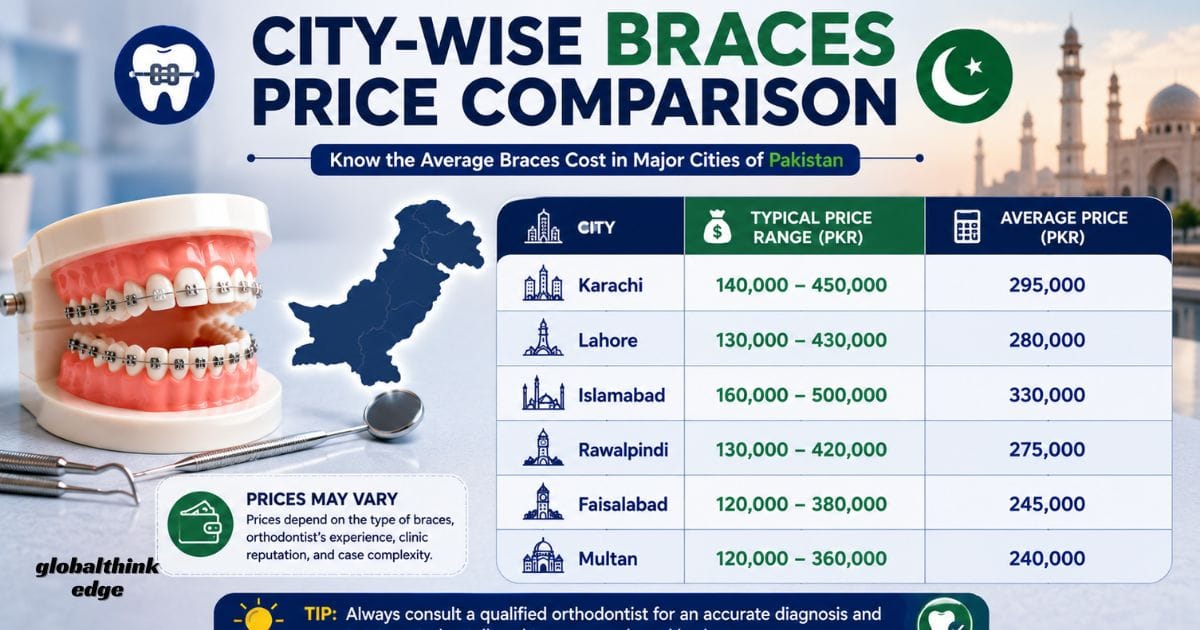
City-Wise Braces Price Comparison
| City | Typical Price Range (PKR) |
| Karachi | 140,000–450,000 |
| Lahore | 130,000–430,000 |
| Islamabad | 160,000–500,000 |
| Rawalpindi | 130,000–420,000 |
| Faisalabad | 120,000–380,000 |
| Multan | 120,000–360,000 |
Major cities often charge more because of higher operating costs and access to advanced orthodontic technology.
Public vs. Private Dental Clinics
| Feature | Public Clinics | Private Clinics |
| Cost | Lower | Higher |
| Waiting Time | Usually Longer | Usually Shorter |
| Technology | Basic to Moderate | Advanced |
| Appointment Flexibility | Limited | More Flexible |
| Personalized Care | Varies | Often More Individualized |
Public clinics may be suitable for patients with limited budgets, while private practices typically provide a wider range of treatment options.
Additional Costs You Should Expect
The quoted price for braces may not include every service.
Possible additional expenses include:
Initial consultation
Dental X-rays
Digital scans
Tooth extractions
Professional cleaning
Emergency repairs
Replacement brackets
Retainers after treatment
Ask your orthodontist for a detailed written treatment estimate so you understand exactly what’s included.
Are Braces Covered by Insurance in Pakistan?
Orthodontic coverage in Pakistan is less common than in many Western countries.
Some employer-sponsored or international health insurance plans may offer partial orthodontic benefits, while many standard dental plans exclude braces altogether.
Before beginning treatment:
Confirm orthodontic coverage.
Ask about annual or lifetime limits.
Check whether your clinic is part of the insurer’s network.
Request a written explanation of benefits.
This helps avoid unexpected expenses later.
Choosing the Right Orthodontist
Price is important, but quality of care should also influence your decision.
Look for an orthodontist who:
Has recognized orthodontic qualifications
Uses modern diagnostic technology
Explains treatment clearly
Offers transparent pricing
Provides flexible payment options
Has positive patient reviews
Maintains good communication throughout treatment
Scheduling consultations with two or three providers can help you compare treatment recommendations before making a final choice.
Expert Advice for Braces in 2026
Orthodontics continues to evolve with digital technology, improving both accuracy and patient comfort.
Before starting treatment:
Compare more than one treatment plan.
Verify your insurance benefits.
Ask for a complete cost breakdown.
Understand the expected treatment timeline.
Discuss retainer costs before braces are removed.
Choose an orthodontist based on experience, not price alone.
A well-planned treatment approach often delivers better long-term results and fewer unexpected expenses.
Frequently Asked Questions
How much do braces cost with insurance?
Most patients pay $1,500 to $5,000 after insurance, depending on the type of braces and the benefits included in their dental plan.
How much do braces cost without insurance?
Treatment generally ranges from $3,000 to $13,000, depending on the orthodontic system and case complexity.
Does dental insurance fully cover braces?
No. Most plans provide partial coverage or a lifetime orthodontic benefit rather than paying the full cost.
Is $10,000 too much for braces?
Not always. Complex treatments, lingual braces, or extensive orthodontic care may legitimately cost around $10,000.
What is the cheapest way to get braces?
Traditional metal braces are usually the most affordable option. Payment plans, dental schools, and insurance can also reduce costs.
How much do braces cost in Pakistan?
Depending on the type of braces and clinic, treatment typically ranges from PKR 120,000 to PKR 800,000.
Final Thoughts
Understanding how much do braces cost with insurance allows you to plan your treatment with confidence. While insurance rarely covers every expense, it can substantially reduce the overall cost. Comparing orthodontists, reviewing your insurance benefits, and exploring flexible payment options can help you receive high-quality treatment without exceeding your budget.
Instead of choosing the lowest price, focus on finding an experienced orthodontist who offers transparent pricing, modern treatment methods, and a personalized care plan. A healthy, well-aligned smile is a long-term investment that benefits both your appearance and your oral health.
