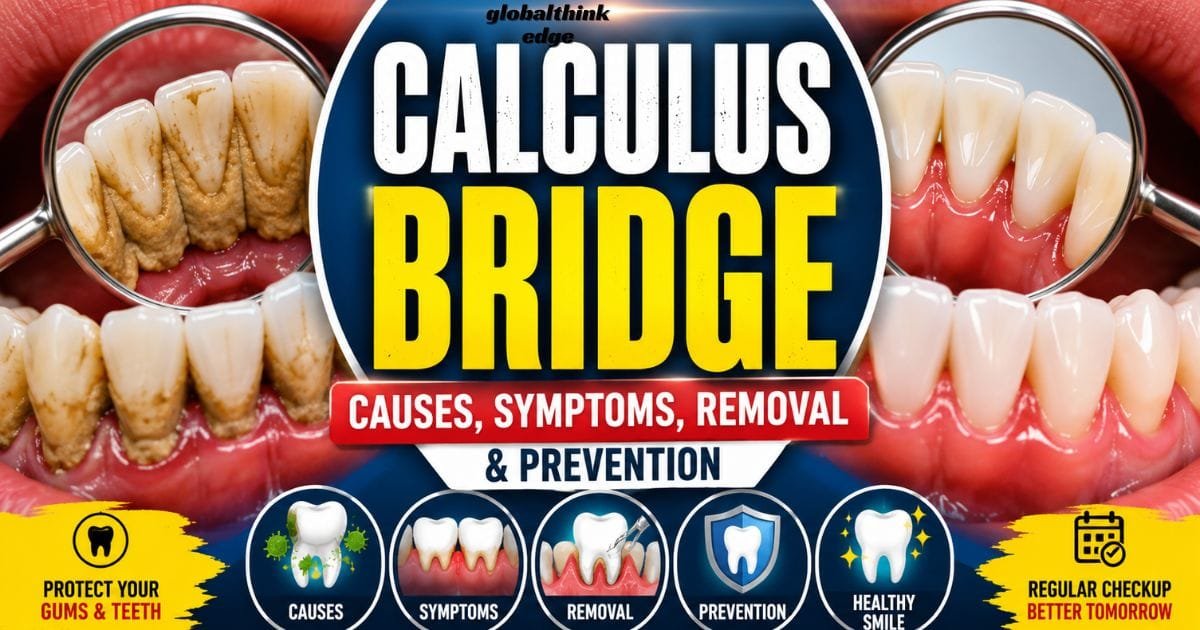
Calculus Bridge: Causes, Symptoms, Removal, and Prevention
What Is a Calculus Bridge? Understanding This Serious Dental Problem
A calculus bridge is a thick band of hardened tartar that connects two or more teeth, usually near the gumline. Unlike soft plaque, which can be removed through daily brushing and flossing, calculus is mineralised plaque that firmly sticks to the teeth. Once it develops into a bridge, it becomes a safe hiding place for bacteria, making it much harder to maintain good oral hygiene.
Many people mistake calculus bridges for food debris or tooth discolouration. However, it is actually a sign that plaque has been left on the teeth long enough to harden into tartar. Without professional treatment, the buildup continues to grow, increasing the risk of gum disease, persistent bad breath, cavities, and even tooth loss.
The good news is that a calculus bridge dental condition is preventable and treatable. Learning how it develops, recognizing the warning signs, and seeking timely dental care can protect both your oral health and your smile.
Quick Answer: A calculus bridge is a large deposit of hardened tartar that spans multiple teeth. It cannot be removed with brushing alone and requires professional dental scaling to prevent gum disease and other oral health complications.
How Does a Calculus Bridge Form?
A calculus bridge does not appear overnight. It develops gradually through several stages as plaque remains on the teeth and hardens over time.
Stage 1: Plaque Begins to Build Up
After eating or drinking, bacteria combine with saliva and food particles to create a sticky film called plaque. This film starts forming within hours and coats the surfaces of your teeth.
If plaque is removed every day through brushing and flossing, it rarely causes serious problems.
Stage 2: Plaque Hardens into Calculus
When plaque stays on the teeth for several days, minerals naturally present in saliva begin hardening it. This process creates dental calculus, commonly known as tartar.
Unlike plaque, tartar bonds tightly to the tooth surface and cannot be removed with a toothbrush.
Stage 3: The Deposit Continues Growing
The rough surface of calculus attracts even more plaque and bacteria. Layer upon layer builds up, making the deposit thicker and darker.
Over time, the hardened tartar may spread beneath the gumline, increasing irritation and inflammation.
Stage 4: A Calculus Bridge Develops
As tartar continues accumulating, it may extend between neighbouring teeth and eventually connect them, forming a calculus bridge. At this stage, professional dental treatment becomes essential.
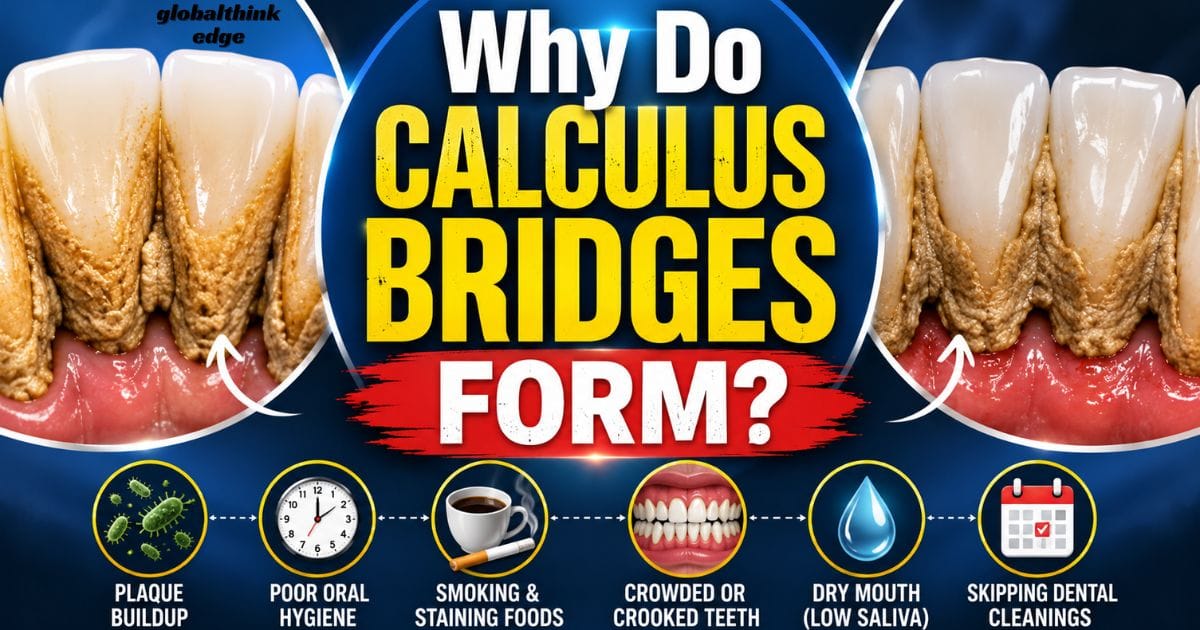
Why Do Calculus Bridges Form?
Although poor oral hygiene is the leading cause, several other factors can increase your risk.
Common causes include:
Inadequate brushing or flossing
Missing regular dental cleanings
Smoking or chewing tobacco
Dry mouth caused by medications or medical conditions
Crowded or overlapping teeth
Wearing braces or orthodontic appliances
Frequent consumption of sugary foods and drinks
Naturally high mineral content in saliva
Previous history of gum disease
Some people naturally produce tartar faster than others. Even with good brushing habits, they may require professional cleanings more frequently to prevent excessive buildup.
Who Is Most at Risk of Developing a Calculus Bridge?
Anyone can develop hardened tartar, but certain groups face a higher risk.
You may be more likely to develop a calculus bridge teeth condition if you
Smoke or use tobacco products
Have diabetes or uncontrolled blood sugar
Wear braces or permanent retainers
Experience chronic dry mouth
Have crowded teeth that are difficult to clean
Skip routine dental check-ups
Are older and have a history of tartar buildup
Identifying these risk factors early allows you and your dentist to create a preventive care plan before severe tartar develops.
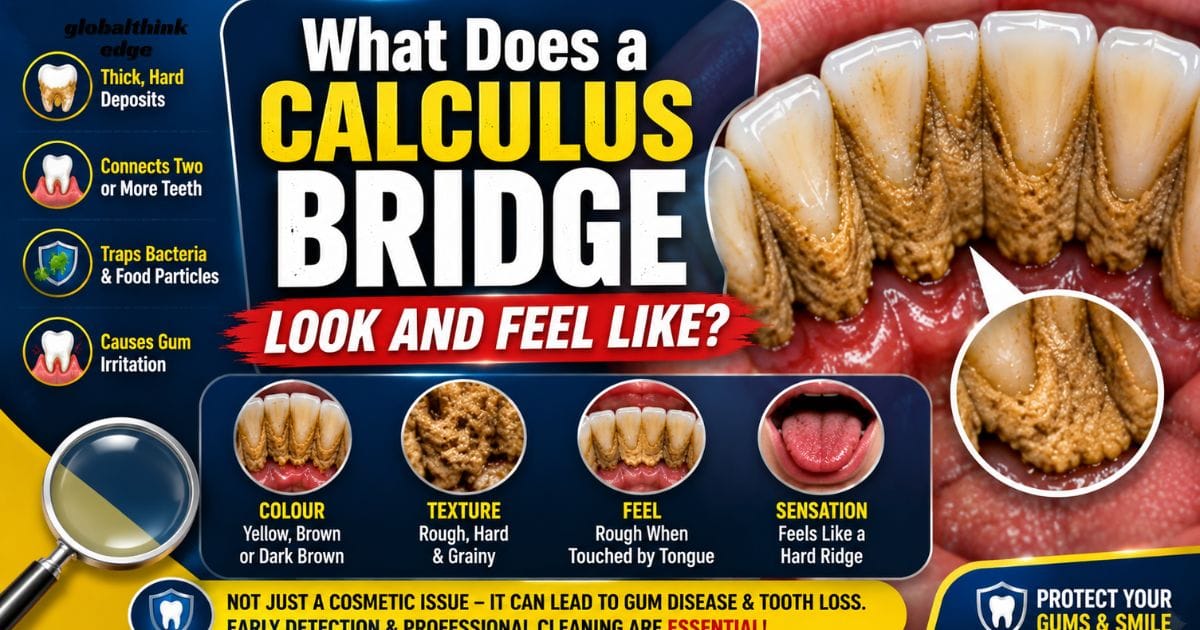
What Does a Calculus Bridge Look and Feel Like?
The appearance of a calculus bridge changes depending on how long it has been present.
In its early stages, it may appear as a thin yellow deposit near the gums. As it absorbs stains from coffee, tea, tobacco, or certain foods, it often becomes dark brown or even black.
People commonly describe a calculus bridge as the following:
Hard and rough
Thick and firmly attached
Extending across several teeth
Difficult or impossible to remove with brushing
Rough enough to feel with the tongue
Many patients notice the rough texture before they actually see the buildup in the mirror.
Signs and Symptoms of a Calculus Bridge
A calculus bridge itself may not hurt initially, but the bacteria trapped around it often irritate the surrounding gums.
Watch for these warning signs:
Persistent bad breath
Bleeding while brushing or flossing
Red, swollen gums
Tenderness near the gumline
Tooth sensitivity
Gum recession
Visible yellow or brown deposits
Food frequently becoming trapped
An unpleasant taste in the mouth
As gum disease progresses, you may also notice loose teeth or discomfort while chewing.
Ignoring these symptoms allows bacteria to continue damaging the gums and the bone that supports your teeth.
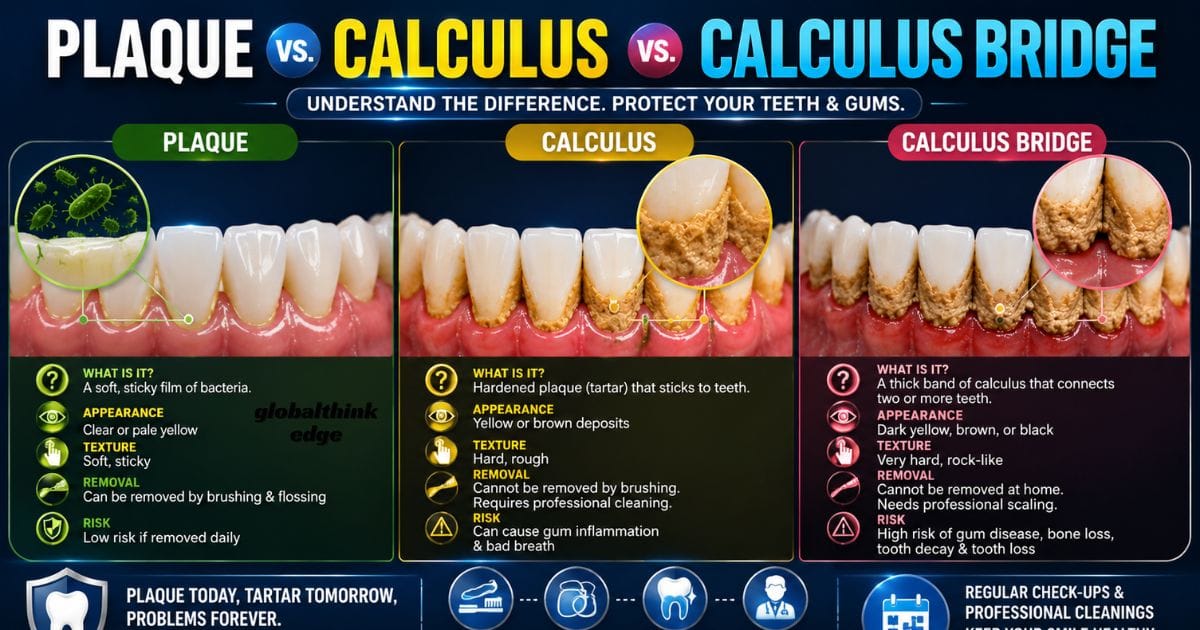
Plaque vs. Calculus vs. Calculus Bridge
Understanding the difference between these three conditions helps explain why professional treatment becomes necessary.
| Feature | Plaque | Dental Calculus | Calculus Bridge |
| Formation | Develops daily | Forms when plaque hardens | Forms after extensive tartar buildup |
| Texture | Soft and sticky | Hard | Thick, rock-hard deposit |
| Colour | Clear or pale yellow | Yellow or brown | Brown, dark brown, or black |
| Home Removal | Yes | No | No |
| Professional Treatment Needed | Usually not | Yes | Yes |
| Risk to Gum Health | Low if removed daily | Moderate | High |
The longer plaque remains on your teeth, the greater the chance it will become hardened calculus and eventually develop into a calculus bridge.
Is a Calculus Bridge Dangerous?
Yes. A calculus bridge is more than a cosmetic concern.
The rough surface continuously traps bacteria, making it almost impossible to clean effectively at home. As bacteria multiply, they release toxins that irritate the gums and gradually damage the tissues supporting the teeth.
If left untreated, complications may include:
Gingivitis
Periodontitis
Gum recession
Bone loss around the teeth
Loose teeth
Tooth decay
Persistent bad breath
Difficulty chewing
Tooth loss in severe cases
Treating the problem early helps prevent long-term damage and often avoids more extensive dental procedures.
Does a Vitamin Deficiency Cause a Calculus Bridge?
Many people believe vitamin deficiencies directly cause tartar buildup, but this is a myth.
A calculus bridge develops because plaque remains on the teeth long enough to harden into calculus. Vitamins do not create tartar.
However, certain nutrients play an important role in maintaining healthy gums.
For example:
Vitamin C supports gum healing and may reduce bleeding caused by inflammation.
Vitamin D helps maintain healthy bones and supports immune function.
Calcium contributes to strong teeth but does not cause tartar deposits.
Vitamin K2 works with vitamin D to support overall oral health.
While eating a balanced diet benefits your mouth, it cannot replace daily brushing, flossing, and professional dental cleanings.
Expert Tip
Even if you brush twice a day, you can still develop a calculus bridge if plaque is consistently missed between the teeth or along the gumline. Regular dental examinations and professional cleanings remain the most effective way to stop tartar before it becomes a serious problem.
How Dentists Diagnose a Calculus Bridge
Diagnosing a calculus bridge is usually straightforward because the hardened deposits are often visible during a routine dental examination. However, your dentist will also check whether the buildup has affected your gums or the supporting bone around your teeth.
A complete examination may include:
A visual inspection of your teeth and gums
Using a dental explorer to detect hardened tartar
Measuring gum pockets to identify periodontal disease
Dental X-rays if hidden calculus or bone loss is suspected
Checking for loose teeth and gum recession
Early diagnosis is important because treating a calculus bridge before severe gum disease develops usually leads to a faster recovery and better long-term oral health.
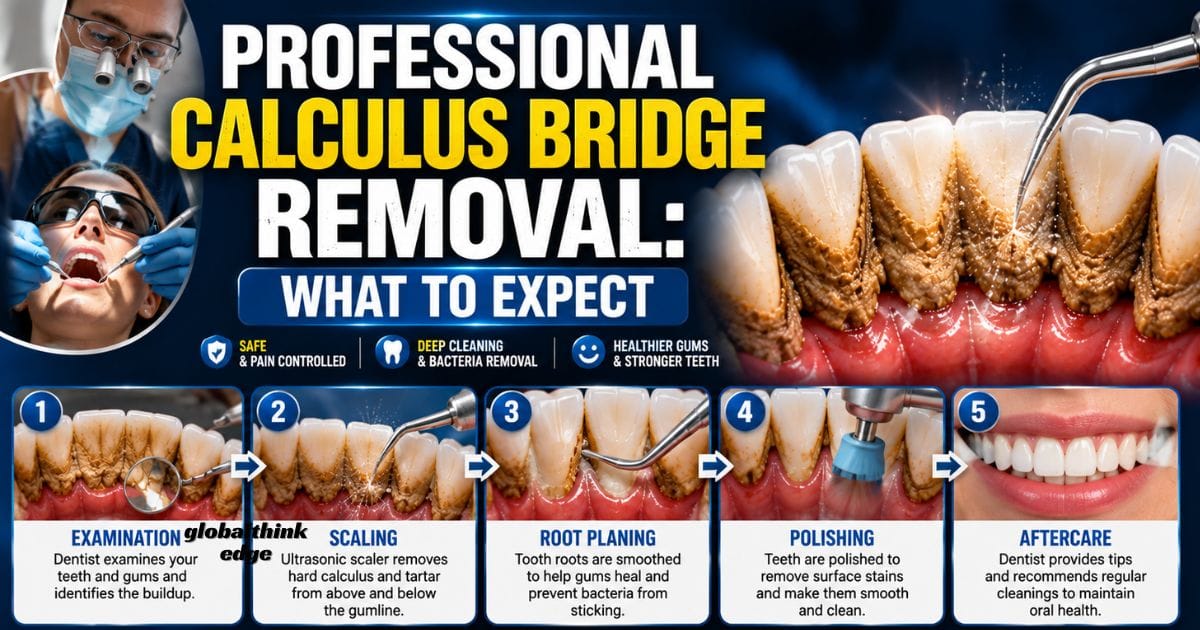
Professional Calculus Bridge Removal: What to Expect
Once tartar hardens into a calculus bridge, home remedies are no longer effective. The safest and most reliable treatment is professional removal by a dentist or dental hygienist.
Dental Scaling
Scaling is the most common procedure used to remove hardened calculus.
Dentists use ultrasonic scalers that vibrate gently to loosen large tartar deposits. Hand instruments are then used to remove any remaining calculus from difficult-to-reach areas.
This procedure removes bacteria and restores a cleaner tooth surface.
Root Planing
If bacteria have spread below the gumline, root planing may also be recommended.
This deep-cleaning procedure smooths the tooth roots, helping the gums reattach to the teeth while making it harder for bacteria to collect again.
Tooth Polishing
After the calculus bridge has been removed, your teeth are polished to eliminate surface stains and create a smoother surface that slows future plaque buildup.
Follow-Up Visits
Patients with advanced gum disease or heavy tartar accumulation may require additional maintenance cleanings every three to four months instead of the standard six-month interval.
Is Calculus Bridge Removal Painful?
Many people delay treatment because they worry about pain.
In reality, most patients describe the procedure as uncomfortable rather than painful.
If the calculus bridge is extensive or extends beneath the gums, your dentist may use a local anaesthetic to keep you comfortable throughout the treatment.
After the procedure, you may notice:
Mild tooth sensitivity
Slight gum soreness
Temporary bleeding
Sensitivity to cold drinks or hot foods
These symptoms generally improve within a few days as the gums begin healing.
Can You Remove a Calculus Bridge at Home?
The simple answer is no.
Unlike plaque, hardened calculus cannot be removed with brushing, flossing, baking soda, vinegar, charcoal toothpaste, or internet DIY methods.
Trying to scrape it away yourself can lead to:
Damaged tooth enamel
Cuts to the gums
Infection
Increased tooth sensitivity
Incomplete tartar removal
Professional dental instruments are specially designed to remove calculus safely without harming your teeth.
If you suspect you have a calculus bridge, scheduling a dental appointment is far safer than attempting home treatment.
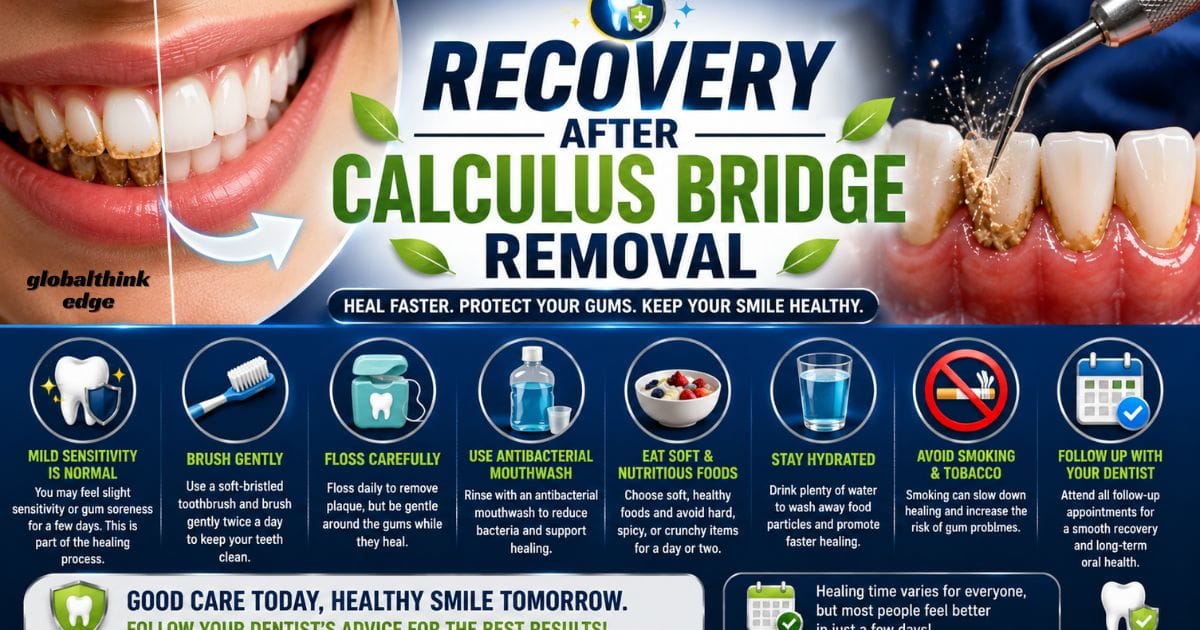
Recovery After Calculus Bridge Removal
Recovery is usually quick, especially when treatment is performed before advanced gum disease develops.
To help your mouth heal:
Brush gently using a soft-bristled toothbrush.
Floss carefully every day.
Rinse with an antibacterial mouthwash if advised.
Avoid smoking during recovery.
Drink plenty of water.
Choose softer foods for the first day if your gums feel tender.
Continue attending follow-up appointments.
Healthy gums often begin improving within a few days, while deeper periodontal tissues may take several weeks to recover completely.
How to Prevent a Calculus Bridge
Prevention is always easier and less expensive than treatment.
Following a consistent oral care routine significantly reduces your risk of developing a calculus bridge.
Daily Prevention Checklist
Brush twice every day using fluoride toothpaste.
Brush for at least two minutes.
Clean between your teeth with floss or interdental brushes.
Replace your toothbrush every three months.
Limit sugary snacks and soft drinks.
Drink enough water to support saliva production.
Avoid smoking and tobacco products.
Visit your dentist for professional cleanings every six months or as recommended.
Small daily habits make a significant difference in preventing tartar buildup.
Common Myths About Calculus Bridges
Many misconceptions about tartar can delay proper treatment.
| Myth | Fact |
| Brushing harder removes calculus. | Hardened calculus requires professional scaling. |
| Mouthwash dissolves tartar. | Mouthwash helps reduce bacteria but cannot remove calculus. |
| A calculus bridge is only a cosmetic issue. | It increases the risk of gum disease and tooth loss. |
| If it doesn’t hurt, it isn’t serious. | Many calculus bridges develop without pain until damage has already occurred. |
| Home scraping is safe. | DIY removal can permanently damage your teeth and gums. |
Understanding these facts helps you make better decisions about your oral health.
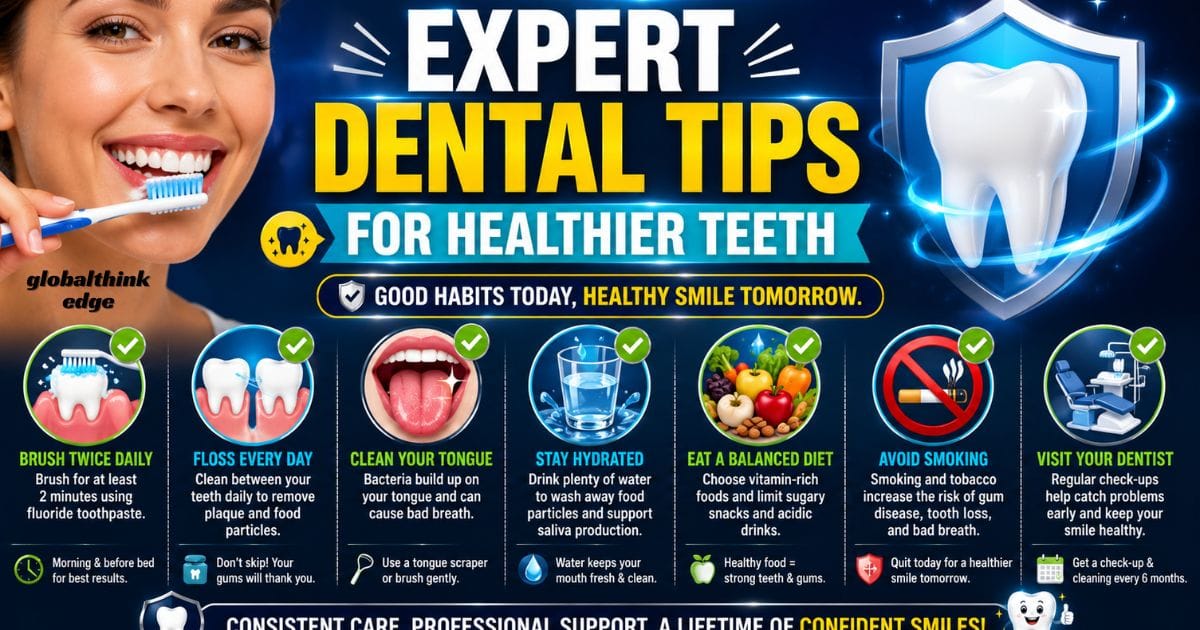
Expert Dental Tips for Healthier Teeth
Dental professionals often recommend these habits to reduce tartar formation:
Angle your toothbrush towards the gumline at approximately 45 degrees.
Brush your tongue daily to reduce bacteria.
Floss before brushing to loosen debris.
Drink water after meals when brushing is not possible.
Attend routine dental examinations even if your teeth feel healthy.
These simple practices improve plaque removal and reduce the chance of hardened calculus developing.
When Should You See a Dentist?
Do not wait for severe pain before seeking treatment.
Arrange a dental appointment if you notice:
Thick yellow, brown, or black deposits
Bleeding gums that continue for several days
Persistent bad breath
Swollen or receding gums
Loose teeth
Pain while chewing
Increasing tooth sensitivity
A rough deposit that brushing cannot remove
Prompt treatment usually prevents more serious dental complications and helps preserve your natural teeth.
Warning Signs That Should Never Be Ignored
Some symptoms indicate that the condition may already be affecting your gums or supporting bone.
Seek dental care as soon as possible if you experience:
Continuous gum bleeding
Severe gum swelling
Pus around the gums
Teeth becoming loose
Difficulty chewing
Persistent bad breath despite brushing
Visible tartar spreading across several teeth
Gum recession exposing the tooth roots
Early treatment is usually simpler, less invasive, and more successful than waiting until significant damage has occurred.
Long-Term Outlook After Treatment
Most patients experience excellent results after professional calculus bridge removal, especially when treatment is combined with improved oral hygiene.
Healthy gums often begin healing within a few days, while deeper tissues may take several weeks to recover fully. Regular maintenance appointments help ensure that tartar does not build up again.
The long-term outlook depends largely on your daily oral care routine. Consistent brushing, flossing, and routine professional cleanings significantly reduce the likelihood of developing another calculus bridge.
Key Takeaways
A calculus bridge is far more than hardened tartar on the teeth. It is an advanced buildup of mineralised plaque that can connect multiple teeth and create an ideal environment for harmful bacteria. Without treatment, it can lead to gingivitis, periodontal disease, gum recession, bone loss, persistent bad breath, and even tooth loss.
Fortunately, the condition is both preventable and treatable. Brushing twice a day, cleaning between the teeth daily, limiting sugary foods, avoiding tobacco, and visiting your dentist regularly are the most effective ways to keep tartar under control. Once a calculus bridge has formed, professional dental scaling remains the safest and most effective solution.
Taking action early not only protects your teeth but also supports healthier gums and a stronger smile for years to come.
Final Thoughts
A calculus bridge is one of the clearest signs that plaque has been left untreated for too long. While it may appear to be only a cosmetic issue, the bacteria hidden within hardened tartar can silently damage the gums and the bone supporting your teeth.
The encouraging news is that modern dentistry can remove calculus bridge dental build-up safely and effectively. Combining professional treatment with consistent daily oral care dramatically reduces the risk of future problems.
If you’ve noticed a rough yellow, brown, or black deposit that doesn’t disappear with brushing, don’t ignore it. Scheduling a dental examination early can help prevent complications and preserve your natural teeth for the future.
Frequently Asked Questions
How long does it take for a calculus bridge to form?
Plaque can begin hardening into tartar within 24 to 72 hours if it is not removed. However, developing a noticeable calculus bridge usually takes several weeks or months, depending on oral hygiene habits, saliva composition, diet, and individual risk factors.
Can brushing remove a calculus bridge?
No. Brushing is effective for removing soft plaque, but it cannot remove hardened calculus. Once a calculus bridge has formed, professional dental scaling is the only safe and effective treatment.
Can a calculus bridge cause bad breath?
Yes. A calculus bridge traps bacteria, food debris, and plaque. These bacteria produce sulphur compounds that are a common cause of persistent bad breath (halitosis).
Can a calculus bridge make teeth loose?
Yes. If left untreated, the bacteria around a calculus bridge can damage the gums and supporting bone. Over time, this may cause teeth to become loose or even fall out.
Does every tartar buildup become a calculus bridge?
No. Small tartar deposits do not always develop into a calculus bridge. Regular professional cleanings remove calculus before it becomes extensive enough to connect multiple teeth.
Can children develop a calculus bridge?
Although it is more common in adults, children and teenagers with poor oral hygiene or orthodontic appliances can also develop heavy tartar deposits if plaque is not removed regularly.
How often should teeth be professionally cleaned?
Most dentists recommend professional cleaning every six months. People with gum disease, heavy tartar buildup, braces, or a history of periodontal problems may benefit from cleanings every three to four months.
Can a calculus bridge return after treatment?
Yes. Removing the existing calculus bridge does not prevent new tartar from forming. Maintaining good oral hygiene and attending regular dental check-ups are essential to reduce the risk of recurrence.
