
Unveiling Blockchain Bitclassic: Hidden Facts Revealed
What Is BitClassic?
BitClassic was an abandoned cryptocurrency project presented around 2018 as a Bitcoin-related blockchain initiative and promoted as the “Second Generation of Bitcoin.” Today, BitClassic is no longer an active or maintained blockchain project, and its token is not considered an actively tradable cryptocurrency.
The project is mainly relevant as a historical example of an early Bitcoin fork and cryptocurrency project that failed to maintain an active network. Anyone researching BitClassic today should focus on its historical background rather than treating it as a current blockchain opportunity.
BitClassic at a Glance
| Detail | Information |
| Project | BitClassic |
| Token | B2C |
| Category | Bitcoin-related cryptocurrency project |
| Approximate period | Around 2018 |
| Market status | Inactive |
| Network status | Abandoned |
| Current trading | No established active market |
| Original positioning | “Second Generation of Bitcoin” |
| Original domain | bitclassic.org |
| Present relevance | Historical and research purposes |
These details help separate the original BitClassic project from websites, tokens, or services that may currently use a similar name.
The History Behind BitClassic
BitClassic emerged during the period when cryptocurrency projects frequently attempted to build alternatives, forks, and extensions around Bitcoin’s technology. The project positioned itself as a new generation of Bitcoin rather than simply presenting itself as another ordinary cryptocurrency.
Its historical importance comes from that positioning. During the rapid expansion of blockchain projects in the late 2010s, many networks attempted to differentiate themselves through alternative technology, transaction models, branding, or broader claims about improving existing cryptocurrencies.
BitClassic was one of the projects associated with that period. However, it did not develop into a lasting blockchain ecosystem.
What Happened to BitClassic?
BitClassic is now considered an abandoned project. The network is no longer maintained as an active cryptocurrency ecosystem, and the original B2C token does not have an established active trading market.
This means users should not treat old BitClassic descriptions, archived announcements, or historical cryptocurrency listings as evidence that the project remains operational.
A major reason historical cryptocurrency research can become confusing is that old project pages can remain indexed online even after development stops. A listing can therefore describe what a cryptocurrency once intended to do rather than what it actually does today.
Was BitClassic a Bitcoin Fork?
BitClassic was associated with the Bitcoin-fork ecosystem and was promoted as a Bitcoin-related project. However, the important point for current researchers is its historical status, not an assumption that an active Bitcoin-derived network still exists today.
Bitcoin forks can have very different outcomes. Some continue development and maintain functioning networks, while others lose developers, users, exchanges, infrastructure, and community support.
BitClassic falls into the latter historical category.
What Does B2C Mean?
B2C was the token designation associated with BitClassic. It should not automatically be confused with other cryptocurrencies or modern projects that use the same abbreviation.
Because BitClassic is no longer an active project, references to B2C should be interpreted within its historical BitClassic context. Claims about current prices, trading opportunities, wallets, or investment potential require particular caution.
An old token symbol does not prove that a cryptocurrency remains active.
Is BitClassic Still Active?
No. BitClassic is not an active, maintained blockchain project.
Available historical information identifies BitClassic as an abandoned cryptocurrency project. The original network is no longer functioning as a current blockchain ecosystem, and the B2C token is not established as an actively traded cryptocurrency.
This distinction is important because search results can sometimes make an old project appear more current than it really is.
If a website claims that BitClassic is currently launching, trading, mining, or operating a new blockchain, users should independently verify that claim before providing personal information, connecting a wallet, sending cryptocurrency, or purchasing a token.
What Happened to the BitClassic Domain?
The original BitClassic domain, bitclassic.org, no longer belongs to the original project team.
According to historical tracking information, the domain has changed ownership multiple times. Domain ownership changes are particularly important when researching abandoned cryptocurrency projects because a familiar domain name does not necessarily indicate continuity with the original developers.
A current website using the old name should therefore not automatically be treated as the official continuation of BitClassic.
Are Current BitClassic Websites Connected to the Original Project?
There is an important distinction between the original BitClassic project and any modern website or token using the BitClassic name.
The original project was associated with the cryptocurrency ecosystem around 2018 and is now abandoned. A modern website using the same branding may belong to an unrelated party.
For this reason, users should verify the project’s historical identity, development records, domain ownership, blockchain activity, and independently documented sources before assuming a connection.
BitClassic vs. an Active Cryptocurrency
| Factor | Original BitClassic | Active Cryptocurrency |
| Development | Abandoned | Ongoing |
| Network activity | Historical/inactive | Current |
| Token market | No established active market | Usually available through active markets |
| Developer support | No active original maintenance | Ongoing development |
| Community | Historical | Active community |
| Current use | Research and historical interest | Payments, applications, trading, or other uses |
The comparison shows why BitClassic should be researched as a historical cryptocurrency rather than approached like a currently developing blockchain.
Why Does BitClassic Still Appear in Search Results?
Old cryptocurrency projects can remain visible because websites, databases, archives, forums, and search engines preserve historical information.
BitClassic may therefore appear in searches even though the underlying project is no longer active. Search visibility does not equal operational status.
This is especially relevant when researching cryptocurrency names because outdated pages can contain historical prices, roadmaps, technical descriptions, or promotional claims that no longer reflect present conditions.
Security Considerations When Researching BitClassic
Anyone encountering a current BitClassic-branded website should verify its identity before interacting with it.
Do not assume that a domain using the BitClassic name belongs to the original project. Check whether the site has credible historical connections, whether its blockchain activity can be independently verified, and whether reputable cryptocurrency sources recognize it.
Be particularly cautious if a website asks users to:
- Connect a cryptocurrency wallet
- Deposit funds
- Purchase a newly issued B2C token
- Provide private keys or seed phrases
- Install unknown wallet software
- Share sensitive personal information
- Pay fees to unlock supposed cryptocurrency holdings
Never provide a private key or recovery phrase to a website claiming to restore, unlock, or recover BitClassic funds.
How to Research the Original BitClassic Project
A reliable research process should separate historical information from current claims.
First, identify archived records describing the original project. Next, compare those records with cryptocurrency databases and historical blockchain information.
You should also check the project’s historical domain information and determine whether the present domain owner has any documented connection to the original developers.
Finally, treat current claims separately from historical records. A website appearing today under an old cryptocurrency name does not automatically represent the original project.
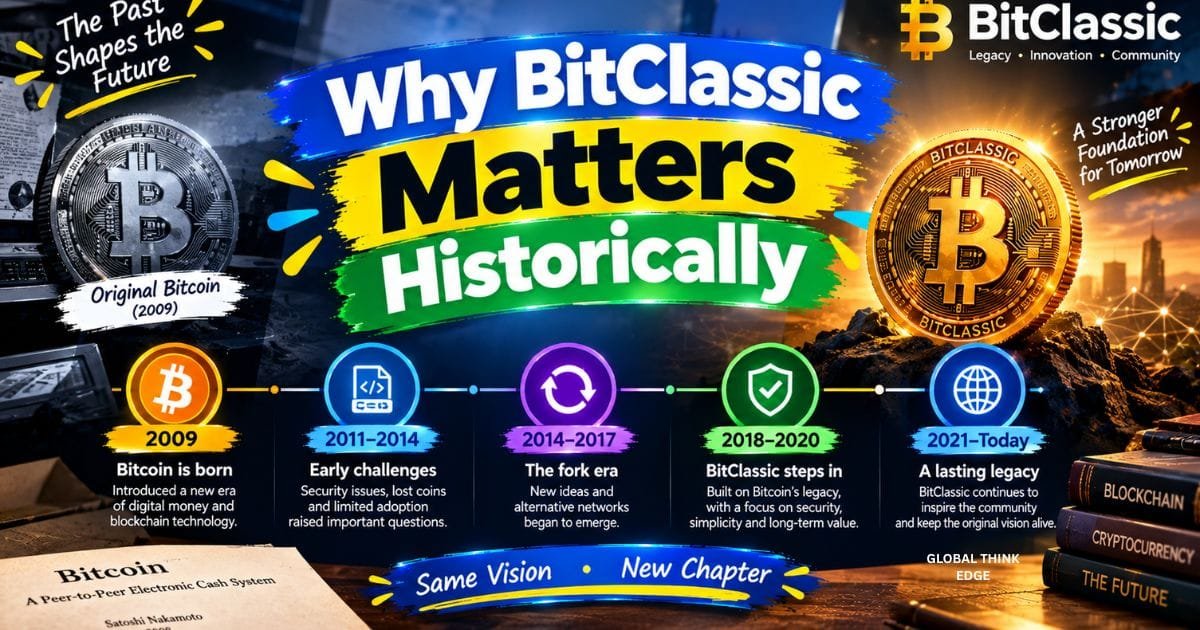
Why BitClassic Matters Historically
BitClassic provides an example of how quickly cryptocurrency projects from the late 2010s could disappear from active development.
The project’s history also demonstrates why cryptocurrency research requires more than reading an old project description. A blockchain can have an ambitious roadmap, a recognizable name, and historical listings while eventually becoming inactive.
For researchers, BitClassic can therefore be useful when studying the early cryptocurrency market, Bitcoin forks, abandoned blockchain projects, and the lifecycle of digital-asset initiatives.
Frequently Asked Questions
Is BitClassic still available?
BitClassic is considered an abandoned project rather than an active cryptocurrency network. Its original B2C token does not have an established active market.
What was BitClassic?
BitClassic was a Bitcoin-related cryptocurrency project promoted around 2018 as the “Second Generation of Bitcoin.”
What was the BitClassic token?
The cryptocurrency associated with the project was identified by the ticker B2C.
Is BitClassic safe to buy today?
There is no established active BitClassic market that supports treating B2C as a current mainstream cryptocurrency. Any modern website or token using the name should be independently verified before financial interaction.
Does bitclassic.org still belong to the original team?
No. Historical domain information indicates that the original domain has changed ownership and is no longer controlled by the original BitClassic team.
Can old BitClassic information be trusted?
Old information can be useful for understanding the project’s history, but it should not be interpreted as evidence that BitClassic remains operational today.
Final Takeaway
Unveiling Blockchain Bitclassic reveals a historical cryptocurrency project rather than a functioning modern blockchain. BitClassic was promoted around 2018 as a “second generation of Bitcoin,” but the project has since been abandoned, and its B2C token is not established as actively tradable.
The most important point is to distinguish the original BitClassic project from any current website, token, or service using the same name. The original domain has changed ownership, so modern claims should be independently verified rather than assumed to come from the original developers.
For researchers, BitClassic remains useful as a case study of an abandoned Bitcoin-related cryptocurrency and the importance of verifying blockchain activity, project ownership, and current status before trusting old or newly appearing information.

Pingback: Blockchain Klinger Bitclassic: History and Current Status