EMC Activator Explained: Uses, Risks & Official Alternatives
What Is EMC Activator?
If you’ve searched for EMC Activator, you’ve likely encountered references to a software tool that claims to help activate certain applications or devices. However, the term is used inconsistently across websites, which often leads to confusion about its actual purpose and legitimacy.
In general, EMC Activator is discussed as a third-party activation utility rather than an official product from a recognized software vendor. Because information online varies widely, it’s important to understand how software activation works, the potential risks associated with unofficial tools, and the safer alternatives available. This guide explains the topic from an educational perspective so you can make informed decisions.
EMC Activator generally refers to a third-party activation utility discussed online for software or device activation. It is not widely recognized as an official licensing solution. Understanding its purpose, security implications, and legal considerations helps users choose legitimate activation methods while protecting their systems and data.
Why the Term “EMC Activator” Causes Confusion
One of the biggest challenges when researching EMC Activator is that different websites describe it differently. Some associate it with software activation, while others connect it to mobile devices or enterprise environments. This inconsistency makes it difficult for users to determine what the tool actually does.
Instead of relying on isolated claims, it’s better to evaluate the concept based on established software licensing practices and trusted sources.
Common reasons for the confusion include:
Multiple websites using the same name for different tools
Lack of official documentation
Outdated information being republished
Unverified claims about supported devices or software
Mixing unrelated technologies under one product name
Understanding these differences helps users avoid misinformation and make more informed technology decisions.
Understanding Software Activation
Software activation is a verification process used by developers to confirm that a product has been legally licensed. This process protects intellectual property while ensuring users receive authentic updates, technical support, and security improvements.
Modern activation systems commonly verify the following:
Product licenses
Hardware identifiers
User accounts
Subscription status
Digital certificates
Legitimate activation benefits both software publishers and end users by maintaining software integrity and reducing unauthorised distribution.
Where EMC Activator Is Commonly Mentioned
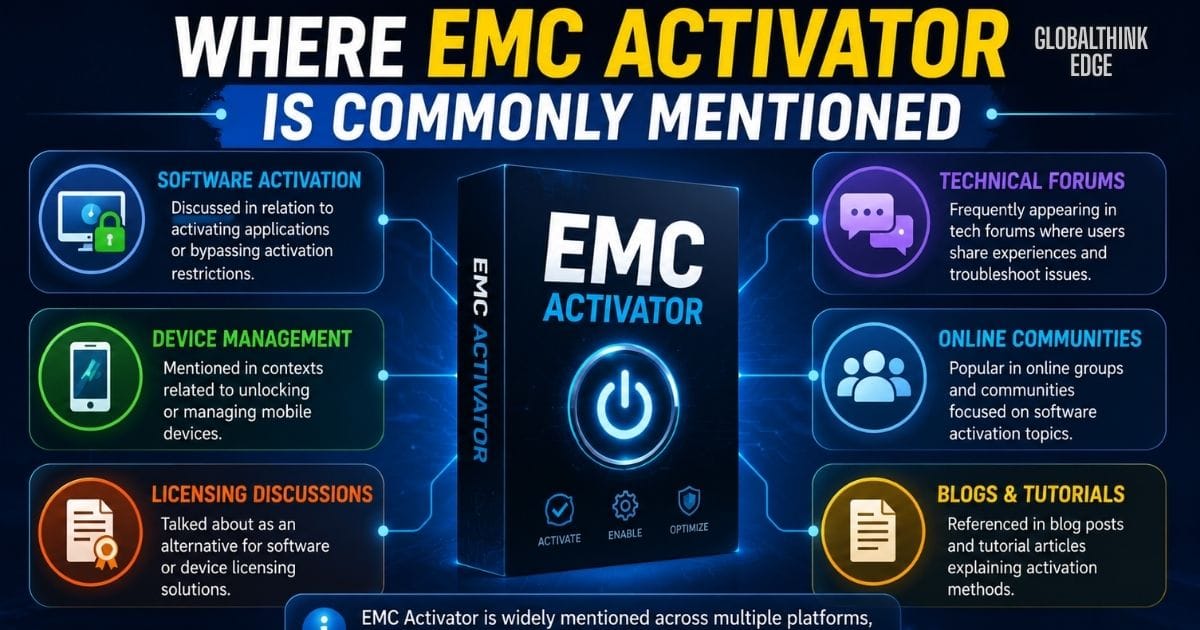
Although there is no universally recognized official definition, EMC Activator frequently appears in discussions involving:
| Topic | General Context |
| Software activation | Third-party activation utilities |
| Device management | Activation-related discussions |
| Licensing | Alternative activation claims |
| Technical forums | User experiences and troubleshooting |
| Online communities | General informational discussions |
This broad usage contributes to the ambiguity surrounding the term.
How Legitimate Software Activation Works
Understanding the standard activation process makes it easier to evaluate any activation-related tool.
Licence Verification
Most commercial software verifies a unique licence key or digital entitlement before enabling full functionality.
Online Authentication
Many applications communicate securely with the vendor’s licensing servers to validate purchases.
Device Registration
Some products associate licenses with a specific computer or hardware profile.
Subscription Validation
Cloud-based software often checks whether an active subscription exists before granting access.
These methods are designed to protect both software vendors and customers.
Why Users Search for EMC Activator
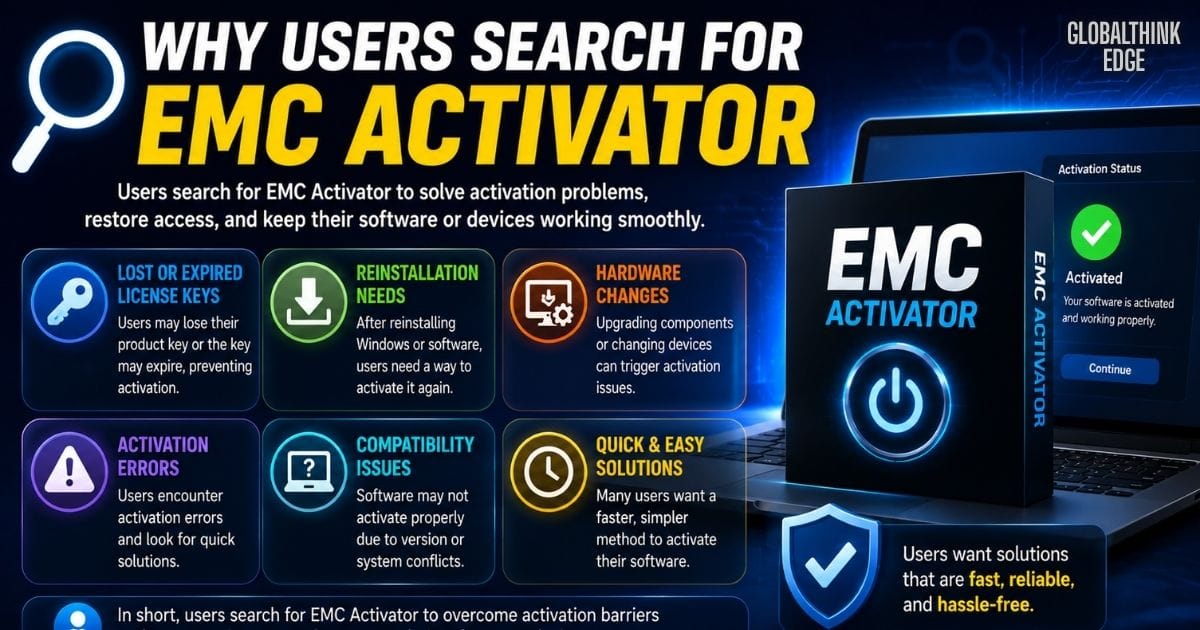
Search interest in EMC Activator generally comes from users facing activation-related challenges rather than those seeking new software.
Common motivations include:
Lost activation credentials
Reinstalling software
Hardware upgrades
Licence transfer questions
Activation errors
Compatibility concerns
In many cases, official support channels provide safer and more reliable solutions than third-party utilities.
Potential Benefits Users Expect
People searching for activation utilities often hope to achieve several practical outcomes.
Faster Activation
Users may expect a quicker activation process without navigating multiple licensing steps.
Simplified User Experience
Some believe third-party tools offer a more straightforward workflow.
Reduced Technical Complexity
Activation utilities are sometimes promoted as requiring minimal technical knowledge.
Troubleshooting Assistance
Certain users look for solutions to persistent activation issues after reinstalling software.
However, expectations should always be balanced against security, reliability, and compliance considerations.
Security Risks Associated with Unofficial Activation Tools
One of the most important aspects often overlooked is cybersecurity.
Because unofficial activation tools are frequently distributed outside trusted software ecosystems, they may introduce unnecessary risks.
Potential concerns include:
Malware infections
Spyware installation
Credential theft
Data loss
System instability
Unauthorized network activity
Hidden background processes
Downloading software from unknown sources significantly increases these risks.
Why Security Matters More Than Convenience
A working activation utility may appear helpful initially, but compromised software can expose sensitive information, including:
Personal files
Saved passwords
Browser data
Business documents
Banking information
For both individuals and organisations, maintaining system security should always take priority over convenience.
Legal and Ethical Considerations
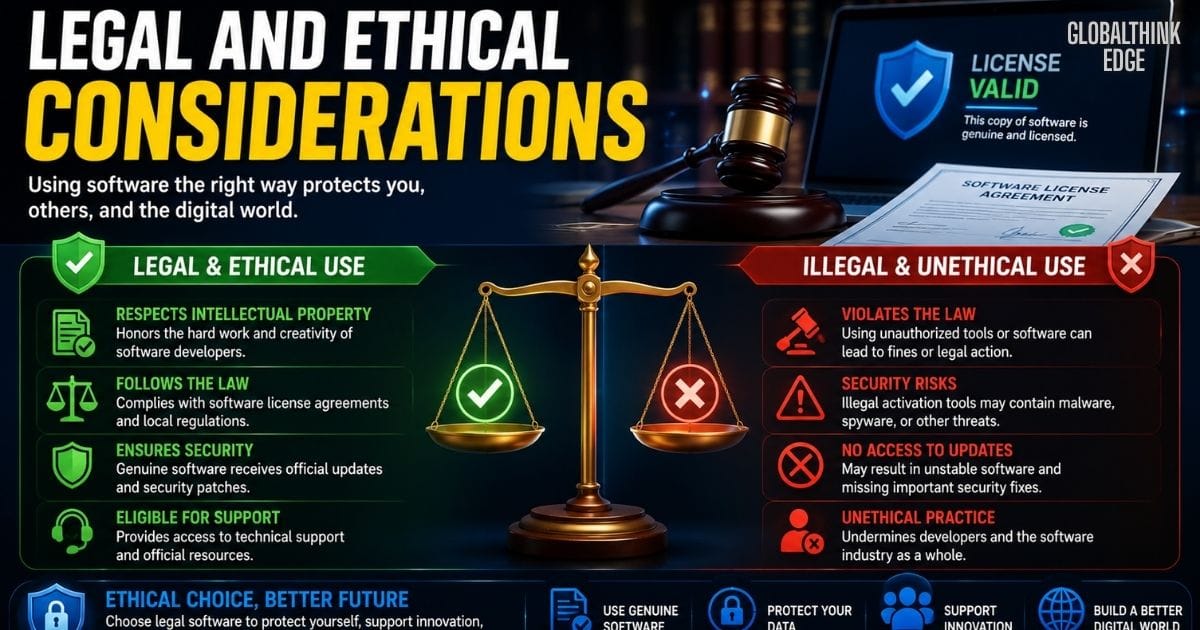
Software licensing agreements define how products may be installed, activated, and used.
Using unofficial activation methods may:
Violate licence agreements
Void technical support eligibility
Prevent access to official updates
Create compliance issues for organisations.
Businesses, educational institutions, and government agencies often implement strict software asset management policies to ensure legal compliance and maintain cybersecurity standards.
EMC Activity vs. EMC Activator
Some users also search for EMC activity, assuming it refers to the same concept. In reality, the two terms may represent entirely different topics depending on the context.
| EMC Activity | EMC Activator |
| General discussions about EMC-related operations or workflows | Commonly used to describe a third-party activation utility |
| Context varies across industries | Usually associated with software activation discussions |
| May relate to enterprise systems | Typically referenced by individual users searching for activation solutions |
| Broader meaning | More specific usage |
Understanding the distinction helps avoid confusion when researching technical documentation or community discussions.
Can EMC Active Directory Be Related?
Another related search term is EMC Active Directory.
In enterprise IT environments, Microsoft Active Directory is commonly used to manage user authentication, permissions, and centralised identity management. While enterprise software may integrate with Active Directory for authentication, this should not be confused with third-party activation utilities discussed under the name EMC Activator.
Separating these concepts improves topical understanding and prevents misinterpretation of technical resources.
Best Practices When Dealing with Software Activation
Whether you’re troubleshooting activation issues or evaluating an unfamiliar tool, following recognized best practices helps protect your device, data, and software investments.
Verify the Software Source
Always obtain software from the official developer or an authorised distributor. Trusted sources reduce the likelihood of downloading modified or malicious files.
Keep Licence Information Secure
Store product keys, purchase receipts, and account credentials in a secure location. This makes future reinstallations and hardware upgrades much easier.
Stay Updated
Install official updates regularly. Security patches and bug fixes often improve activation reliability while protecting your system from newly discovered vulnerabilities.
Back Up Important Data
Before making major software or system changes, create a backup of your important files. This precaution minimizes the impact of unexpected activation or installation problems.
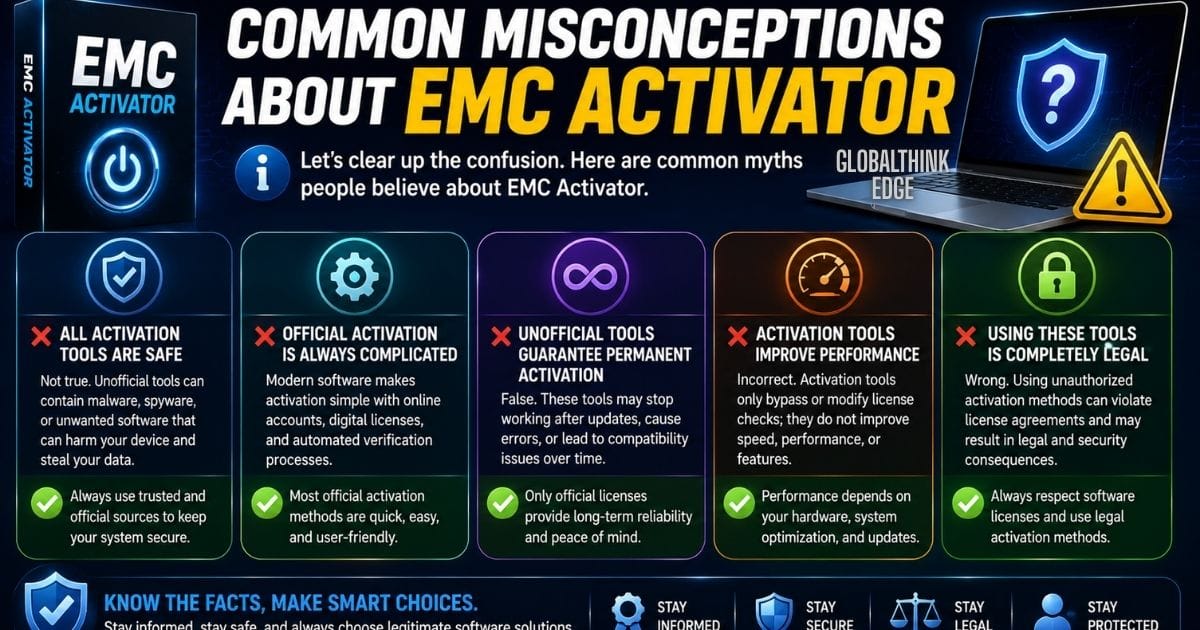
Common Misconceptions About EMC Activator
Because information online varies widely, several misconceptions continue to circulate.
“All Activation Tools Are Safe”
Not necessarily. Safety depends on the source, authenticity, and transparency of the software. Unknown utilities can expose users to malware or unwanted modifications.
“Official Activation Is Always Complicated”
Most modern software developers have streamlined activation through online accounts, digital licenses, and automated verification, making the process much simpler than in the past.
“Unofficial Tools Guarantee Permanent Activation”
Claims of permanent activation should be treated with caution. Licensing technologies evolve over time, and unsupported methods may stop working or create compatibility issues.
“Activation Utilities Improve Software Performance”
Activation tools are intended to address licensing-related tasks. They do not improve system speed, hardware performance, or application features.
EMC Activator vs. Official Software Activation
Understanding the differences between unofficial utilities and legitimate licensing methods can help users make informed decisions.
| Feature | EMC Activator (General Discussion) | Official Software Activation |
| Source | Third-party references | Software publisher or authorized vendor |
| Reliability | Varies and may be unverified | High and officially supported |
| Security | Depends on the download source | Regular security updates and validation |
| Technical Support | Usually unavailable | Official customer support |
| Software Updates | May be limited or unsupported | Full access to updates and new features |
| Legal Compliance | May not meet licensing requirements | Fully aligned with licence agreements |
For long-term reliability, official activation remains the recommended approach.
How Organizations Manage Software Licensing
Businesses typically use centralised software asset management practices rather than individual activation utilities.
Common enterprise approaches include:
Centralised licence management
Volume licensing programs
Digital entitlement systems
Identity-based authentication
Cloud subscription management
Regular compliance audits
These strategies simplify software administration while reducing operational and security risks.
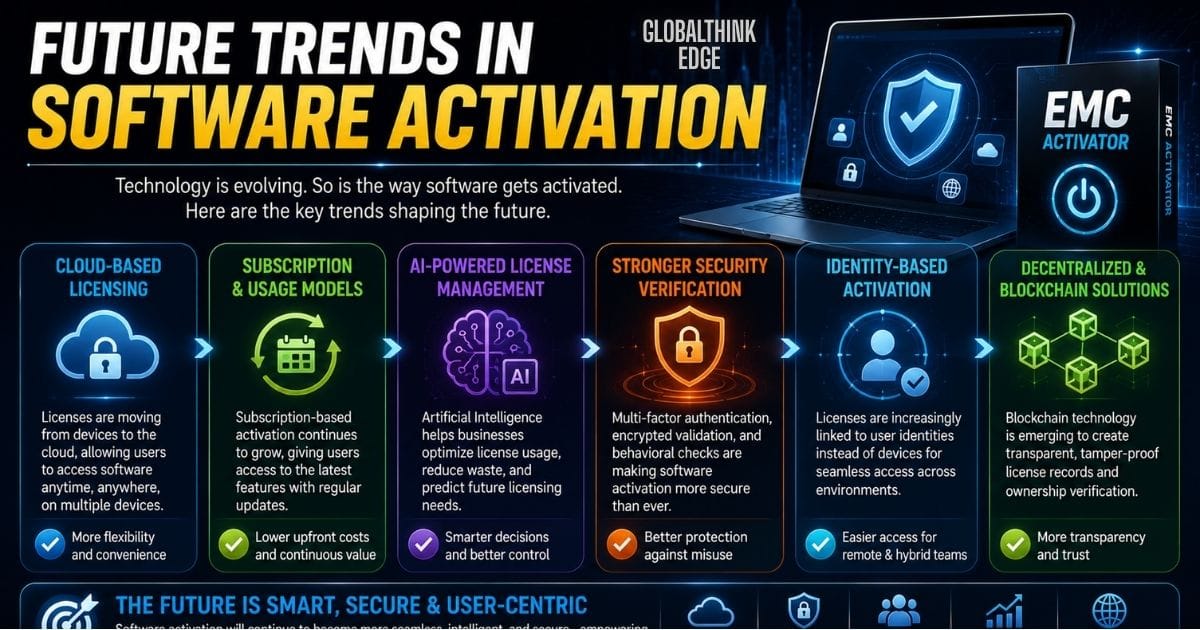
Future Trends in Software Activation
Software licensing continues to evolve as cloud computing and cybersecurity become increasingly important.
Emerging trends include:
Cloud-Based Licensing
Many vendors now connect licenses directly to user accounts instead of physical devices, making activation more flexible across multiple systems.
AI-Assisted License Management
Artificial intelligence is helping organizations detect unused licences, identify compliance issues, and optimize software spending.
Stronger Security Verification
Modern activation systems increasingly rely on encrypted communications, digital certificates, and multi-factor authentication to prevent unauthorised access.
Subscription-Centric Models
Rather than purchasing permanent licences, many organizations now adopt subscription services that include automatic updates and continuous support.
These developments aim to improve both user experience and software security.
Expert Insights
Technology professionals generally recommend approaching activation-related tools with caution.
Some practical recommendations include:
Research software before downloading it.
Verify publisher credibility.
Read official documentation whenever available.
Maintain updated antivirus protection.
Avoid tools that make unrealistic claims.
Keep operating systems and applications fully updated.
Contact official support when legitimate activation problems occur.
A proactive approach helps reduce security risks while ensuring reliable software performance.
Frequently Asked Questions
Is EMC Activator an official software product?
The term is commonly associated with third-party activation utilities rather than a widely recognized official software product. Its meaning may vary depending on the website or discussion.
Is EMC Activator safe to use?
Safety depends on the software source. Downloading activation-related utilities from unverified websites can expose systems to malware, spyware, or other security risks.
Why do people search for EMC Activator?
Users often search for it when facing software activation issues, reinstalling applications, or looking for information about licensing-related tools.
Can EMC Activator replace official software licensing?
Official licensing remains the recommended method because it provides legal compliance, security updates, technical support, and verified software authenticity.
What is the difference between EMC Activator and EMC activity?
‘EMC activator’ generally refers to discussions around activation utilities, whereas ‘EMC activity’ is a broader phrase that can describe operations, processes, or workflows in different technical contexts.
Is EMC Active Directory the same as EMC Activator?
No. Active Directory is Microsoft’s identity and access management service used in enterprise environments. It is unrelated to activation utilities, although some enterprise software integrates with it for authentication.
What should I do if my software won’t activate?
Start by checking your internet connection, verifying your licence or subscription, ensuring the software is up to date, and contacting the official software publisher if the problem persists.
How can I avoid activation-related security risks?
Use official download sources, keep your system updated, maintain security software, and verify software authenticity before installation.
Conclusion
‘EMC Activator‘ is a term that appears across many online discussions, but its meaning is often inconsistent and lacks standardised documentation. Understanding how legitimate software activation works helps users distinguish between official licensing solutions and unofficial activation-related tools.
When evaluating any activation utility, prioritize security, authenticity, and legal compliance. Using trusted software sources, maintaining valid licences, and following recognized best practices not only protects your devices but also ensures reliable access to updates, technical support, and long-term software stability.
