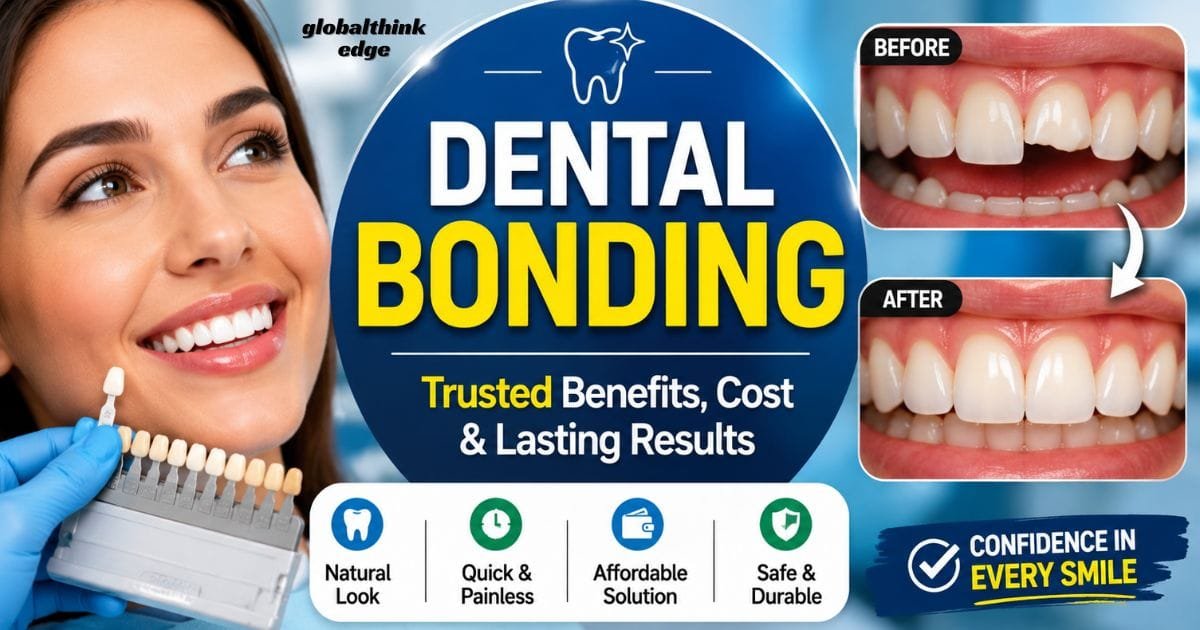
Dental Bonding: Trusted Benefits, Cost & Lasting Results
What Is Dental Bonding?
Dental bonding is a minimally invasive cosmetic dental procedure that uses a tooth-coloured composite resin to repair minor imperfections and improve the appearance of natural teeth. Dentists commonly recommend it to fix chipped, cracked, discoloured, uneven, or slightly gapped teeth while preserving most of the healthy enamel. The treatment is typically completed in a single visit, making it one of the quickest and most affordable ways to enhance a smile.
Unlike crowns or veneers, dental bonding usually requires little to no removal of natural tooth structure. Because of this conservative approach, it remains a popular choice for people who want noticeable cosmetic improvements without extensive dental work.
Modern composite materials closely match the colour and texture of natural enamel, allowing bonded teeth to blend seamlessly with surrounding teeth. When performed by an experienced dentist, the results look natural and can significantly improve both smile aesthetics and self-confidence.
Why Do Dentists Recommend Dental Bonding?
Dental bonding is suitable for both cosmetic improvements and minor restorative treatments. During your consultation, your dentist will examine your teeth, gums, and bite before deciding whether bonding is the most appropriate option.
Some of the most common reasons include:
Repairing Chipped or Cracked Teeth
Small chips and surface cracks not only affect appearance but may also weaken a tooth over time. Composite bonding restores the damaged area while maintaining the tooth’s natural shape.
Closing Small Gaps Between Teeth
Tiny spaces between teeth can often be corrected without orthodontic treatment. Bonding provides a simple cosmetic solution that improves smile symmetry.
Improving Tooth Shape
Some teeth naturally appear shorter, uneven, or slightly misshapen. Composite resin allows dentists to reshape these teeth for a more balanced smile.
Covering Deep Tooth Stains
Certain stains caused by trauma, medications, or enamel defects do not respond well to whitening treatments. Bonding can effectively conceal these imperfections.
Protecting Exposed Tooth Roots
When gums recede, tooth roots become exposed and sensitive. Bonding creates a protective layer that helps reduce discomfort while improving appearance.
Restoring Minor Tooth Wear
Teeth affected by mild grinding or natural wear can often be rebuilt using bonding before more extensive treatment becomes necessary.
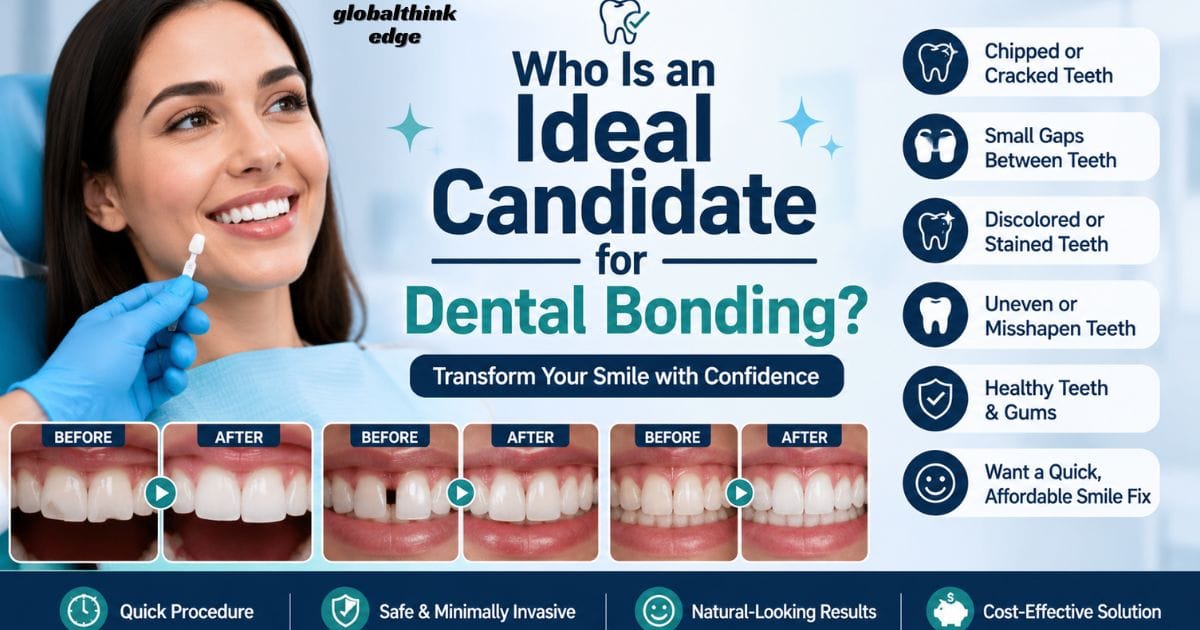
Who Is an Ideal Candidate for Dental Bonding?
Dental bonding works best for patients with healthy teeth and gums who want to correct relatively small cosmetic concerns.
You may be a suitable candidate if you:
Have chipped or cracked teeth.
Want to improve tooth shape.
Need to close small gaps.
Have stubborn tooth discolouration.
Want a minimally invasive cosmetic procedure.
Prefer an affordable smile enhancement.
However, bonding may not be the best choice for people with severe tooth fractures, untreated decay, advanced gum disease, or heavy teeth grinding. In these cases, your dentist may recommend crowns, veneers, orthodontic treatment, or other restorative procedures.
How the Dental Bonding Procedure Works
One reason many patients choose dental bonding is its straightforward treatment process. Most procedures take between 30 and 60 minutes per tooth and require little or no downtime.
Initial Dental Examination
Every treatment begins with a comprehensive examination.
Your dentist will:
Evaluate your oral health.
Discuss your cosmetic concerns.
Check your bite.
Assess tooth colour.
Decide whether bonding is the right treatment.
If gum disease or tooth decay is present, these problems are usually treated before cosmetic bonding begins.
Selecting the Correct Tooth Shade
Choosing the right shade is essential for natural-looking results.
Using a professional shade guide, the dentist carefully matches the composite resin to your surrounding teeth. This ensures the restoration blends naturally rather than appearing brighter or darker than adjacent teeth.
If you are planning professional teeth whitening, dentists usually recommend whitening first and matching the bonding material afterwards.
Preparing the Tooth
Unlike veneers, bonding requires very little preparation.
In many cases:
No drilling is necessary.
Very little enamel is removed.
Local anaesthetic is not required.
The dentist lightly roughens the tooth surface before applying a conditioning liquid. This helps the composite resin bond securely to the enamel.
Applying and Sculpting the Composite Resin
The dentist places the soft composite resin onto the prepared tooth in thin layers.
Each layer is carefully sculpted to:
Restore natural contours.
Repair damaged areas.
Improve symmetry.
Match neighbouring teeth.
Create realistic surface texture.
This artistic stage plays a major role in achieving natural cosmetic results.
Curing and Polishing
A specialised curing light hardens each layer of composite resin within seconds.
Once fully hardened, the dentist
Shapes the restoration.
Adjusts your bite.
Smooths rough areas.
Polishes the surface until it closely resembles natural enamel.
The final result should feel comfortable and blend naturally into your smile.
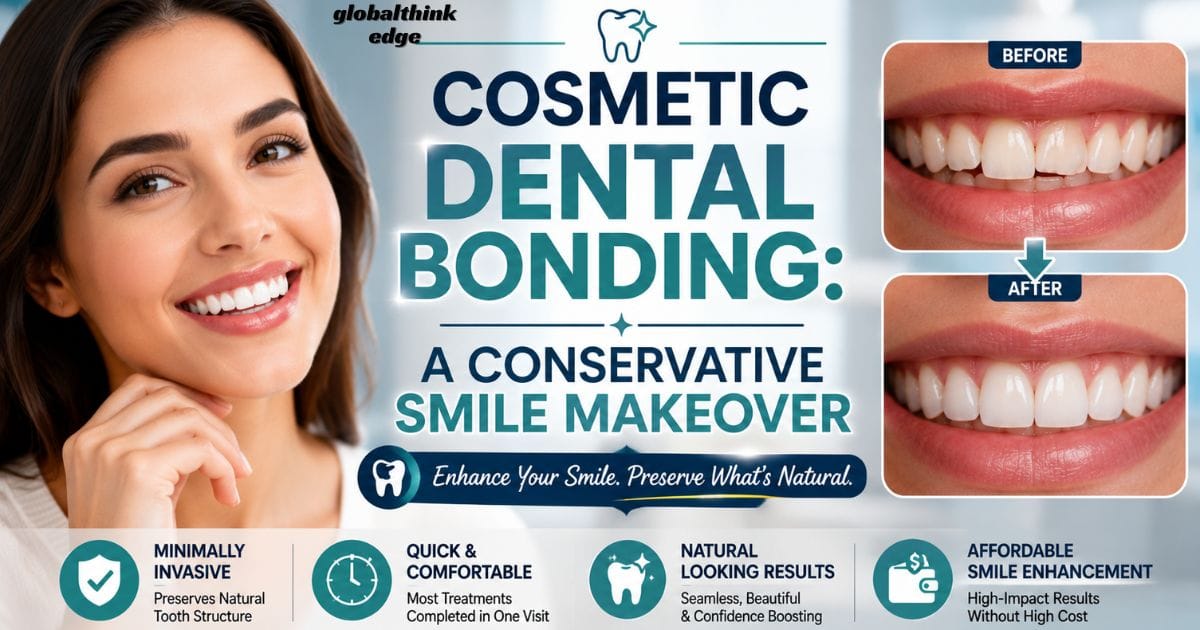
Cosmetic Dental Bonding: A Conservative Smile Makeover
Cosmetic dental bonding has become increasingly popular because it improves smiles without extensive dental treatment.
Dentists commonly use it to:
Repair chipped front teeth.
Correct uneven edges.
Improve mild crowding visually.
Close small gaps.
Lengthen short teeth.
Improve tooth proportions.
Mask enamel defects.
Unlike porcelain veneers, bonding preserves significantly more natural tooth structure. This makes it an excellent option for patients seeking subtle but meaningful cosmetic improvements.
Dental Bonding Before and After: What Results Should You Expect?
One of the biggest advantages of dental bonding is that results are visible immediately after treatment.
Patients commonly notice:
More symmetrical teeth.
Better smile balance.
Improved tooth colour.
Restored chipped edges.
Smoother tooth surfaces.
A younger-looking smile.
However, realistic expectations are essential.
Dental bonding is designed to correct minor cosmetic concerns. It cannot replace orthodontic treatment for severe alignment issues or crowns for teeth with extensive structural damage.
An experienced cosmetic dentist will explain the expected outcome before treatment begins so you understand both the benefits and limitations.
Key Benefits of Dental Bonding
Dental bonding offers several advantages compared with more invasive cosmetic procedures.
Preserves Natural Tooth Structure
Minimal enamel removal helps maintain the long-term health of your natural teeth.
Fast Treatment
Many patients complete treatment during a single dental appointment.
Cost-Effective Cosmetic Solution
Compared with veneers and crowns, bonding is generally one of the more affordable cosmetic dental treatments.
Comfortable Procedure
Most patients do not require injections or anaesthesia because very little tooth preparation is involved.
Natural Appearance
Modern composite resin reflects light similarly to natural enamel, helping bonded teeth blend seamlessly into your smile.
Easy Future Repairs
If small chips develop later, dentists can often repair bonding without replacing the entire restoration.
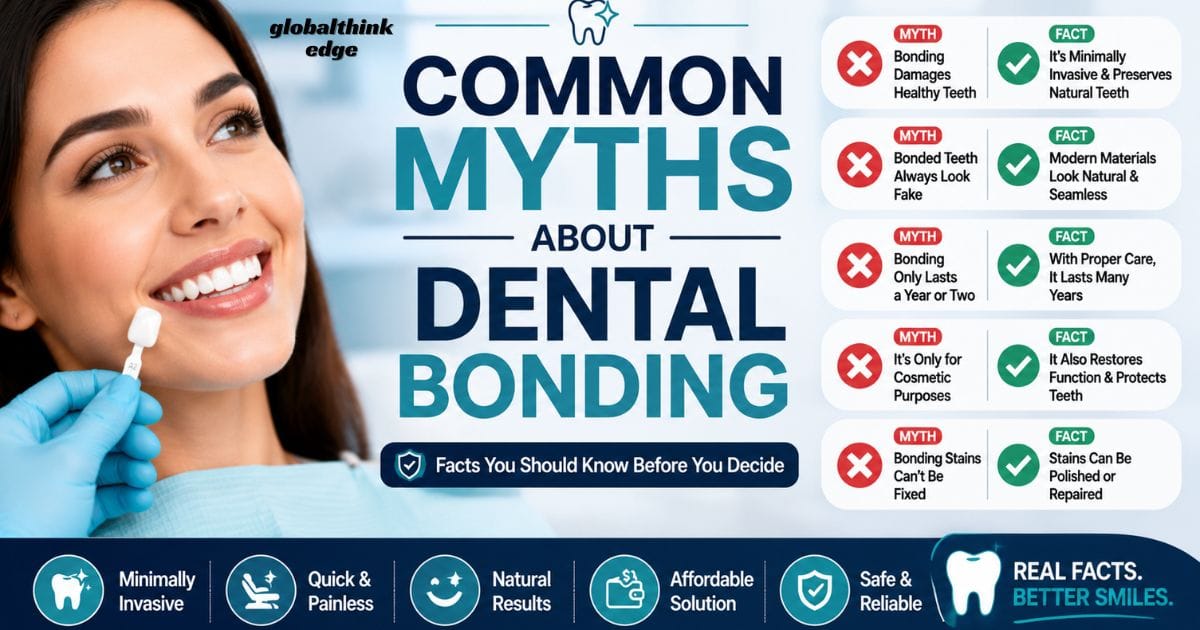
Common Myths About Dental Bonding
Several misconceptions discourage people from considering this treatment.
Myth: Bonding damages healthy teeth.
Fact: In most cases, very little or no enamel is removed.
Myth: Bonded teeth always look fake.
Fact: Modern composite materials closely mimic natural enamel when colour-matched correctly.
Myth: Bonding is only for cosmetic purposes.
Fact: It is also used to restore function, protect exposed roots, and repair minor tooth damage.
Myth: Bonding lasts only a year or two.
Fact: With proper care, many bonded teeth remain in good condition for several years.
Key Takeaways
Dental bonding is a minimally invasive cosmetic and restorative treatment.
Most procedures are completed in a single visit.
Composite resin closely matches natural tooth colour.
Bonding can repair chips, cracks, gaps, and discolouration.
It preserves healthy enamel and usually requires little recovery time.
Choosing an experienced dentist is one of the most important factors in achieving natural, long-lasting results.
How Long Does Dental Bonding Last?
One of the most frequently asked questions is how long dental bonding will remain in good condition. While the exact lifespan varies from person to person, most bonded teeth last between 3 and 10 years before requiring repair or replacement.
The longevity of dental bonding depends on several factors, including:
Your oral hygiene routine
The location of the bonded tooth
Daily eating habits
Smoking or tobacco use
Teeth grinding (bruxism)
Nail biting or chewing hard objects
Regular dental check-ups
Bonding on front teeth often lasts longer because these teeth experience less chewing pressure than molars. Following your dentist’s aftercare advice can significantly extend the lifespan of the restoration.
Signs Your Dental Bonding May Need Attention
Although composite resin is durable, it can wear over time. Contact your dentist if you notice:
A chipped or cracked bonded tooth
Rough or uneven edges
Staining that no longer polishes away
A loose restoration
Tooth sensitivity
Changes in your bite
Early repairs are usually quicker, simpler, and less expensive than replacing an entire restoration.
Is Dental Bonding Good for Teeth?
Yes. Dental bonding is widely regarded as a safe and conservative treatment when performed by a qualified dentist.
One of its biggest advantages is that it preserves natural tooth structure. Unlike veneers, which often require some enamel removal, bonding typically involves little or no alteration to the healthy tooth.
However, dental bonding is not suitable for every situation. Patients with severe tooth damage, extensive decay, large fractures, or heavy bite pressure may achieve better long-term results with crowns or other restorative treatments.
A professional dental examination remains the best way to determine the right option for your specific needs.
Dental Bonding Cost: What Influences the Price?
The dental bonding cost can vary considerably because every patient’s treatment plan is different.
Several factors affect the overall price, including:
Number of teeth being treated
Size of the repair
Complexity of the procedure
Tooth location
Dentist’s expertise
Geographic location
Additional treatments required before bonding
If bonding is performed to repair accidental tooth damage or restore function, some dental insurance plans may contribute towards the cost. Cosmetic procedures performed solely to improve appearance are less likely to receive insurance coverage.
Instead of choosing treatment based only on price, consider the dentist’s experience, the quality of materials used, and the expected longevity of the restoration.
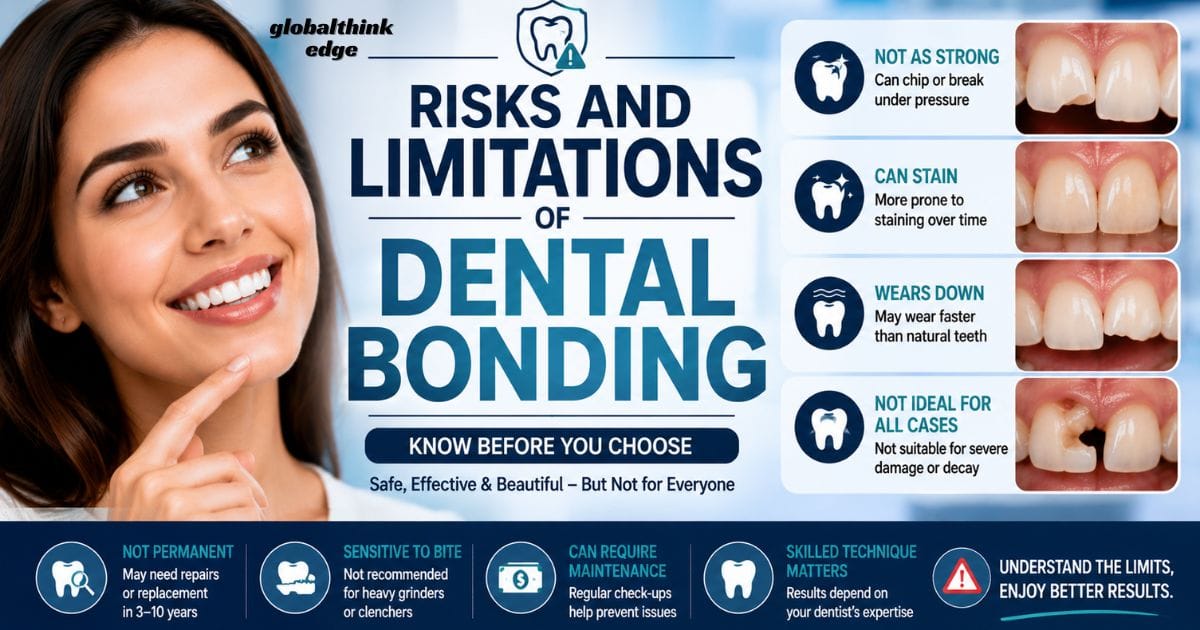
Risks and Limitations of Dental Bonding
Although dental bonding has an excellent safety record, understanding its limitations helps you make an informed decision.
Possible disadvantages include:
Composite resin is less durable than porcelain.
Bonded teeth may stain over time.
The material can chip if excessive force is applied.
Large restorations may require replacement sooner.
Heavy teeth grinders may experience faster wear.
These limitations do not make bonding a poor treatment. They simply highlight the importance of choosing the right procedure for the right clinical situation.
Dental Bonding vs Veneers vs Crowns
Choosing between bonding, veneers, and crowns depends on your cosmetic goals, budget, and the condition of your teeth.
| Feature | Dental Bonding | Veneers | Dental Crowns |
| Tooth Preparation | Minimal | Moderate | Significant |
| Appearance | Very Natural | Excellent | Excellent |
| Durability | Good | Very Good | Excellent |
| Treatment Time | Usually One Visit | Two Visits | Two or More Visits |
| Cost | Lower | Higher | Higher |
| Best For | Minor Cosmetic Repairs | Smile Makeovers | Severely Damaged Teeth |
Dental bonding is often ideal for small cosmetic improvements; veneers suit patients seeking a dramatic smile transformation, while crowns provide strength and protection for heavily damaged teeth.
Caring for Bonded Teeth
Good oral hygiene is essential for maintaining both your bonded teeth and your natural smile.
Follow these recommendations:
Brush twice daily using fluoride toothpaste.
Floss every day.
Limit coffee, tea, red wine, and tobacco.
Avoid biting hard objects such as ice or pens.
Wear a mouthguard during contact sports.
Use a night guard if you grind your teeth.
Visit your dentist for regular cleanings and examinations.
Simple daily habits can help your dental bonding remain attractive for many years.
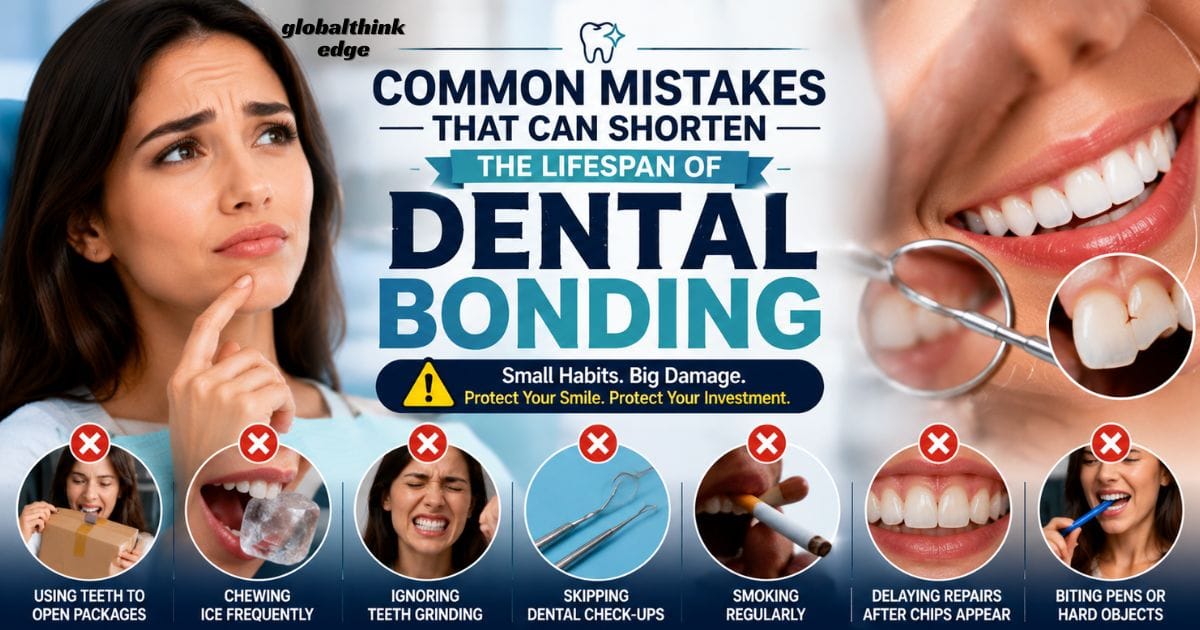
Common Mistakes That Can Shorten the Lifespan of Dental Bonding
Many bonding failures are linked to everyday habits rather than the material itself.
Avoid these common mistakes:
Using teeth to open packages
Chewing ice frequently
Ignoring teeth grinding
Skipping routine dental visits
Smoking regularly
Delaying repairs after small chips appear
Making a few lifestyle adjustments can greatly improve the longevity of your restoration.
Latest Advances in Composite Dental Bonding
Modern composite resins have improved significantly over the past decade.
Many dental practices now use advanced nano-hybrid and nano-filled composite materials that offer:
Better colour stability
Improved polish retention
Greater resistance to wear
Enhanced strength
More natural light reflection
These developments allow today’s dental bonding treatments to achieve more lifelike results than older composite materials.
Recovery After Dental Bonding
Recovery is generally quick and uncomplicated.
Most patients return to work, school, or daily activities immediately after treatment.
For the first 24 to 48 hours, your dentist may recommend:
Avoiding foods and drinks that stain.
Not chewing hard foods on the treated tooth.
Maintaining gentle but thorough oral hygiene.
Some mild sensitivity may occur initially, but it usually resolves within a few days.
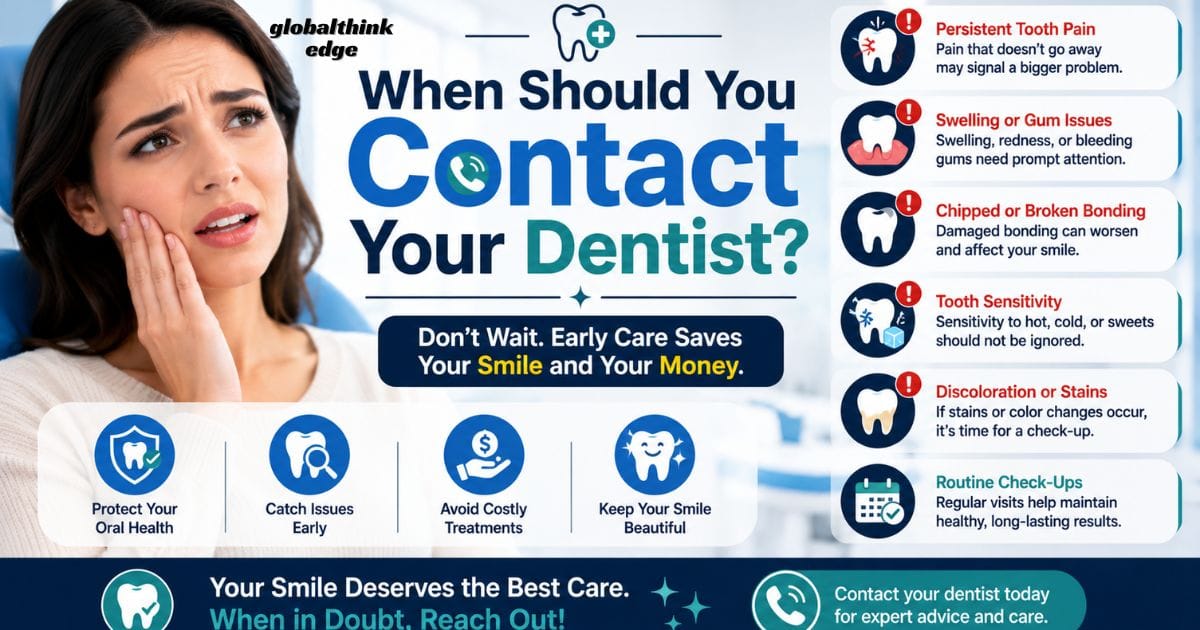
When Should You Contact Your Dentist?
Arrange a dental appointment if you experience:
Persistent pain
Swollen gums
A chipped restoration
Loose bonding
Difficulty chewing
Sudden sensitivity
Noticeable colour mismatch
Prompt treatment helps prevent minor problems from becoming larger restorations.
Key Points to Remember
Dental bonding is a fast, minimally invasive cosmetic treatment.
Most procedures are completed in a single appointment.
It effectively repairs chips, cracks, gaps, and discolouration.
Bonding preserves healthy enamel.
Good oral hygiene helps extend its lifespan.
Choosing an experienced dentist improves both appearance and durability.
Regular dental check-ups help identify minor issues before they require major repairs.
Final Thoughts
Dental bonding is one of the fastest and most affordable ways to restore a chipped, stained, uneven, or slightly gapped tooth while preserving your natural enamel. If you’re looking for a minimally invasive treatment with immediate cosmetic results, dental bonding offers an excellent balance of appearance, comfort, and value.
Although dental bonding is not as durable as veneers or crowns, proper oral hygiene, regular dental check-ups, and avoiding habits like teeth grinding or chewing hard objects can help your bonded teeth last for years. Choosing an experienced dentist is equally important for achieving natural-looking, long-lasting results.
If you’re considering dental bonding, schedule a professional dental consultation to determine whether dental bonding is the right solution for your smile goals and oral health. A personalised treatment plan will help you achieve the best possible outcome with confidence.
Frequently Asked Questions
Does dental bonding hurt?
Most patients experience little or no discomfort because the procedure usually requires minimal tooth preparation.
Can dental bonding stain?
Yes. Composite resin can stain over time, particularly with coffee, tea, tobacco, and red wine. Regular professional polishing helps maintain its appearance.
Can bonded teeth be whitened?
No. Bonding material does not respond to whitening treatments, so whitening is usually recommended before bonding if a lighter smile is desired.
Is dental bonding permanent?
No. Dental bonding is durable but not permanent. It may eventually require repair or replacement due to normal wear.
Can dental bonding be repaired?
Yes. One advantage of bonding is that small chips or worn areas can often be repaired without replacing the entire restoration.
Is cosmetic dental bonding reversible?
In many cases, yes. Since very little enamel is removed, the procedure is considered more conservative than veneers.
